Acrylic sheets can be supplied as simple rectangular panels, but many commercial projects need more than a sheet cut to length and width.
A retail display may require several bonded parts. A supermarket screen may need a service opening, stable supports and carefully positioned cut-outs. A machine cover may require slots, drilled holes and bends so it fits around existing equipment.
For customers comparing Acrylic Sheets Sydney suppliers, the first decision is therefore not only which sheet to purchase. It is whether the project needs basic cutting or a complete fabrication service.
Understanding that difference can make quotations easier to compare and reduce the risk of receiving a panel that still requires substantial work before it can be installed.
Understand the Difference Between Sheet Supply and Fabrication
A flat sheet may be all that is required when the project needs a simple rectangular sign face, frame insert, shelf liner or replacement transparent panel.
The customer normally provides the finished length, width, thickness and quantity. Straight cutting may then be used to produce the required dimensions.
Some panels may also need basic drilled holes or rounded corners. These additions do not always turn the project into a complex fabrication job, although they should still be shown accurately on the drawing.
Cut-to-size supply is often practical when the customer or installer will add the frame, brackets or other components separately.
It can also suit projects where all edges are hidden and no bending, bonding or premium polishing is required.
Before ordering, confirm whether the quoted dimensions are finished sizes and whether the proposed cutting tolerance suits the application.
When the project needs a finished component
Acrylic fabrication becomes more relevant when the sheet must be shaped, bent, bonded, polished or assembled before it can be used.
A display case, for example, may include a base, side panels, shelves and a removable cover. A brochure holder may require heated bends, while a counter screen can involve feet, openings and several connected panels.
Fabrication services may include laser cutting, CNC machining, drilling, routing, folding, heat bending, bonding and edge polishing. Different processes may be combined to produce one finished component.
Customers should describe the intended finished product rather than asking only for sheet pricing.
A supplier who understands the complete use may identify details that have not yet been included in the drawing, such as support, access, edge visibility or assembly requirements.
Define the Function Before Choosing the Material
The intended use should guide every later decision.
A sign panel needs suitable colour, visibility and fixing. A shelf needs enough rigidity for the expected load. A protective screen must remain stable while allowing people to communicate and exchange items safely.
A display cover may need high transparency and clean bonded corners. A machinery panel may place greater importance on accurate cut-outs, access holes and resistance to normal workplace handling.
Acrylic is widely used for signage, retail displays and architectural components because it can be cut, machined, moulded, heat bent and polished.
However, versatility does not mean every acrylic product suits every application.
The supplier should know what the part needs to support, how often it will be handled and whether it forms part of a safety-related installation.
Where structural or safety performance is involved, the design should be checked by an appropriately qualified person.
Consider the installation environment
Indoor displays may mainly need good appearance and easy cleaning, while outdoor signs and panels also need consideration of temperature, weather, sunlight and mounting.
Acrylic used near heat-producing equipment may require a different assessment from a panel installed in an air-conditioned retail store.
Cleaning is another practical issue. Customer-facing screens and displays may be wiped frequently, so the selected finish should suit the cleaning process. Abrasive materials or unsuitable chemicals can damage the surface.
Lighting should also be considered. Clear acrylic may show reflections under strong retail lighting, while frosted or anti-glare material can be useful where reduced reflection is important. Anti-glare acrylic commonly uses a matt surface to reduce reflections from lighting in display applications.
The project brief should therefore describe where the acrylic will be installed, not only what the finished component should look like.
Select the Acrylic Type and Thickness
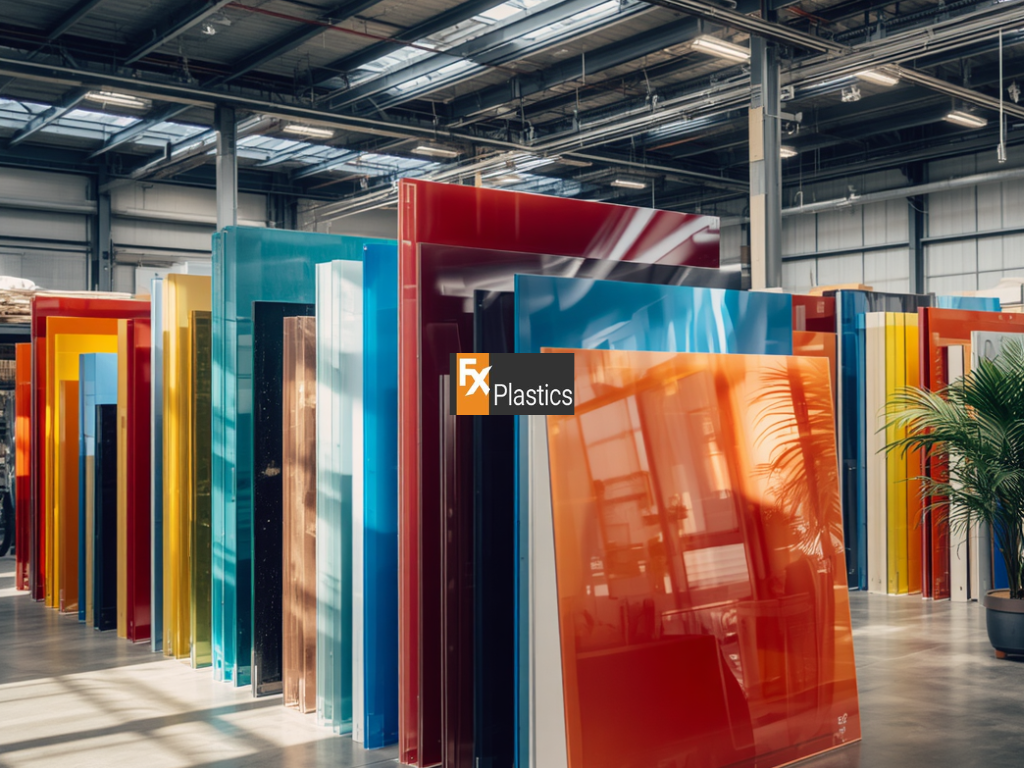
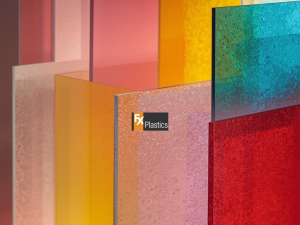
Compare clear, tinted, frosted and coloured sheets
Clear acrylic is commonly used for protective screens, sign covers, product displays and transparent fabricated components.
Tinted sheets can create a darker visual effect while still allowing some visibility. Frosted acrylic may suit privacy panels, decorative screens or illuminated features where light transmission is wanted without a fully clear view.
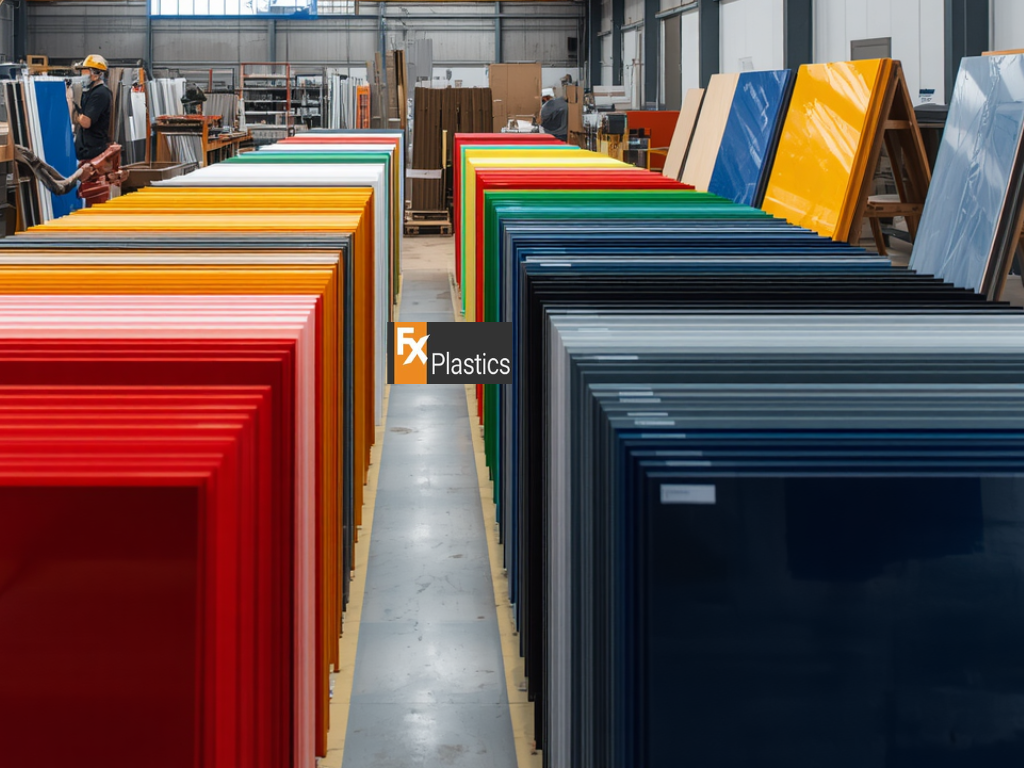
Solid-coloured acrylic is often used for signage, branding, point-of-sale displays and decorative components. Mirrored and patterned products can also support specialised display designs.
Australian acrylic ranges can include clear, solid, tinted, translucent and mirrored sheets. The available thicknesses and sheet sizes may differ between finishes and colours.
Physical samples are valuable because colours displayed online may vary between screens.
The customer should also clarify whether both faces need the same appearance. Some decorative sheets may have different finishes on the front and back.
Match thickness to size and mounting
Thickness affects rigidity, weight, edge appearance and the hardware needed to install the panel.
A small framed acrylic sign may work with a thinner sheet because the surrounding frame provides support. A wide freestanding screen may require greater thickness, additional supports or a different base design.
Horizontal components such as shelves can also need more rigidity than vertical panels because they must resist bending under load.
Acrylic is available in a broad range of thicknesses, although the exact range depends on the sheet type and colour. One Australian acrylic guide notes general availability from approximately 1.5 mm to 50 mm, with coloured options often available in a narrower range.
This range should not be treated as a sizing recommendation.
The final thickness should be selected according to dimensions, support, expected load, mounting and fabrication requirements.
Choose the Most Suitable Manufacturing Process
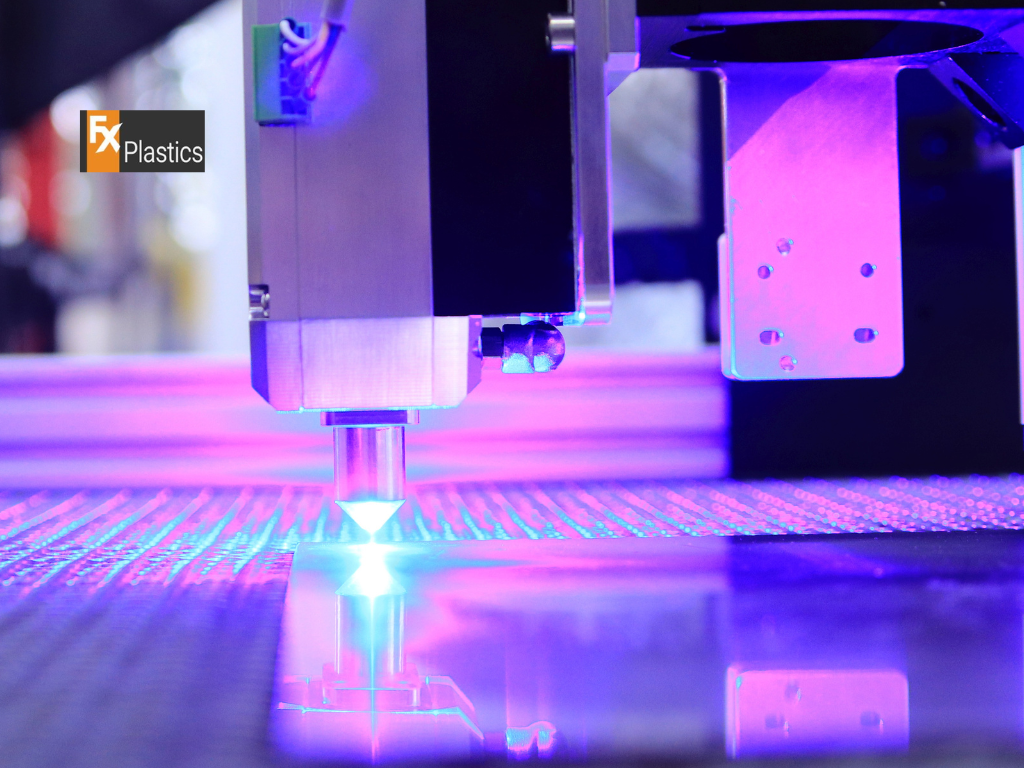
Laser cutting is often used for intricate profiles, lettering, circles and detailed shapes with tight internal curves. It can also leave an attractive edge on suitable acrylic.
This makes Acrylic Laser Cutting Sydney services useful for signs, branded displays, decorative parts and repeated components.
However, laser cutting is not automatically the best process for every project.
CNC machining or routing may suit thicker panels, larger sheets, slots, recessed details and components requiring controlled mechanical machining. CNC equipment can also process large-format plastic panels into defined dimensions and shapes.
Straight cutting may remain the most efficient choice for simple rectangular panels.
The proposed process should match the material, thickness, shape, tolerance and edge requirement. Customers should ask which method is being quoted and whether additional finishing is included.
Add bending, bonding and polishing where required
A fabricated acrylic product may pass through several processes after the main profile is cut.
Heat bending can create angled stands, brochure holders, counter guards and display components. Cold folding may also be available for particular narrow channels and designs.
Bonding joins separate acrylic panels to create boxes, covers and enclosures. The finished appearance depends on edge preparation, joint design and fabrication skill.
Polishing can improve visible edges. Options may include laser-finished, diamond-polished, sanded, buffed or flame-polished edges, depending on the material and project.
Not every edge requires a premium finish. Edges hidden inside frames or joints may only need an accurate machine finish.
The drawing should identify which edges will remain visible so polishing is applied only where it contributes to the final product.
Plan Screens and Displays Around Daily Use
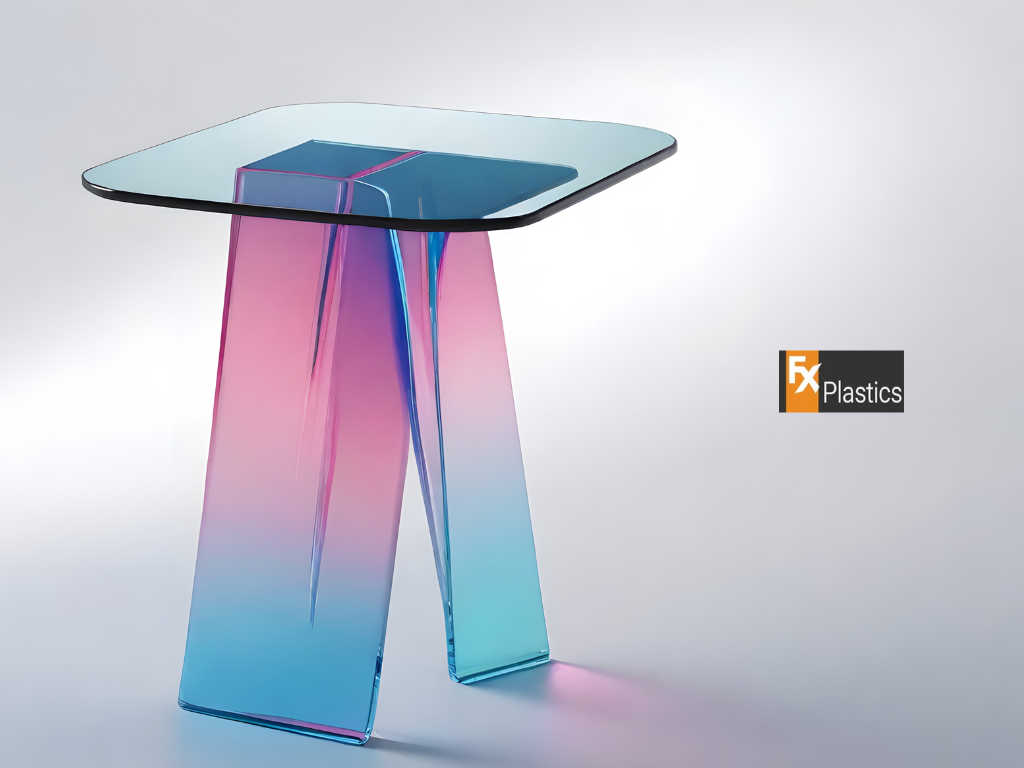
Design acrylic screens for safe interaction
Acrylic screens may be installed at supermarket checkouts, retail counters, pharmacies, reception areas and customer-service desks.
The screen should suit the actual counter rather than relying on one standard size for every location.
Acrylic screens for supermarkets may need openings for products, receipts or payment equipment. They should not block scanners, terminals, emergency access or the normal movement of staff.
Safe Work Australia advises that workplace screens should be fit for purpose, provide suitable protection, avoid affecting ventilation or comfort and allow workers to perform their tasks safely.
Stability and cleaning also need attention. A freestanding screen should resist normal contact, while fixed brackets should suit the counter and panel thickness.
Narrow spaces between the screen and surrounding surfaces can be difficult to clean, so access should be checked before fabrication.
Make displays easy to fill and maintain
Acrylic displays should be planned around the way products are loaded, removed and cleaned.
A cover that looks attractive may still be inconvenient if staff must lift a large, awkward panel every time the display is refilled.
Shelves need enough spacing for the products, while access openings should allow employees to reach the back without damaging the display.
Removable trays, doors or covers can improve daily use, although they may require additional hardware and fabrication.
The position of bonded joints also matters. Joints should not create avoidable dirt traps or interfere with the view of the product.
For food displays, the suitability of the material and design for the exact food-premises application should be confirmed.
Before approving the drawing, staff who will use the display should review the proposed access and cleaning process.
Compare Acrylic Suppliers and Quotations
The cost of an acrylic project can include material, cutting, drilling, machining, polishing, bending, bonding, assembly, packaging and delivery.
A low sheet price may not represent the final cost when substantial fabrication is still required.
A supplier offering solution design may also help refine the material and manufacturing method before production. Fabrication providers commonly combine laser cutting, CNC machining, polishing, folding and design support according to the project.
For businesses comparing Acrylic Sheets Western Sydney suppliers, local access may be useful for reviewing samples, checking prototypes or collecting completed parts.
However, location should not replace proper comparison of capability, materials and written scope.
The most suitable supplier should be able to explain how the proposed process matches the application rather than simply quoting the requested sheet.
Confirm the complete written specification
Every quotation should identify the acrylic type, colour, surface finish, thickness, dimensions and quantity.
It should also show all holes, cut-outs, curves, bends, joints and edge finishes.
Ask whether design work, production drawings, setup, assembly, protective packaging and delivery are included.
Tolerance requirements should be stated when the component must fit existing equipment, joinery or frames.
If a prototype or sample is required, confirm whether it is included in the price and whether approval is needed before the full production run.
Turnaround should be confirmed for the actual project because material availability, quantity and fabrication complexity can affect completion time.
A complete written specification makes it easier to compare quotations fairly and reduces the risk of different suppliers pricing different versions of the same idea.
When to Contact FX Plastics
Seek advice before finalising the drawing
FX Plastics can be contacted when a business needs help deciding whether a project requires a cut sheet, laser cut acrylic or a fully fabricated component.
Supplier advice is particularly useful for acrylic screens, point-of-sale displays, machine covers, sign components and custom enclosures.
The best time to ask for advice is before dimensions, thickness and fittings are fully locked into the design.
At that stage, potential issues with bending, joint position, edge finishing, access or mounting may still be corrected without remaking completed parts.
The discussion should begin with the intended function, installation environment and expected daily use.
This helps FX Plastics or another fabrication provider recommend a process based on the finished product rather than treating the project as a basic sheet order.
Prepare the information needed for a quote
Provide a drawing showing the overall dimensions, acrylic thickness and required quantity.
Mark all holes, cut-outs, corner radiuses, bends and visible edges. Identify which surfaces need a particular colour, transparency or finish.
Explain whether the component will be fixed, freestanding, suspended or installed inside another structure.
Include information about the products it will hold, the loads it may experience and how staff will clean or access it.
Provide the delivery or collection location and the required completion date.
Where the design is still developing, include sketches, photographs or reference images and explain which details remain flexible.
By preparing a complete project brief, customers can receive more relevant recommendations and compare acrylic fabrication quotations using the same finished requirements.