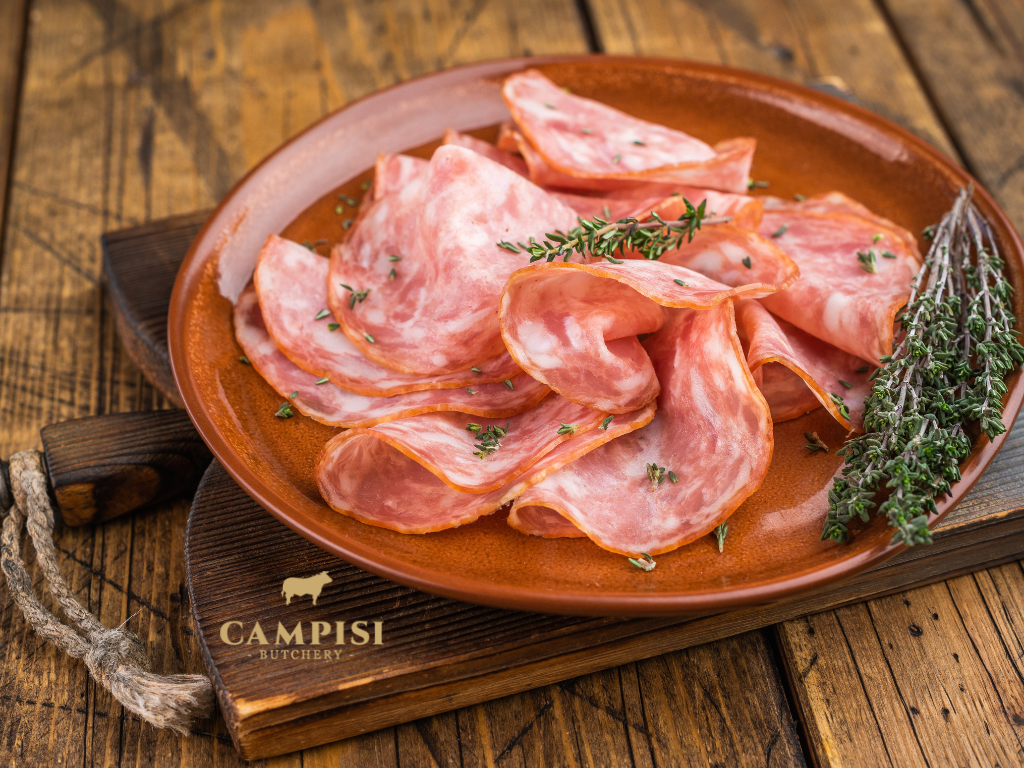
Italian salumi refers to a group of Italian-style meats that are cured, cooked, dried, seasoned, or preserved. Many people think of salami first, but salumi can include a much wider range of products.
Common examples include prosciutto, mortadella, coppa, pancetta, bresaola, soppressata, and different regional salami styles. Some are soft and delicate. Others are firm, rich, salty, spicy, or smoky.
Salumi is often served thinly sliced. It can be used on sandwiches, antipasto boards, grazing platters, pasta dishes, pizza, or simple snacks with cheese and bread. In Australia, it is also popular for family gatherings, weekend entertaining, picnics, Christmas platters, and event food.
What Salumi Means in Simple Terms
The word salumi is linked to Italian preserved meat traditions. It usually refers to Italian meat products made with salt, curing, drying, cooking, or seasoning. Many are pork-based, although some options, such as bresaola, are made from beef.
A simple way to understand it is this: salumi is the Italian family of deli-style meats. It includes many of the sliced meats you may see at a butcher, deli, antipasto counter, or grazing table.
However, not all salumi tastes the same. A mild mortadella feels very different from a strong salami. Prosciutto is delicate and salty, while coppa can be richer and more savoury. This is why understanding the types of salumi can help you choose the right mix.
Why It Is Popular for Australian Entertaining
Italian salumi works well for Australian entertaining because it is easy to serve, simple to share, and flexible. You can use it for a casual weekend platter or a more polished event table.
It also pairs well with foods that many Australians already enjoy. These include cheese, olives, crackers, sourdough, focaccia, roasted capsicum, marinated vegetables, fresh fruit, nuts, and dips.
Grazing platters and antipasto-style boards continue to appear in Australian food and entertaining content. Local guides often focus on balancing budget, flavour, and presentation, while platter services and supermarket deli platters show that easy entertaining remains popular.
Because of this, italian salumi is not only for restaurants or formal meals. It can also suit home entertaining, office catering, family events, and simple weekend meals.
Salumi vs Charcuterie: What Is the Difference?
Many shoppers ask about salumi vs charcuterie because the words often appear together. They are related, but they are not exactly the same.
Salumi is Italian. It focuses on Italian-style cured, cooked, or preserved meats. Charcuterie is a broader term with French origins. It can include cured meats, cooked meats, pâté, terrines, sausages, and other prepared meat products.
In everyday Australian use, people often use “charcuterie board” to describe a grazing board with meats, cheese, crackers, fruit, olives, and dips. An Italian-style version may be called a salumi plate, antipasto platter, or salumi board.
How Salumi Is Different from General Charcuterie
The main difference is origin and style. Salumi usually refers to Italian meats. Charcuterie is broader and can include French, Spanish, Italian, and other European-style prepared meats.
For example, prosciutto, mortadella, coppa, and soppressata are Italian salumi. Pâté, rillettes, saucisson, and terrine are more often linked with French charcuterie.
A board can include both. However, if you want an Italian-style platter, it makes sense to focus on types of italian salumi and pair them with Italian-style sides such as olives, bocconcini, provolone, grilled vegetables, focaccia, and marinated artichokes.
Why Australians Often Use the Terms Together
In Australia, many people search for charcuterie, grazing platters, antipasto, deli meats, and salumi when planning similar occasions. The goal is usually the same: they want a tasty shared platter that looks good and is easy to serve.
This overlap is important for shoppers. You may walk into a butcher or deli asking for a charcuterie board, but what you really want could be a salumi plate with Italian cured meats.
Knowing the difference helps you explain your needs more clearly. It also helps the supplier recommend better products. For example, you might ask for a mild salumi set for a family event, or a stronger mix with spicy salami, prosciutto, and coppa for guests who enjoy bold flavours.
Common Types of Italian Salumi
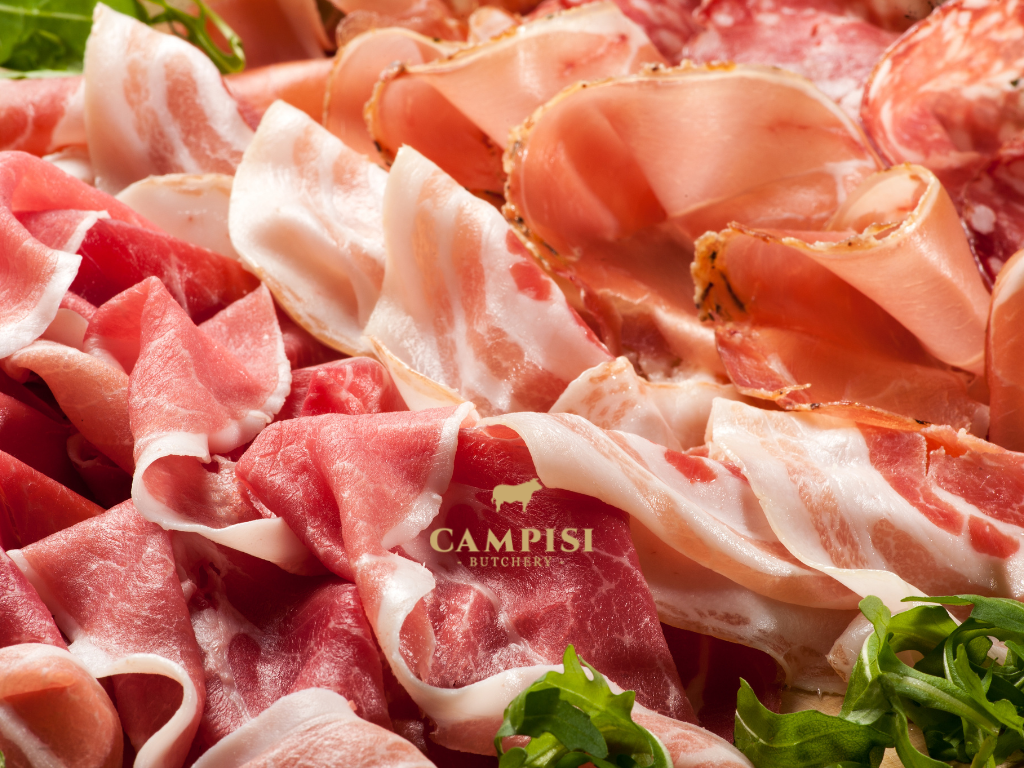
There are many types of salumi, and each one has its own flavour, texture, and best use. You do not need to know every regional style before buying, but it helps to understand the most common options.
A good mix often includes something mild, something rich, something salty, and something with a little spice. This gives guests more choice and makes the plate feel balanced.
Popular Options Shoppers May Recognise
Salami is one of the most familiar forms of salumi meat. It is usually firm, sliced thin, and available in many flavours. Some salami is mild, while other types include chilli, fennel, garlic, pepper, or wine.
Prosciutto is a dry-cured ham that is usually sliced very thin. It has a salty, delicate flavour and works well with melon, figs, bread, soft cheese, or fresh mozzarella.
Mortadella is a cooked Italian deli meat with a smooth texture and mild flavour. It is often used in sandwiches, but it can also work well on a platter when sliced thin or folded neatly.
Coppa, also known as capocollo in some places, is made from pork neck or shoulder. It is usually rich, savoury, and slightly firm. It can add depth to a salumi plate.
Pancetta is cured pork belly. It is often used in cooking rather than eaten on a platter, although this can depend on the style and preparation. It can add flavour to pasta, sauces, eggs, and vegetable dishes.
Bresaola is air-dried beef. It is lean, tender, and often served thinly sliced with rocket, lemon, olive oil, and shaved parmesan.
Soppressata is a type of Italian salami. It can be mild or spicy, depending on the style. It is a good choice when you want a stronger flavour on a platter.
How Flavour, Texture, and Serving Style Differ
When choosing types of italian salumi, think about texture first. Some meats are soft and silky, while others are firm and chewy. A good platter usually has a mix of both.
Next, think about flavour. Mild options like mortadella can suit children or guests who prefer simple flavours. Stronger options like spicy salami or coppa can suit guests who enjoy richer cured meats.
Finally, consider how the meat will be served. Thin slices are best for folding, rolling, and layering on boards. Slightly thicker slices may work better for sandwiches or rolls. Small salami pieces can also suit picnic boxes or casual snack plates.
If you are unsure, ask the butcher or deli team for guidance. They can often suggest a balanced mix based on your guest numbers and occasion.
How to Build a Balanced Salumi Plate
A good salumi plate should feel easy to eat. It should not be overloaded with too many strong flavours, and it should not rely on one type of meat only.
The best plates usually include variety. This means different meats, textures, colours, and sides. The goal is to make every bite feel balanced.
Choosing the Right Mix of Meats
Start with three to five meats, depending on the number of guests. For a small plate, choose one mild meat, one delicate meat, and one stronger meat.
For example, you might use mortadella for a mild option, prosciutto for a delicate option, and spicy salami or coppa for a stronger option. For a larger platter, you could add bresaola or soppressata for more variety.
Try not to choose only salty or spicy meats. Too much strong flavour can make the plate feel heavy. A better mix gives guests options and helps the sides stand out.
You can also build the plate around the occasion. For a family event, choose milder flavours. For a wine night or adult gathering, include richer cured meats and sharper sides.
What to Serve with Salumi
Italian salumi pairs well with simple sides. Bread, crackers, grissini, and focaccia give guests something to build each bite on.
Cheese also works well. You can use soft cheese, hard cheese, or fresh cheese. Bocconcini, provolone, pecorino, parmesan, ricotta, and mozzarella can all suit different styles of platter.
Olives, pickles, marinated vegetables, roasted capsicum, artichokes, and sun-dried tomatoes can add acidity and freshness. This matters because cured meats can be rich and salty.
Fresh fruit can also help balance the plate. Grapes, figs, melon, pear, and berries can add sweetness. Nuts, honey, mustard, chutney, and olive oil can bring extra texture and flavour.
Food & Wine’s charcuterie guidance also highlights the value of mixing textures and using sharp or acidic sides such as pickles, mustard, and preserved fruit to balance cured meats.
How to Choose the Right Salumi Set
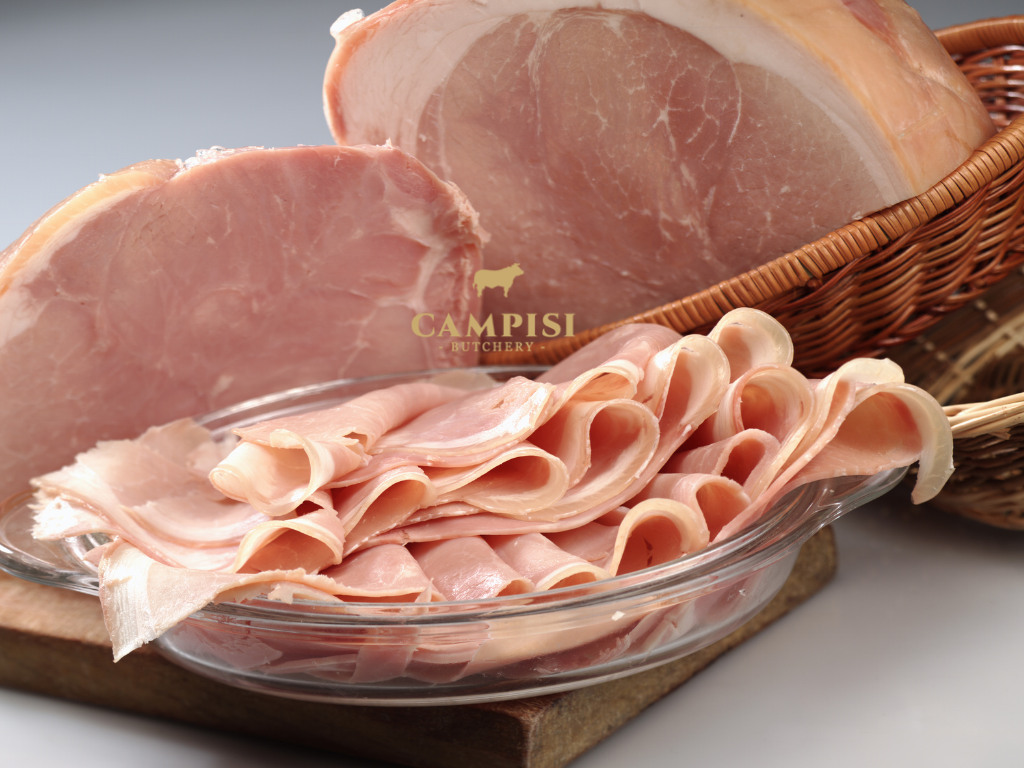
A salumi set can make buying easier, especially if you are unsure where to start. Instead of choosing each item one by one, you can ask for a prepared mix or request a custom selection.
This is helpful when you are planning a party, family lunch, office event, picnic, or special occasion. It can also help if you want a balanced plate but do not know which flavours work together.
Matching the Selection to the Occasion
For a small gathering, a simple salumi set with two or three meats may be enough. You could choose salami, prosciutto, and mortadella, then add cheese, olives, and bread.
For a larger gathering, choose more variety. Include mild, rich, spicy, and delicate meats so guests can try different flavours. Add enough sides to balance the salt and richness.
For corporate or office catering, choose easy-to-eat items. Thinly sliced meats, mild salami, mortadella, cheese cubes, crackers, and fruit can work well because they are simple to serve.
For a more premium platter, ask for meats with stronger character. This may include prosciutto, bresaola, coppa, soppressata, or specialty salami. Product availability can vary, so confirm options with the supplier before planning the final menu.
What to Check Before Buying
Before buying salumi, check how fresh it is, how it has been sliced, and how it should be stored. Fresh slicing can help with texture and presentation, especially for prosciutto and other thin-sliced meats.
Ask how much you need per person. The right amount depends on whether the salumi plate is a light starter, part of a larger meal, or the main grazing option.
Also ask whether the supplier can prepare a custom mix. This can be useful if you want mild flavours, spicy options, no beef, no pork alternatives, sandwich meats, or a platter-ready selection.
If you are buying in Sydney or Western Sydney, a local butcher can be helpful because you can discuss the occasion, guest numbers, and serving style in person. Campisi Butchery may be a useful contact when you want help choosing italian salumi, comparing cured meats, or putting together a salumi plate for home entertaining or events.
Buying Italian Salumi in Sydney or Western Sydney
Buying italian salumi is not only about choosing the most popular product. It is also about choosing the right cut, slice thickness, flavour mix, and quantity for your needs.
Sydney and Western Sydney shoppers may be buying for many different occasions. These can include Sunday family lunches, birthdays, office events, school holiday gatherings, Christmas tables, weekend picnics, and casual dinners.
Why a Butcher or Deli Can Help
A butcher or deli can help explain the difference between products. This is useful when you are comparing mild salami, hot salami, prosciutto, mortadella, pancetta, coppa, and bresaola.
They can also help with slicing. Thin slices work well for platters because they are easier to fold and serve. Slightly thicker slices may suit sandwiches, rolls, or cooking.
Another benefit is portion guidance. Many people either buy too little or far too much. A supplier can help estimate quantity based on guest numbers and whether the salumi is the main feature or part of a larger table.
They may also suggest pairings. For example, a rich salami may need pickles or olives. Prosciutto may suit melon or soft cheese. Mortadella may work well with focaccia, provolone, or roasted vegetables.
When to Ask for Help Before Ordering
It is best to ask for help before ordering if you are planning for a larger group. This gives the supplier time to suggest options and confirm availability.
You should also ask early if you need a specific salumi set, platter mix, or sliced quantity. Some products may sell faster during weekends, public holidays, Christmas, Easter, and event seasons.
Contacting a supplier early can also help if you have special preferences. For example, you may want mostly mild meats, a spicy selection, sandwich-friendly slices, or a premium antipasto mix.
If you are preparing food for guests with dietary needs, ask clear questions before buying. Some cured meats may contain specific seasonings, preservatives, allergens, or preparation methods. Always check the product label or ask the supplier if this matters for your guests.
Storing, Serving, and Enjoying Salumi Safely
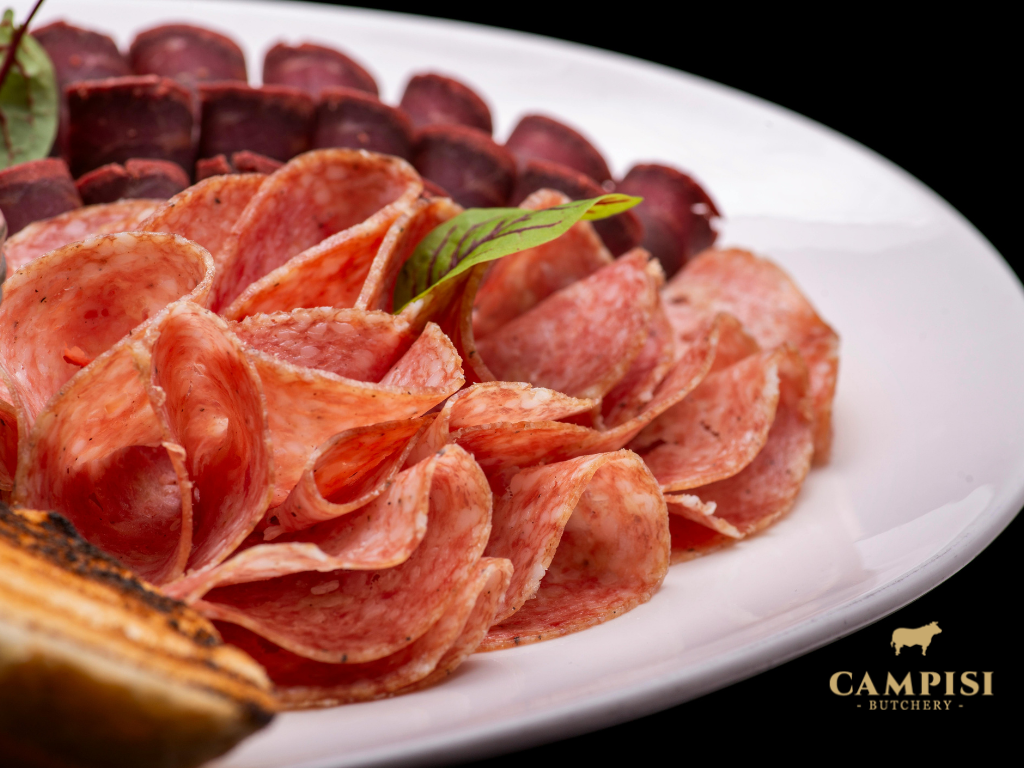
Good storage and serving can make a big difference. Salumi can lose quality if it is left open too long, stored poorly, or served in the wrong conditions.
Always follow the storage advice on the packaging or the instructions from the butcher or deli. If you are unsure, ask at the time of purchase.
How to Store Salumi at Home
Keep salumi refrigerated until you are ready to serve it. Store it in suitable packaging and keep it covered so it does not dry out.
If the meat has been freshly sliced, use it within the timeframe recommended by the supplier. Different products may have different storage needs, so do not assume every salumi meat lasts the same amount of time.
Avoid leaving salumi out for long periods, especially in warm weather. Australian summer conditions can affect food quickly, so plan your serving time carefully. For events, keep extra portions refrigerated and refill the plate as needed.
For exact food safety requirements, follow local food safety advice and supplier instructions. If you are serving food for a business, event, or public setting, confirm the relevant food safety requirements before service.
Simple Serving Tips for Better Flavour
Take the salumi out shortly before serving so it is not fridge-cold when guests eat it. This can help the flavour and texture come through. However, do not leave it sitting out too long.
Arrange the meats in loose folds or small groups. This makes the plate easier to serve and helps guests see the different options.
Keep strong flavours apart where possible. For example, very spicy salami can affect nearby mild meats if everything is packed tightly together.
Add fresh sides just before serving. Fruit, herbs, bread, and crackers can make the plate look more inviting. They also help balance the richness of the cured meats.
A good salumi plate does not need to be complicated. With the right mix of meats, simple sides, and good storage, you can create a platter that feels generous, practical, and easy to enjoy.