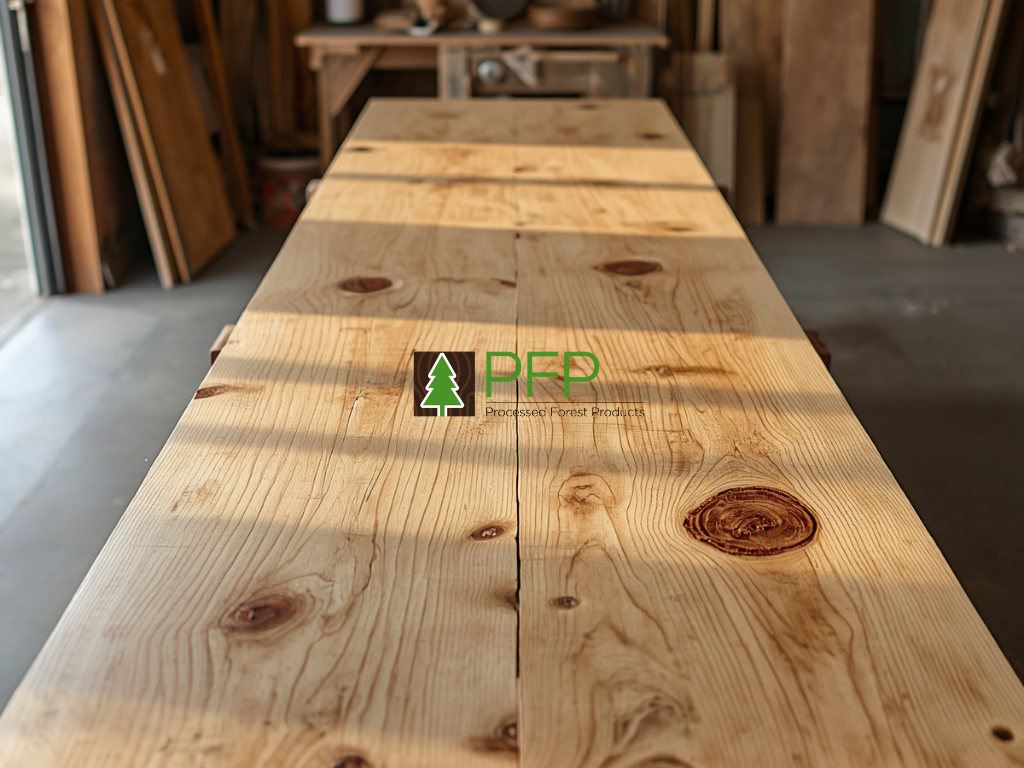
Choosing the right wood veneer suppliers can make a big difference to the final look, quality, and practicality of your project. Timber veneer is often used where people want the warmth and beauty of real timber, but with more flexibility than solid timber.
It can be used for cabinetry, furniture, doors, wall panels, reception counters, feature joinery, and commercial interiors. However, not all veneer products are the same. The species, grain, colour, backing, substrate, sheet size, matching method, and finish can all affect the result.
That is why supplier choice matters. A good supplier should help you understand the options, compare suitable products, and choose veneer that fits the design, budget, and practical use of the space.
Veneer choice affects the final look and performance
Timber veneer is a natural product, so colour and grain can vary from sheet to sheet. This is part of its appeal, but it also means planning is important.
For example, a straight-grain veneer may suit clean modern cabinetry. A highly figured veneer may work better as a feature. A darker veneer may suit luxury interiors, while a lighter veneer may suit warm and relaxed spaces.
The final result also depends on how the veneer is pressed, joined, finished, and installed. If you are using veneer on large visible surfaces, ask your supplier about matching, sheet sequence, grain direction, and finish compatibility before ordering.
Why buyers should compare more than price
Price is important, but it should not be the only thing you compare. A low-cost veneer may not be good value if it does not match well, is hard to finish, has unclear sourcing, or is not suitable for the project.
Good suppliers can help you compare availability, sheet sizes, backing options, substrate choices, and likely lead times. They may also help you decide whether you need raw veneer, backed veneer, pressed panels, or another suitable option.
Understanding Timber Veneer Before You Buy
Before choosing a supplier, it helps to understand what timber veneer is and how it is used. This makes it easier to ask the right questions and avoid ordering the wrong product.
Timber veneer gives projects a real timber surface while allowing the veneer to be applied to stable core panels.
What timber veneer is used for
Timber veneer is commonly used in cabinetry, furniture, wall lining, doors, office fit-outs, shopfitting, hospitality interiors, reception desks, wardrobes, shelving, and decorative panels.
It can suit both residential and commercial spaces. In homes, it may be used for kitchens, vanities, wardrobes, entertainment units, and custom furniture. In commercial interiors, it may be used for feature walls, meeting rooms, hotel joinery, retail counters, and office reception areas.
Because veneer can be used across many surfaces, consistency matters. The earlier you plan the veneer, the easier it is to match the design across panels, doors, edges, and visible faces.
Why veneer is different from solid timber
Veneer is not the same as solid timber. It is a thin layer of real wood that is usually applied to a core material such as plywood, particleboard, or MDF.
This can make it useful for large flat surfaces where solid timber may be less practical or more costly. Veneer can also make it easier to achieve a consistent look across cabinets, wall panels, and doors.
However, veneer still needs careful handling. Edges, joins, finishes, moisture exposure, and substrate choice all matter. If the product will be used in a high-traffic or moisture-prone area, ask your supplier and joiner what is suitable.
Comparing Veneer Species and Styles
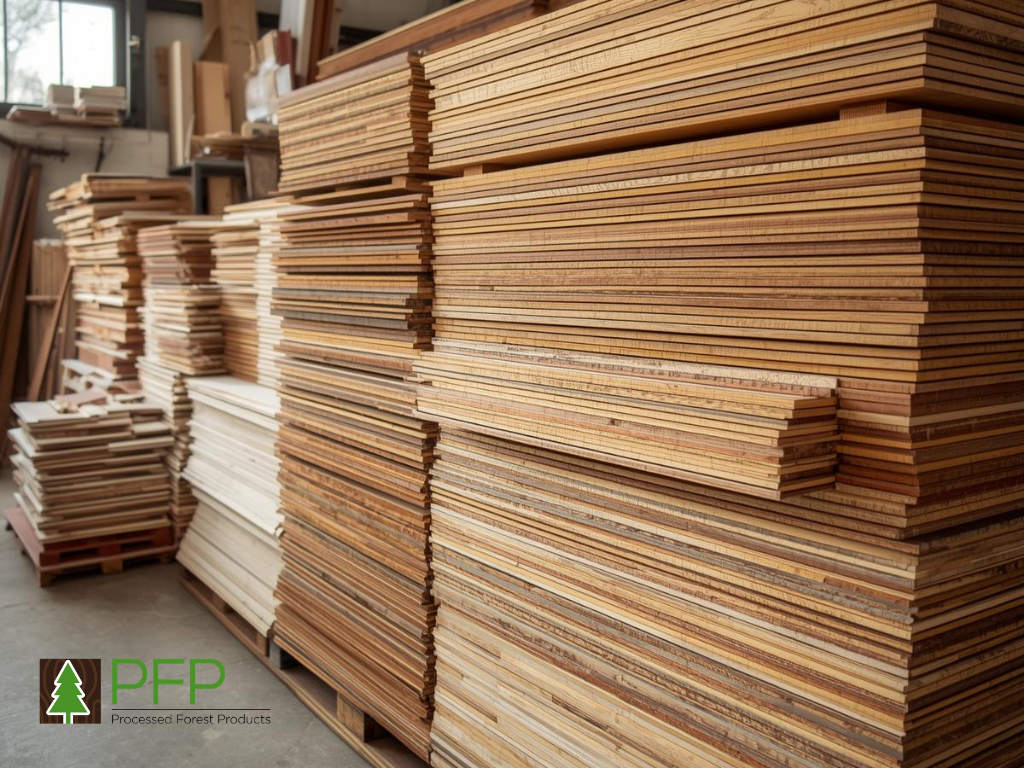
Different veneer species create different design effects. Some are calm and subtle. Others are bold and dramatic. The right choice depends on the style of the project and the level of visual impact you want.
It also depends on availability and budget.
Popular options for different design goals
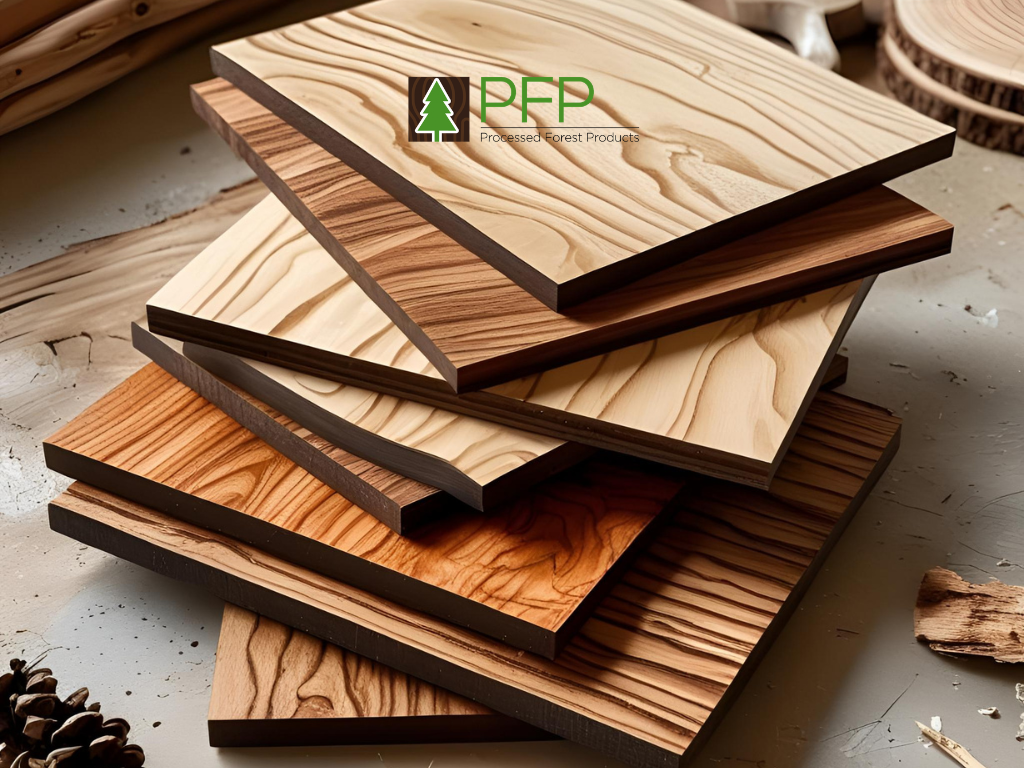
Light timber veneer can create a clean and natural look. Mid-toned veneer can feel warm and versatile. Dark veneer can create a strong, premium, or dramatic effect.
Straight-grain veneer often suits modern joinery because it looks calm and consistent. Figured veneer has more movement and can suit feature areas. Quarter-cut, crown-cut, and other slicing methods can also affect how the grain appears.
Before choosing, ask to see samples. A small online image may not show the real colour, grain, or finish response. Physical samples can help designers, builders, and clients make better decisions.
Where burl veneer and wenge veneer may fit
Burl veneer is often chosen for feature work because it has a distinctive swirling or figured pattern. It can suit cabinet doors, luxury furniture, wall panels, display pieces, and decorative joinery. Because it is visually strong, it is often best used carefully rather than across every surface.
Wenge veneer is known for its dark tone and strong grain. It may suit bold cabinetry, feature panels, furniture details, and interiors that need contrast. However, dark veneers can show dust, scratches, joins, or finishing issues more clearly, so planning and workmanship matter.
If you are considering burl veneer or wenge veneer, ask about availability, sheet sizes, matching options, and finish testing before committing.
What to Ask Before Ordering Veneer
Good planning can help reduce mistakes. Before ordering, ask practical questions about the product, the project, and how the veneer will be used.
This is especially important for larger projects or highly visible joinery.
Product details that should be checked
Before ordering, check the veneer species, sheet size, thickness, backing, substrate, grain direction, matching method, batch availability, and finish compatibility.
Ask whether the veneer is raw, backed, laid-up, or already pressed onto a panel. Also ask whether the supplier can provide matching sheets for larger areas.
If you are working with a joiner, cabinet maker, builder, or designer, make sure they understand the product details before ordering. A mismatch between design intent and product type can lead to delays or rework.
Why samples and clear communication matter
Samples are important because timber veneer can look different under different lighting and finishes. A veneer that looks warm in a showroom may appear darker, lighter, or redder after finishing.
Samples also help clients approve the look before production begins. This is useful for kitchens, commercial interiors, hotels, retail spaces, and feature walls where appearance matters.
Clear communication also helps. Share drawings, measurements, finish goals, and the intended use with your supplier. The more details they have, the easier it is to suggest suitable wood veneer supplies.
Choosing the Right Veneer Supplier or Manufacturer
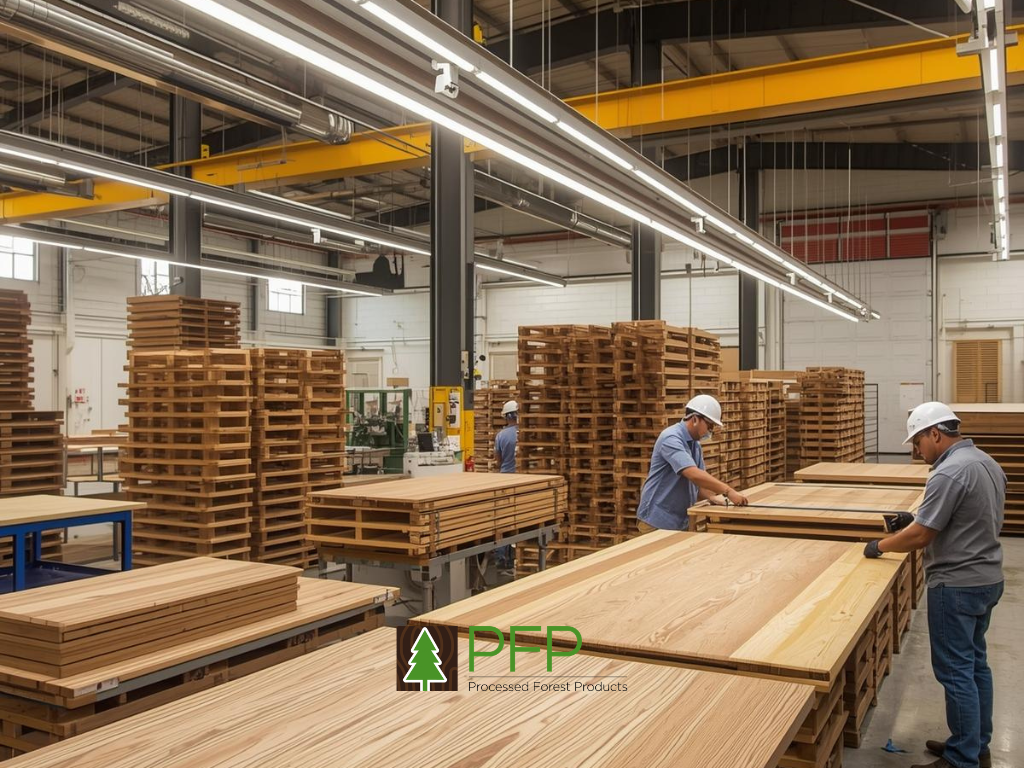
Choosing the right supplier can save time and reduce risk. A good supplier should understand the product and how it will be used in real projects.
They should also explain limitations clearly instead of promising that every product will suit every job.
What to compare between suppliers
When comparing timber veneer suppliers, look at product range, stock availability, technical advice, samples, documentation, lead times, custom options, delivery support, and communication.
If you need a timber veneer manufacturer, ask about pressing options, panel substrates, matching, quality control, and whether the product can be prepared to suit your project.
It is also useful to ask how the supplier handles specialty products, such as burl veneer, wenge veneer, or veneers with strong natural variation. These products may need more planning than standard options.
Where Forest Products may fit
Forest Products may be useful for buyers comparing wood veneer suppliers, timber veneer suppliers, specialty veneer options, and wood veneer supplies for joinery, cabinetry, and interior projects.
For designers, builders, cabinet makers, or homeowners, Forest Products may be a supplier to consider when you need advice on timber veneer, product selection, matching, and project suitability.
As with any supplier, compare product range, sample support, documentation, availability, lead times, and whether the advice matches your project needs.
Planning Veneer for Real Projects
Veneer planning should happen early, not after the design is finalised. This helps avoid issues with availability, grain direction, matching, and installation.
A project that uses veneer across many surfaces needs careful coordination between the supplier, designer, builder, and joiner.
Matching veneer to cabinetry, furniture, and wall panels
For cabinetry, think about which surfaces will be most visible. Door fronts, drawer fronts, end panels, kickboards, shelves, and feature panels may all need different levels of matching.
For wall panels, grain direction and sheet joins are important. A poor layout can make joins more obvious. A good layout can make the veneer feel more intentional and refined.
For furniture, edges and curves may need extra planning. Some veneer options are easier to work with than others, especially around curved surfaces or detailed profiles.
Why timing and ordering quantities matter
Lead times can affect the project schedule, especially if the veneer is a specialty species or needs to be matched across several panels.
It is also wise to order enough material for wastage, matching, and possible replacement pieces. If you only order the exact amount needed, it may be hard to match additional sheets later.
Ask your supplier how much extra material may be practical for your project. The right amount depends on the design, sheet sizes, matching needs, and joiner’s process.
When to Contact a Veneer Supplier
It is best to contact a veneer supplier early in the design or quoting stage. Waiting too long can limit your options, especially if you need a specific species, special figure, custom panel, or fast delivery.
Early advice can help you choose a product that looks good and works in the real project.
Signs you should ask for advice early
Contact a supplier early if you need specialty veneer, large matched areas, burl veneer, wenge veneer, custom panels, unusual sheet sizes, or a strict project timeline.
You should also ask for advice if you are unsure about the difference between raw veneer, backed veneer, pressed panels, and finished panels.
If responsible sourcing is important, ask for documentation before ordering. Current concerns about timber supply chains mean buyers should check sourcing claims carefully and avoid relying on vague sustainability language.
What information to prepare before calling
Before contacting a supplier, prepare your project type, measurements, preferred species, finish goals, substrate needs, quantity, timeline, delivery location, and whether samples are needed.
If you have drawings or inspiration images, share them. If the veneer must match other timber, flooring, furniture, or joinery, mention that too.
In the end, choosing wood veneer suppliers should be about more than finding a product list. The right supplier should help you compare options, understand limitations, and choose timber veneer that suits your project in both appearance and performance.