Choosing the right custom trailer can make towing safer, easier, and more practical. A trailer is not only a box on wheels. It needs to suit what you carry, how often you use it, where you tow it, and how you load and unload it.
For some buyers, a simple open trailer may be enough. For others, a tailored build is the better choice. This is common when the trailer needs to carry tools, motorbikes, machinery, business stock, event equipment, mobile service gear, or other items that need a specific layout.
A well-planned trailer can save time, protect your load, and make everyday use easier. However, a poorly planned trailer can create problems. It may be hard to load, too small for future needs, difficult to store, or unsuitable for your tow vehicle.
Match the trailer to the real job
Start by thinking about the job the trailer needs to do. What will it carry? How heavy is the load? How often will it be used? Will it travel short local trips, longer highway trips, or rougher worksite routes?
A trailer for a tradie may need lockable toolboxes, shelves, ladder racks, tie-down points, and easy side access. A custom bike trailer may need a low loading angle, a ramp, wheel chocks, strong tie-down points, and enough width for safe loading. A trailer for events or mobile services may need storage, signage space, lighting, and weather protection.
The better you understand the real use, the easier it is to design the right trailer.
Think beyond price and size
Price matters, but it should not be the only thing you compare. A cheaper trailer may not be the best option if it does not suit the load, towing vehicle, work conditions, or long-term use.
Think about access, loading, safety, storage, weather protection, durability, brakes, tyres, suspension, lighting, and future needs.
Also think about where the trailer will be stored. A large enclosed trailer may offer more security, but it also needs enough driveway, garage, or yard space. A smaller trailer may be easier to store, but it may not carry everything you need.
What Type of Trailer Do You Need?
The right trailer type depends on your load and how you use it. Some buyers need a general-purpose trailer. Others need custom made trailers designed around a specific task.
Before choosing, compare open trailers, enclosed trailers, bike trailers, trade trailers, and business trailers. Each option has a different purpose.
Open, enclosed, bike, and business trailers
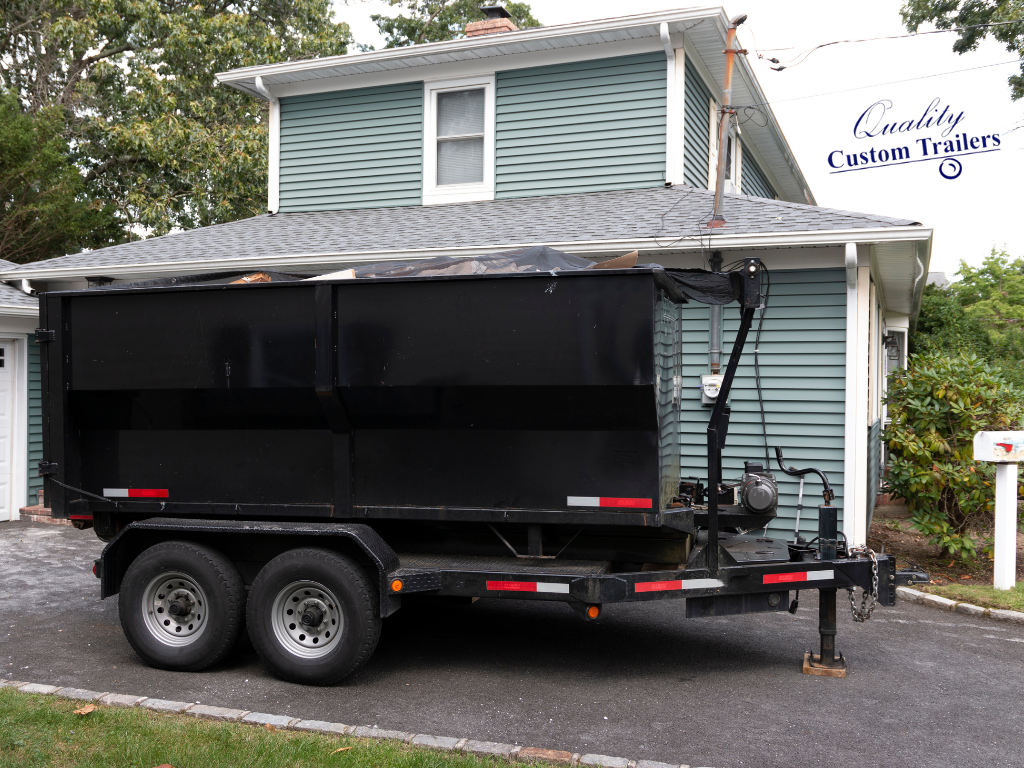
Open trailers are useful for general transport, landscaping, rubbish removal, building materials, garden work, and occasional hauling. They are simple and practical, but the load is exposed to weather and theft risk.
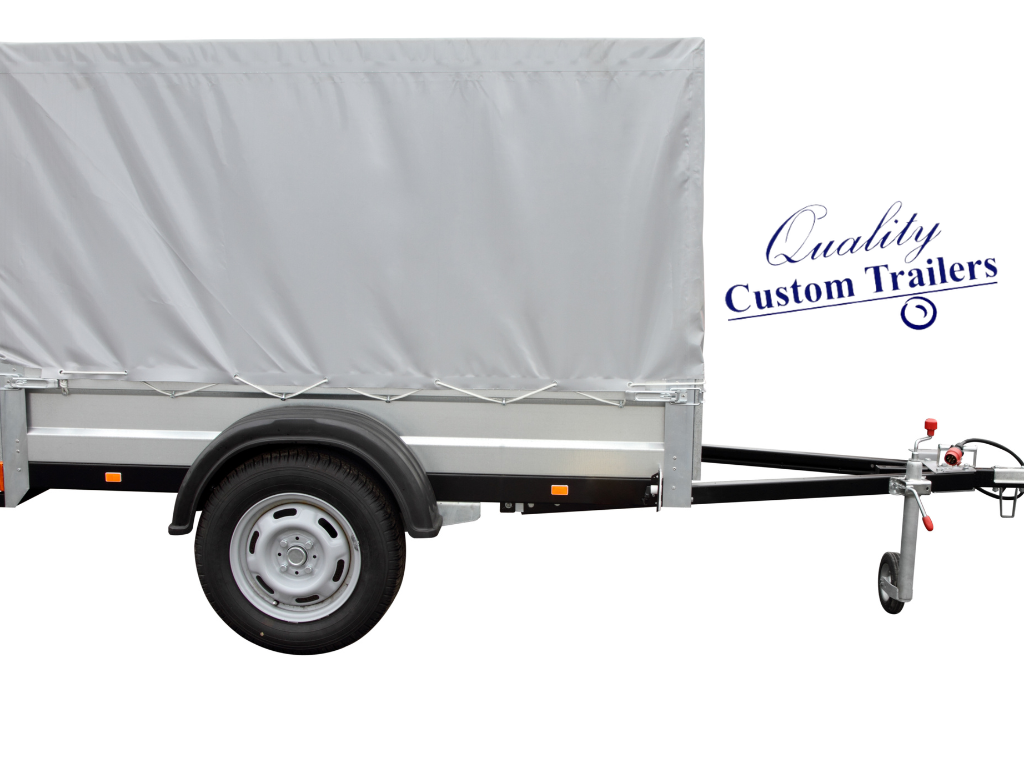
Custom enclosed trailers offer more protection. They can help keep tools, stock, bikes, equipment, or event items safer and drier. They may include shelves, internal lighting, side doors, rear ramps, ventilation, and lockable storage.
A custom bike trailer is designed to carry motorcycles more safely and easily. Useful features may include wheel chocks, ramps, tie-down points, non-slip flooring, low loading height, and enough space to move around the bike.
Business trailers may be designed for mobile services, trade work, deliveries, displays, catering, equipment transport, or branded work. These trailers often need a more detailed layout because they support daily operations.
When custom made trailers are useful
Custom made trailers are useful when standard trailer sizes or layouts do not suit the job. This may happen when the load is unusual, valuable, fragile, heavy, awkward, or used often.
For example, a tradie may need a trailer that keeps tools organised and easy to reach. A motorbike owner may need a trailer that makes loading safer. A business may need a trailer that can carry stock, display gear, or work equipment in a neat and professional way.
A custom build can also help when you need special compartments, ramps, racks, benches, tie-down positions, signage space, or weather protection.
What Features Should You Compare?
The best trailer features are the ones that solve real problems. It is easy to add too many extras, but every feature should have a purpose.
Good planning helps you choose features that improve loading, storage, safety, and daily use.
Loading, storage, and access features
Loading is one of the most important parts of trailer design. If loading is difficult, the trailer may become frustrating to use.
Consider whether you need:
- Rear ramp
- Side door
- Drop-down tailgate
- Low loading height
- Internal shelves
- Lockable toolboxes
- Tie-down points
- Wheel chocks
For a custom bike trailer, ramps, tie-downs, wheel chocks, and balance are especially important. For custom enclosed trailers, doors, locks, ventilation, lighting, and internal layout can make a big difference.
Materials, strength, and towing setup
A trailer should be built for the weight and type of load it will carry. The frame, floor, axle, suspension, tyres, brakes, and coupling all need to suit the intended use.
Ask about the trailer’s load rating, tare weight, ATM, GTM, braking setup, suspension type, tyre size, lighting, and rust protection. These details matter for safety and long-term use.
If the trailer will carry heavy tools, motorbikes, equipment, or stock, the design should allow for safe weight distribution. Poor weight balance can make towing harder and less stable.
How Do You Plan for Safe and Practical Towing?
A good trailer should be practical, but it should also be safe to tow and easy to manage. Before placing an order, think about the tow vehicle, load weight, road use, and legal requirements.
This is especially important for buyers comparing custom trailers for sale or planning a new build.
Check towing and load needs first
Your tow vehicle must be suitable for the loaded trailer. Check the vehicle’s towing capacity, towbar rating, and the expected loaded weight of the trailer.
You should also think about weight distribution. Heavy items should be loaded carefully and secured with suitable tie-down points. A trailer that is poorly loaded can be harder to control, especially when braking, turning, or travelling at higher speeds.
If you plan to carry motorbikes, tools, equipment, or business stock, tell the builder the likely weight and layout. This helps them recommend the right size, axle setup, brakes, and tie-down positions.
Consider road use and registration needs
Trailer requirements can vary depending on size, weight, and intended use. Buyers should check the relevant state or territory rules before using a trailer on public roads.
Ask about compliance plates, lighting, reflectors, brakes, tyres, safety chains, coupling, mudguards, and registration needs. These details should be considered during design, not left until the trailer is finished.
If a seller makes claims about registration, towing legality, or load rating, ask for the details in writing and mark unclear claims as.
How to Choose the Right Trailer Product or Service
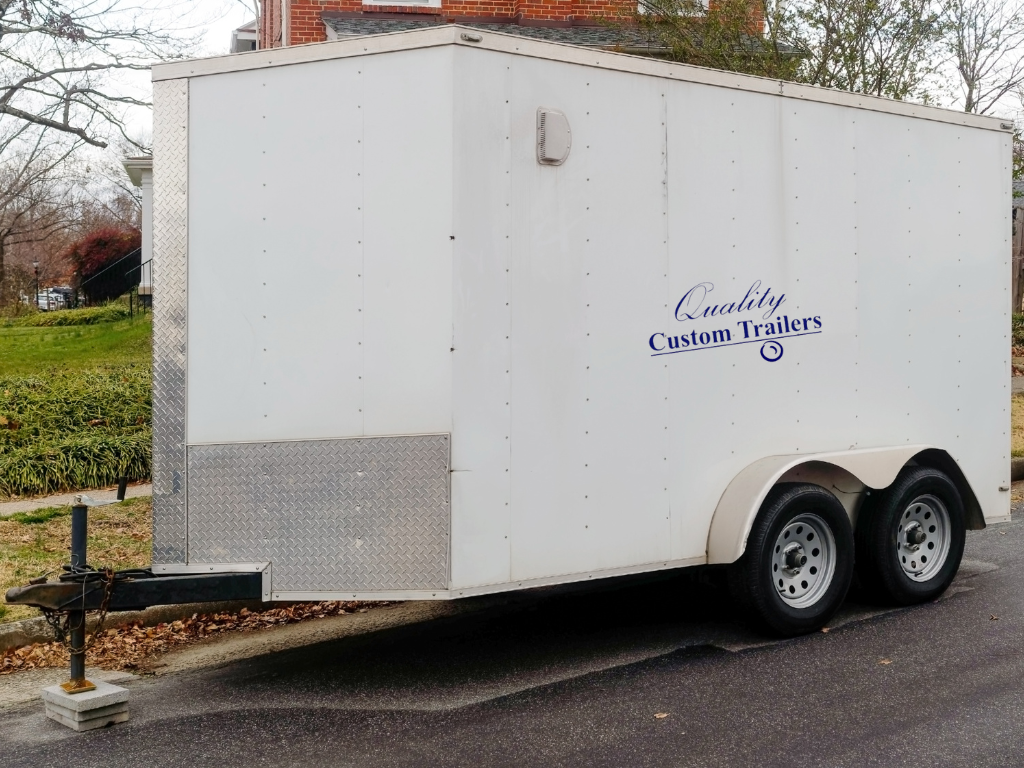
Choosing a trailer builder is just as important as choosing the trailer design. A good builder should help you turn your idea into a practical trailer that suits your load, tow vehicle, and day-to-day use.
The best option is not always the cheapest or the flashiest. It is the one that fits your real needs.
Compare design support, workmanship, and clear quotes
When searching for custom trailers near me, compare more than location. Look at design support, workmanship, materials, communication, warranty details, build options, and how clearly the quote is explained.
Useful questions include:
- What trailer style suits my load?
- What size do you recommend?
- What weight rating should I consider?
- What materials will be used?
- What access points are included?
- What tie-down points are recommended?
- Can the trailer be enclosed?
- Can it support future changes?
- What is included in the quote?
- What details should be confirmed before the build starts?
Clear answers can help you compare builders more fairly.
When a specialist builder can help
Quality Custom Trailers may be useful to consider when you need help comparing a custom trailer, unique custom trailers, custom enclosed trailers, custom trailers for sale, a custom bike trailer, or custom made trailers.
This can be helpful when your load is unusual, your business has specific storage needs, or you want a trailer that works better than a standard off-the-shelf option.
A specialist builder can help you think through measurements, layout, access, ramps, shelving, tie-downs, load rating, finishes, and practical use before the trailer is built.
What Mistakes Should Buyers Avoid?
Many trailer problems happen because the design was rushed or based on someone else’s setup. A trailer that works well for one buyer may not suit another person’s vehicle, load, property, or business needs.
Taking time to plan can help avoid expensive changes later.
Avoid copying a trailer that does not suit your use
It is useful to look at examples, but do not copy a design without checking whether it suits your use. A tradie trailer, bike trailer, enclosed trailer, and general-purpose trailer all need different layouts.
For example, a trailer with lots of shelves may be great for tools but not suitable for bulky equipment. A low trailer may be easier to load but may not suit rougher access. A large enclosed trailer may protect the load, but it may be harder to store or tow.
Start with your own load, towing vehicle, access, and storage needs.
Avoid ignoring future needs
A trailer should suit today’s job, but it should also allow for tomorrow’s needs where possible. Think about whether your business may grow, whether your equipment may change, or whether you may need extra storage later.
For example, a motorbike owner may later carry a larger bike. A tradie may add more tools. A mobile service business may need more stock space. A business may want trailer signage or branding later.
Planning for sensible future use can help you get better long-term value from the trailer.
When Should You Contact the Company?

You should contact a trailer builder when your load, layout, storage, or access needs are not standard. It is better to ask early than to buy a trailer that does not suit the job.
A short discussion can help clarify what is practical, what may cost extra, and what details need to be measured before quoting.
When your load or layout is not standard
Contact the company if you need a trailer for motorbikes, tools, machinery, mobile services, events, business stock, or unusual equipment.
You should also ask for help if you are unsure about trailer size, enclosed vs open design, ramps, tie-downs, shelving, load rating, or towing setup.
Bring as much information as possible. This may include load sizes, weights, photos, measurements, tow vehicle details, storage space, and how often the trailer will be used.
When you are ready to compare build options
Contact the company when you are ready to compare designs, materials, finishes, and pricing. A good builder should explain what is included and what options are available.
You may also want to ask about lead times, warranty, registration requirements, custom features, future upgrades, and whether the trailer can be designed for business use.
To finish, a custom trailer should make transport easier, safer, and more organised. By planning the load, layout, towing needs, and future use, you can choose a trailer that works well now and continues to support your needs over time.