Bathrooms are one of the most frequently used areas of any home, but they can also present challenges for people with mobility limitations, balance concerns, injuries, disabilities, or age-related conditions. Wet surfaces, confined spaces, and the need to sit, stand, and transfer safely can increase the risk of discomfort or accidents.
This is why bathroom medical equipment plays an important role in supporting independence and daily living. From safety aids to comfort-focused products, the right equipment can help people perform everyday tasks more confidently while reducing physical strain.
Whether someone is recovering from surgery, managing a long-term condition, or simply looking for additional support as they age, understanding the available options can make it easier to create a safer and more comfortable bathroom environment.
Why Bathroom Medical Equipment Plays an Important Role in Daily Living
How does bathroom safety affect independence and wellbeing?
The ability to use the bathroom safely and comfortably is closely linked to personal independence. When individuals feel confident performing daily routines without assistance, they often maintain greater privacy and self-reliance.
Bathroom support products can help reduce the risk of slips, falls, and unnecessary strain. They may also provide reassurance for family members and carers who are concerned about safety within the home.
Small changes can often make a significant difference in comfort and confidence.
Who can benefit from bathroom support products?
Many different people use bathroom medical equipment, including:
- Older adults
- People recovering from surgery
- Individuals with mobility limitations
- People living with disabilities
- Those experiencing joint pain or arthritis
- Individuals recovering from injuries
The appropriate equipment depends on each person’s specific needs, mobility level, and living environment.
Understanding the Different Types of Bathroom Medical Equipment
What products are commonly used to improve bathroom safety?
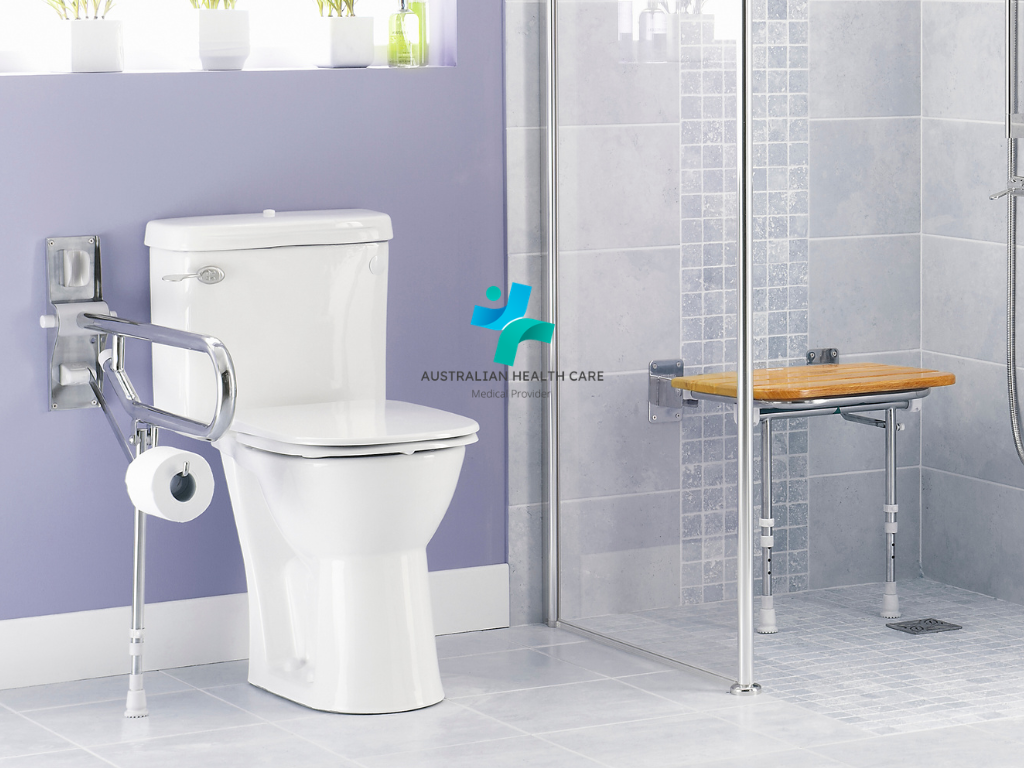
Bathroom support products are available in a wide range of designs to assist with different daily activities.
Common examples include:
- Grab rails
- Shower chairs
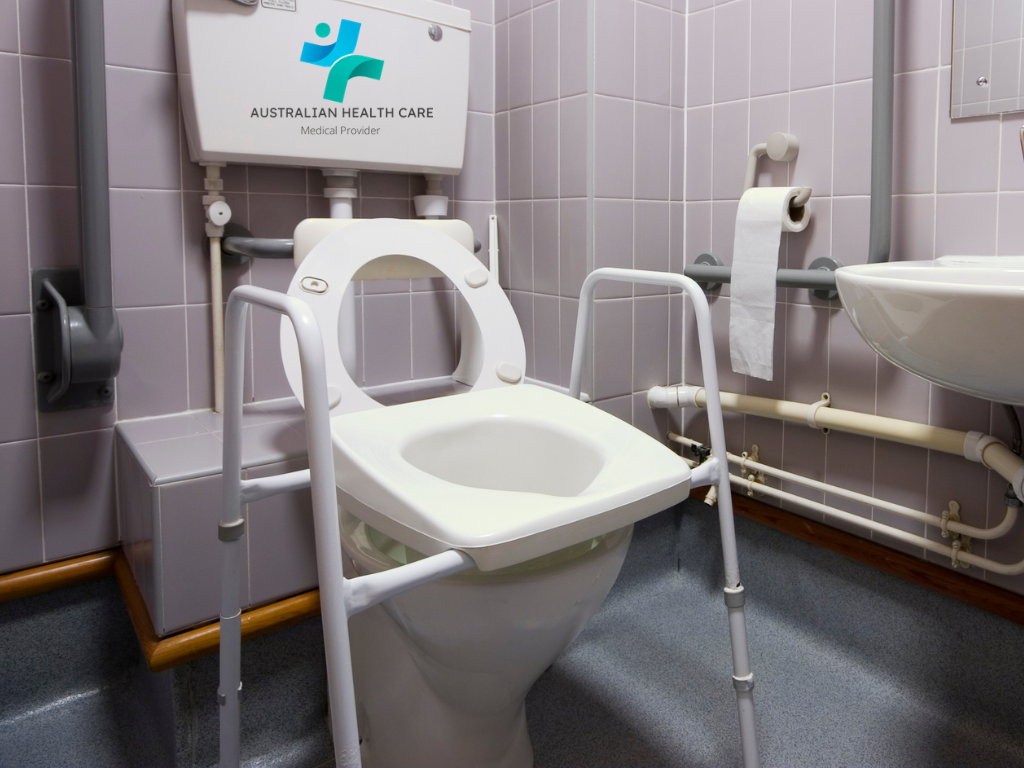
- Raised toilet seats
- Transfer benches
- Non-slip mats
- Toilet support frames
Each product is designed to address specific challenges and improve safety during bathroom use.
How do comfort-focused products improve the user experience?
While safety is often the primary concern, comfort should not be overlooked. Products designed to improve comfort can make everyday routines easier and less stressful.
Comfort-focused solutions may be particularly useful for people who spend longer periods seated or who experience discomfort due to medical conditions, recovery needs, or reduced mobility.
Selecting products that combine comfort and support often leads to a better overall user experience.
How Cushioning Solutions Improve Toilet Comfort and Accessibility
What is a cushion toilet seat and when is it recommended?
A cushion toilet seat is designed to provide additional padding compared to a standard toilet seat. The extra cushioning may help reduce pressure and discomfort for users who find hard surfaces difficult to sit on.
These products are commonly used by:
- Individuals recovering from surgery
- People with arthritis
- Users with joint pain
- Those experiencing reduced mobility
- Individuals requiring additional seating comfort
The level of support required varies depending on the user’s condition and personal preferences.
How does a cushioned toilet seat differ from standard toilet seating?
A cushioned toilet seat typically includes additional padding materials that create a softer seating surface.
Potential benefits may include:
- Improved comfort
- Reduced pressure points
- Greater seating support
- Easier daily use for some individuals
When comparing options, it is important to consider durability, hygiene requirements, and ease of cleaning alongside comfort features.
Comparing Toilet Seat Pillow, Toilet Seat Pads, and Other Comfort Accessories
What is the purpose of a toilet seat pillow?
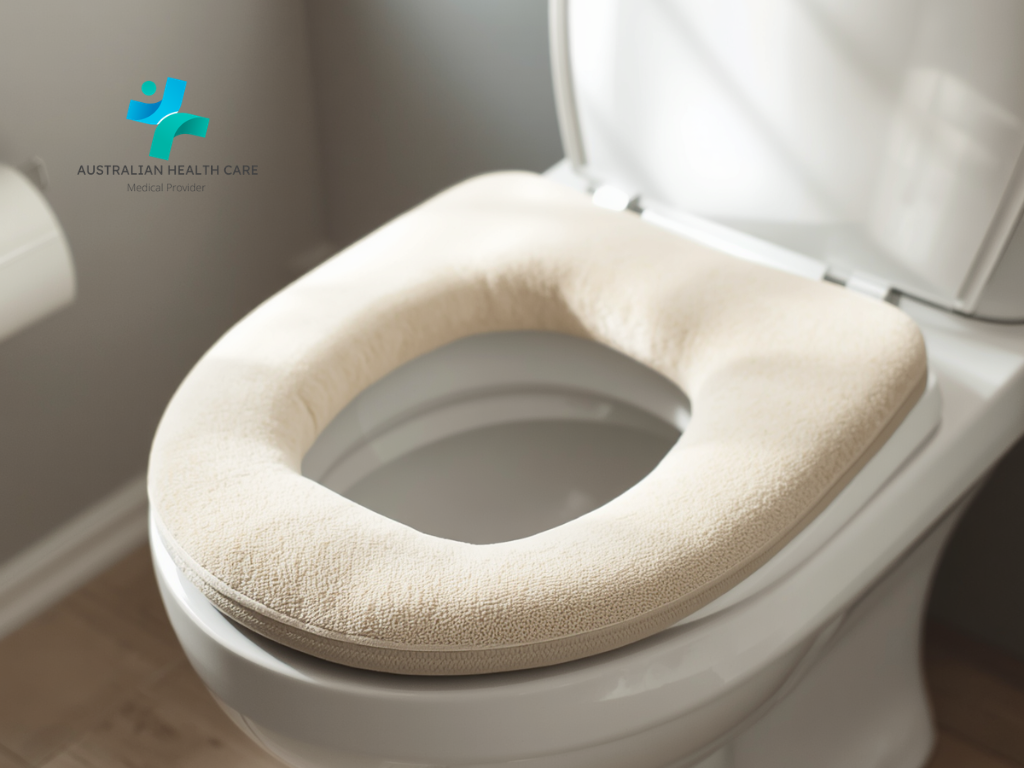
A toilet seat pillow provides additional cushioning that can be placed on or integrated with a toilet seat. These products are designed to improve seating comfort while supporting users who may experience discomfort from prolonged sitting.
They are often used when extra padding is required beyond what a standard seat provides.
As with any support product, selecting the correct size and design is important for both safety and effectiveness.
How do toilet seat pads and similar accessories compare?
Toilet seat pads, soft covers, and other cushioning accessories offer varying levels of comfort and support.
When comparing options, consider:
- Cushion thickness
- Material quality
- Ease of cleaning
- Moisture resistance
- Installation method
- Long-term durability
Different products suit different users, so it is helpful to assess both comfort requirements and practical considerations before purchasing.
Choosing the Right Soft Toilet Seat Cushion for Your Needs
What factors should be considered before purchasing?
Choosing the right soft toilet seat cushion involves more than simply selecting the softest product available.
Important factors include:
- User mobility needs
- Weight capacity
- Cleaning requirements
- Material durability
- Bathroom compatibility
- Comfort preferences
Products should be selected based on the individual’s needs rather than appearance alone.
Where possible, reviewing product specifications and seeking professional advice can help avoid unsuitable purchases.
Which users benefit most from a soft toilet seat cushion?
A soft toilet seat cushion may be beneficial for people who experience discomfort when sitting on standard toilet seats.
This may include individuals with:
- Arthritis
- Hip conditions
- Lower back pain
- Post-surgical recovery needs
- Pressure sensitivity
Comfort products should support daily living without compromising safety or stability.
How to Choose the Right Bathroom Medical Equipment for Home Use
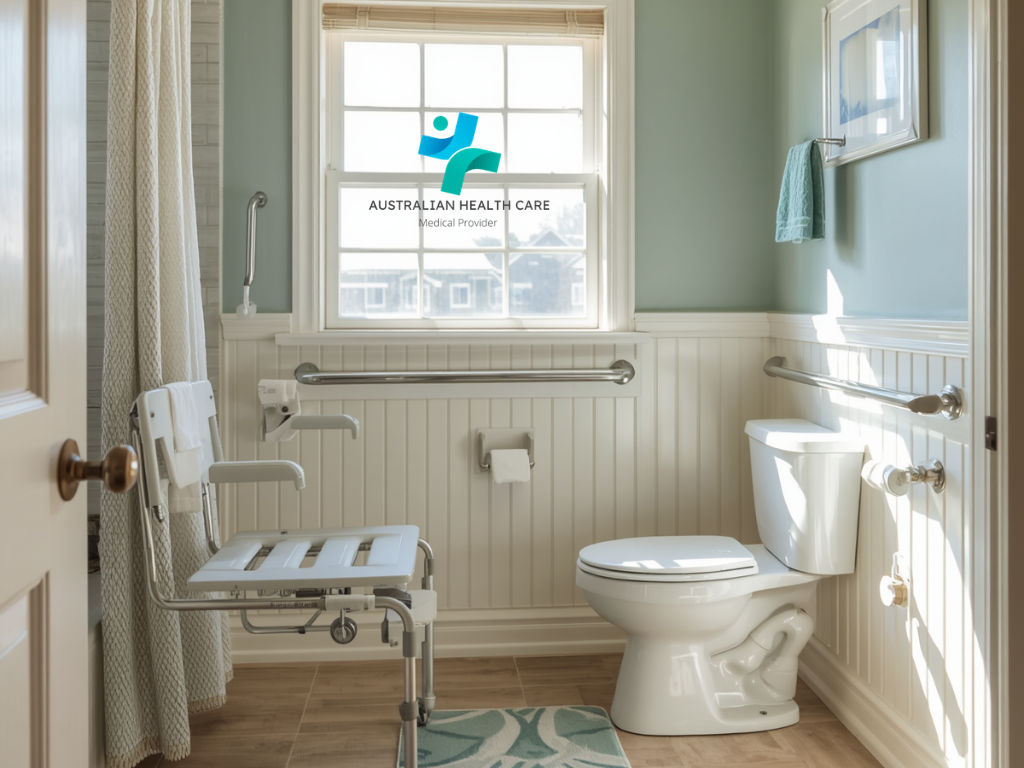
What should families and carers look for when comparing products?
Selecting bathroom medical equipment requires careful consideration of both current and future needs.
Key factors include:
- Safety features
- Ease of installation
- Maintenance requirements
- User comfort
- Product durability
- Compatibility with existing bathroom layouts
Taking the time to assess these factors can help families make more informed decisions.
How can buyers identify products that offer long-term value?
Long-term value is often determined by a combination of quality, functionality, and suitability.
Rather than focusing solely on price, buyers should evaluate:
- Product lifespan
- Warranty support
- Ease of cleaning
- Adaptability to changing needs
- Manufacturer reputation
For those seeking a range of bathroom support products and mobility solutions, Australian Health Care provides access to equipment that may assist with bathroom safety, comfort, and independent living requirements.
When Should You Seek Professional Advice About Bathroom Support Equipment?
What signs indicate additional bathroom assistance may be needed?
Professional guidance may be beneficial when individuals begin experiencing:
- Difficulty standing or sitting
- Balance concerns
- Frequent slips or near-falls
- Pain during bathroom use
- Reduced mobility following surgery or injury
Addressing these issues early may help prevent more serious safety concerns.
How can professional guidance help you choose suitable solutions?
Healthcare professionals, occupational therapists, and equipment specialists can help assess individual needs and recommend appropriate products.
Their advice may assist with:
- Equipment selection
- Home safety assessments
- Mobility support planning
- Product fitting and setup
- Long-term care considerations
Professional guidance can be particularly valuable when choosing specialised products such as a padded toilet seat or other comfort-focused bathroom aids.