Sustainable veneer is becoming an increasingly relevant consideration in Australian interior design as homeowners, architects, designers and joiners look beyond appearance alone when selecting timber finishes. Natural color, responsible sourcing, material longevity and indoor environmental quality are now often considered alongside grain, texture and cost.
At the same time, timber remains central to many contemporary Australian interiors. Warm finishes, American oak, walnut tones, Australian timber character and more tactile surfaces are helping move interiors away from the cooler grey palettes that dominated previous years. Current Australian design coverage continues to feature natural timber veneer for joinery, furniture and feature surfaces, while industry commentary for 2026 points towards warmer browns, golden tones and textured finishes.
For anyone planning cabinetry, wall panelling, furniture or a commercial fit-out, understanding these trends can make it easier to choose a sustainable veneer that suits both the design intent and the practical requirements of the project.
Sustainable veneer and the shift towards responsible interiors
Sustainability is no longer considered only at the structural stage of a building. Interior finishes, cabinetry, furniture and decorative surfaces are also being examined more closely, particularly when designers and clients want to understand where materials have come from and what they contain.
Sustainable veneer can offer an efficient way to use natural timber because a log is sliced into thin veneer leaves rather than being used entirely as solid timber. The Timber Veneer Association of Australia describes veneering as an efficient use of wood because thin timber surfaces can be applied to stable substrates, allowing the visual characteristics of timber to cover a considerably larger area.
That does not mean every veneer product should automatically be described as environmentally preferable. Buyers still need to consider timber sourcing, the substrate underneath the veneer, adhesives, coatings, expected service life and the documentation supporting any environmental claims.
How sustainable veneer fits modern Australian design
One reason sustainable veneer works across different interior styles is that it combines the natural variation of timber with the practical format of manufactured panels. It can be incorporated into cabinetry, wall panelling, furniture, doors and other dry interior applications without requiring every component to be made from thick sections of solid timber.
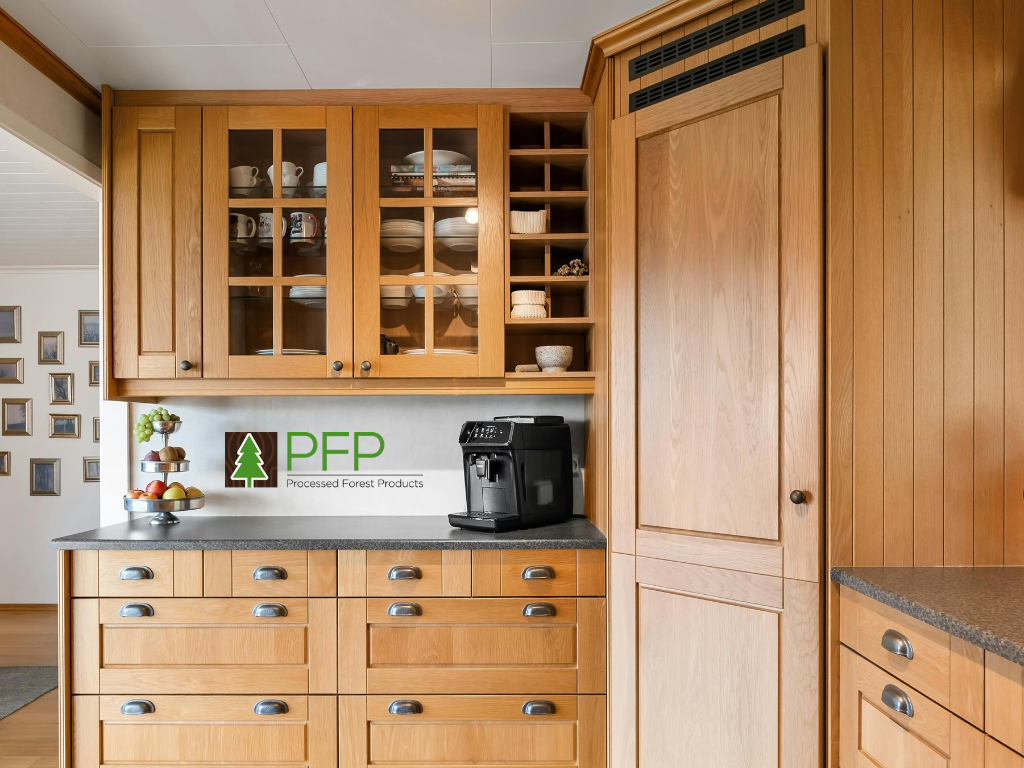
This versatility is particularly useful in contemporary Australian interiors, where the same timber appearance may need to continue across several surfaces. A wood veneer design can create visual continuity between kitchen joinery, storage, built-in furniture and feature walls while still allowing the designer to select different substrates or panel constructions for particular applications.
The important step is to start with the application rather than choosing a sustainable veneer purely because a sample looks attractive. A decorative wall panel, kitchen cabinet and commercial reception desk can place very different demands on a surface.
Warmer Timber Tones Are Shaping Interior Design
Why sustainable veneer is moving towards warmer finishes
Australian interiors are continuing to embrace warmth, with brown, golden and naturally toned timber surfaces appearing alongside softer neutral colors. Industry trend coverage for 2026 identifies warm walnut and blackwood tones alongside lighter oak finishes as continuing directions for Australian veneer applications.
For sustainable veneer, this creates plenty of flexibility. Pale timber can support a light, relaxed interior, while mid-brown and darker species can add depth without needing the room to rely heavily on painted feature colors.
The move towards warmth also means timber does not need to dominate a room to influence its character. A veneer used on an island bench, entertainment unit, reception counter or bank of cabinetry can introduce enough grain and color to soften surrounding materials such as stone, glass, metal or painted board.
Sustainable veneer choices for calm, natural interiors
A natural interior is not simply a matter of choosing the palest timber available. The undertone, grain pattern, cut and finish of a sustainable veneer all affect how the material works with flooring, benchtops, wall colors and lighting.
Lighter oak tones can suit interiors where the goal is to maintain an open appearance and allow natural light to remain prominent. Richer brown veneers can make larger rooms feel more grounded, while darker surfaces are often better treated as a deliberate contrast rather than applied indiscriminately throughout a space.
Samples are particularly important at this stage. Natural timber can change noticeably under warm and cool lighting, and the surrounding colors can influence how yellow, red or grey a veneer appears. Viewing a full-size or representative sample alongside the other finishes in the project is much more useful than making a decision from a small digital image.
American Oak and Walnut Looks Remain Popular
Sustainable veneer options inspired by American oak
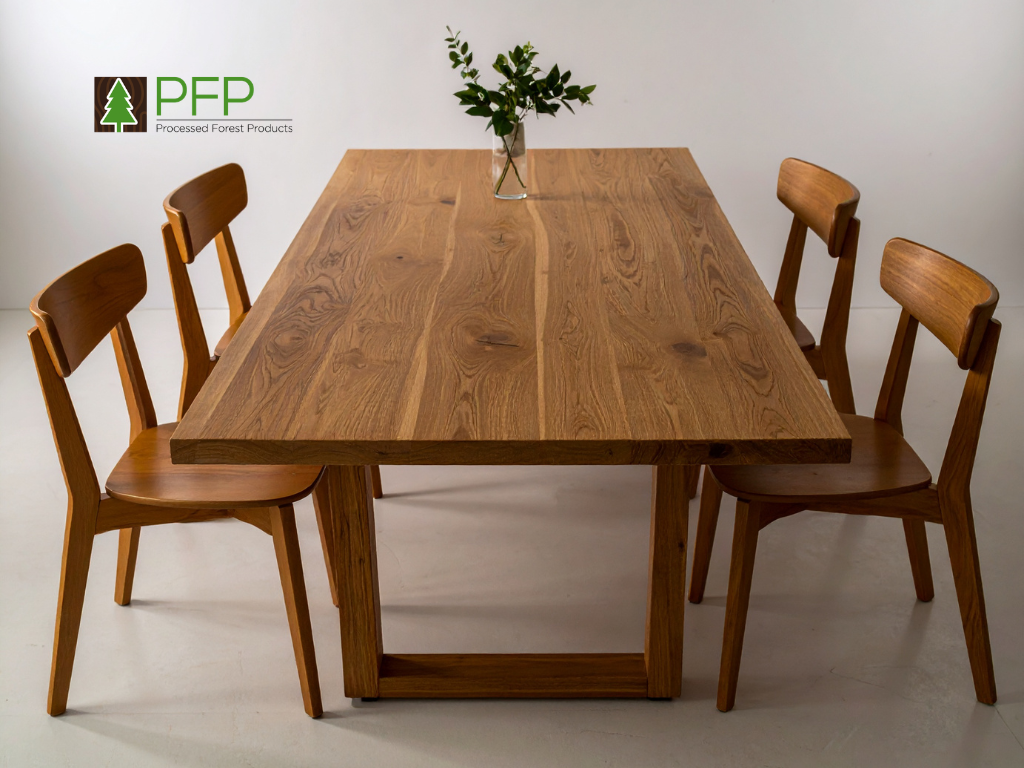
American oak veneer continues to be widely used because its grain and relatively versatile colorizing can suit many interior styles. Australian veneer trend coverage continues to identify American oak as an enduring choice for residential and commercial applications, particularly where designers want a lighter timber appearance with visible natural grain.
The cut of the veneer is just as important as the species. Crown-cut oak can produce more expressive cathedral-style grain, while quarter-cut or rift-cut material generally presents a straighter appearance. Those differences can substantially change the finished joinery even when the timber comes from the same species.
When selecting American oak as a sustainable veneer, it is therefore worth discussing the cut, matching method, expected color variation and panel layout before manufacturing begins. This is especially important across large cabinetry runs or wall panels where adjacent sheets need to work visually as a group.
Sustainable veneer in deeper walnut-inspired finishes
Walnut and walnut-inspired finishes offer a different direction. Their deeper brown tones can create contrast against pale stone, soft neutral paint colors and lighter flooring, making them useful where an interior needs more visual weight.
Current Australian design commentary also points towards warmer walnut tones for interiors seeking a richer atmosphere.
However, choosing a darker sustainable veneer should involve more than following a color trend. Dark surfaces can behave differently depending on room size, lighting and the amount of veneer being used. A walnut-toned feature wall may create useful depth in one project but make another room feel visually heavy if repeated across every surface.
The most successful choice is usually the one that supports the overall material palette rather than being selected simply because a particular timber color is currently fashionable.
Australian Timber Species Are Gaining More Interest
Sustainable veneer using locally inspired timber species
Australian interiors do not need to rely exclusively on imported timber looks. Species and appearances associated with timbers such as blackwood, blackbutt, spotted gum, Tasmanian oak and other locally familiar woods can give a project a distinctly Australian character.
Current Australian veneer trend reporting continues to highlight blackwood, spotted gum, blackbutt and Tasmanian oak alongside internationally popular species.
A sustainable veneers with Australian timber character can work especially well where the designer wants the interior to connect visually with other natural materials in the project. The grain and color may suit residential joinery, office interiors, hospitality spaces, furniture and architectural panelling, depending on the particular veneer and surface requirements.
Species alone, however, does not determine sustainability. A locally familiar name should not be treated as proof that a product has been responsibly sourced.
Choosing sustainable veneers with sourcing in mind
When environmental credentials matter, ask the supplier what documentation is available for the actual product being specified. FSC, PEFC and Responsible Wood chain-of-custody systems are designed to maintain traceability through participating organizations in the timber supply chain. The Timber Veneer Association of Australia identifies FSC, PEFC and Responsible Wood certification among the chain-of-custody systems available for veneer products in Australia.
The Green Building Council of Australia also recognise FSC and PEFC-accredited certification in relevant responsible timber requirements, although the exact requirements depend on the Green Star rating tool and credit being pursued.
This is why terms such as FSC certified veneer are most useful when they relate to a documented product rather than being used as a general description. If certification is important to a project, confirm the certification status, chain-of-custody information and product availability before specifying the material.
Texture and Natural Grain Are Becoming Design Features
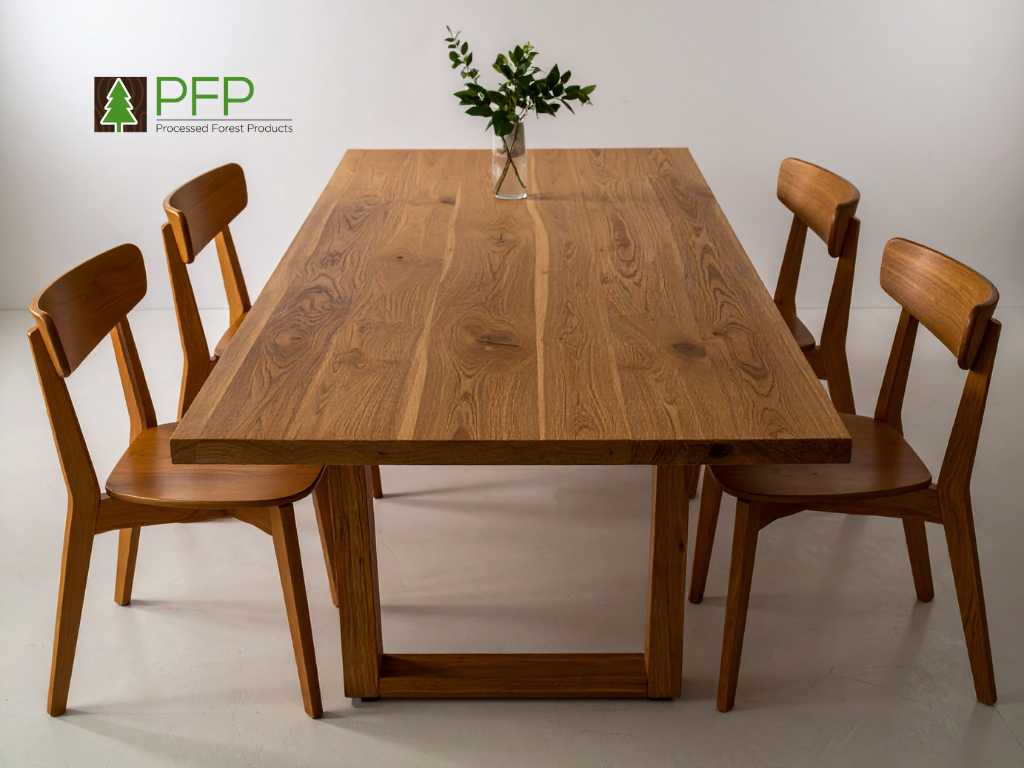
Sustainable veneer is moving beyond perfectly uniform surfaces
Timber does not need to look completely uniform to work in a contemporary interior. Grain movement, natural figure and differences between veneer leaves can contribute to the character that makes real timber appealing in the first place.
Current veneer trends also show greater attention being paid to tactile finishes, including brushed and textured surfaces that make grain part of the physical experience of the interior rather than simply a printed visual pattern.
When selecting sustainable veneer, it helps to decide early whether natural variation is something the design should celebrate or minimise. A highly expressive grain can become a feature in its own right, while straighter and more consistent grain may be preferred where the joinery needs to sit quietly within a minimalist room.
Matching techniques also affect the result. How individual veneer leaves are arranged across a panel can change the rhythm of the grain and the amount of symmetry visible across doors, drawers or larger wall areas.
Sustainable veneer styles including burl and wenge looks
For interiors that need stronger visual character, burl veneer can introduce swirling, irregular figure that is very different from conventional straight-grained timber. Because burl patterns are naturally expressive, they are often most effective when used selectively on furniture, cabinetry or smaller feature areas rather than competing with every other finish in the room.
Wenge veneer provides another distinctive direction, with its characteristically darker appearance suiting interiors where contrast is an intentional part of the design. As with other dark timbers, the final effect depends on lighting, surrounding finishes and the amount of surface being covered.
Neither burl veneer nor wenge veneer should be selected solely because they make a strong visual statement. When sustainability is part of the brief, sourcing information remains important regardless of how decorative or unusual the species may be.
A balanced sustainable veneer specification therefore considers both visual character and material provenance.
Certification and Low-Emission Materials Matter More
Sustainable veneer and FSC-certified material selection
A responsible material specification should look beyond the decorative timber face. FSC certified veneer can provide useful sourcing information where the relevant product and supply chain carry valid certification, but certification should be checked rather than assumed from the timber species or supplier category.
Chain-of-custody certification helps connect a finished timber product to certified material as it moves through participating organizations in the supply chain. This is especially relevant for architects, designers and builders who need supporting documents for project requirements rather than an unsupported sustainability statement.
Forest Products lists FSC and PEFC boards and veneers among its product categories, while Responsible Wood records Processed Forest Products as holding current PEFC chain-of-custody certification for products including veneer, panels, plywood and engineered wood products.
For Sydney and Western Sydney projects, discussing certification requirements before ordering can help establish whether the exact sustainable veneer, substrate and panel configuration required for the project is available with the necessary documentation.
Sustainable veneer, adhesives and low-VOC finishes
Choosing sustainable veneer is only one part of specifying a complete veneered panel. The veneer is normally applied to a substrate, and adhesives, coatings or finishing products may also be involved. These components can matter when indoor environmental quality is a priority.
The Green Building Council of Australia notes that VOCs can be associated with products including paints, varnishes, engineered timber and adhesives, and recommends consideration of low-VOC materials and timber cabinetry with low formaldehyde content in sustainable residential projects.
For this reason, sustainable veneer should not automatically be described as low-VOC simply because the visible surface is natural timber. Ask separately about the substrate, adhesive system and finish. Where a project has specific environmental or indoor-air requirements, request the relevant technical documentation rather than relying on broad terms such as “eco-friendly”.
This approach gives designers and buyers a clearer understanding of the complete panel rather than judging sustainability from the face veneer alone.
Prefinished Veneers Are Supporting Consistent Interiors
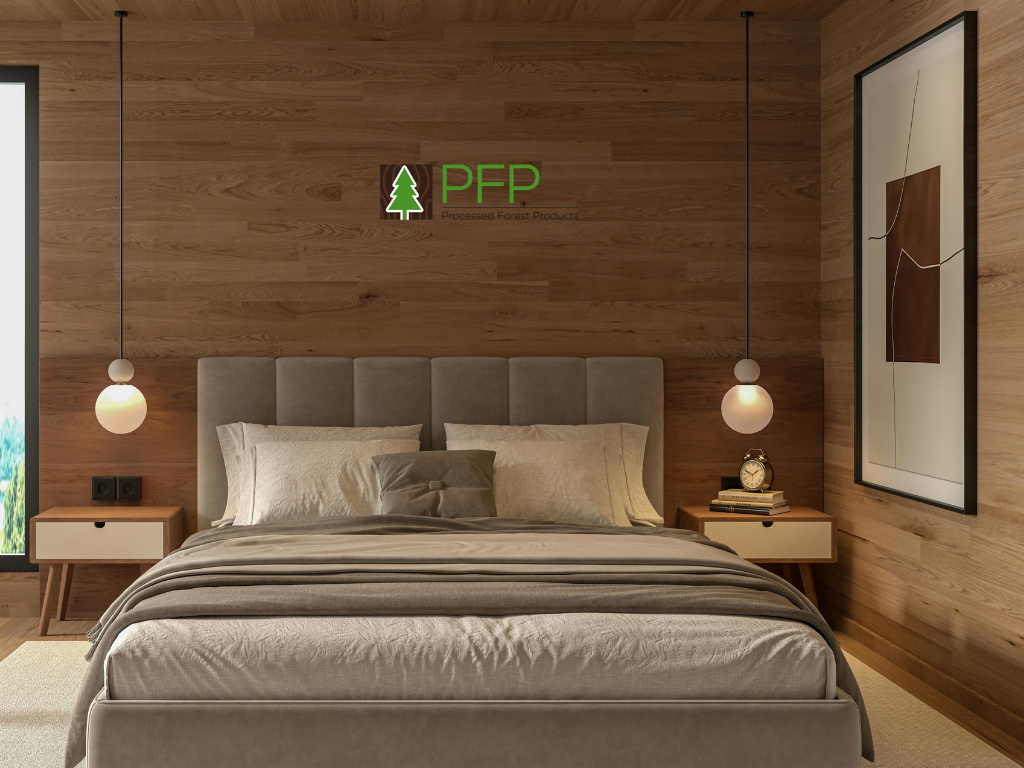
Sustainable veneer and the demand for consistent finishes
Natural variation is part of the appeal of timber, but some projects need a high level of visual consistency. Large commercial fit-outs, extensive cabinetry runs and repeated joinery elements can make differences in grain and color more noticeable.
This has increased interest in prefinished and engineered timber-look surfaces that can provide more predictable color, grain and surface characteristics. Current Australian veneer industry coverage highlights prefinished woodgrain products as one response to projects that prioritise consistency and reduced finishing work.
That does not make a highly consistent product automatically better than natural sustainable veneer. They solve different design problems. A natural veneer may be preferred when authentic variation and real timber character are central to the design, while a more controlled surface may suit a project where consistency across a large installation is the priority.
The choice becomes easier once the designer decides how much natural variation is acceptable before samples and panels are approved.
Sustainable veneer versus veneer laminate applications
The terms veneer laminate and timber veneer are sometimes used loosely, so it is worth confirming the actual construction of a product before comparing options. Natural timber veneer uses a thin layer of real wood, normally applied to a substrate. Decorative laminate and engineered wood-look products can instead reproduce timber color and grain using a manufactured surface.
Both approaches can have a place in interior design, but they should not be treated as identical. Natural sustainable veneer provides the grain variation and tactile qualities of real timber, while some laminate or engineered surfaces can provide greater consistency and particular performance characteristics. The better option depends on the application, expected wear, desired appearance, maintenance requirements and project budget.
Before making a final selection, compare physical samples and ask about timber origin, certification where required, veneer cut and matching, substrate, finish, panel dimensions and intended application. Forest Products supplies natural and reconstituted timber veneer as well as boards and other panel products from its Sydney facility, so these are useful questions to discuss when comparing materials for a residential or commercial interior.
Choosing sustainable veneer ultimately comes down to finding the right balance between appearance, responsible sourcing and practical performance. Rather than choosing a material because it follows a particular trend, start with how and where it will be used, then assess the timber, construction and documentation behind it.
For a project in Sydney or Western Sydney, contact Forest Products to discuss suitable timber veneer options, available species, panel requirements and certification needs. Comparing samples and specifications before ordering can help ensure the selected veneer works with both the design vision and the practical requirements of the finished interior.