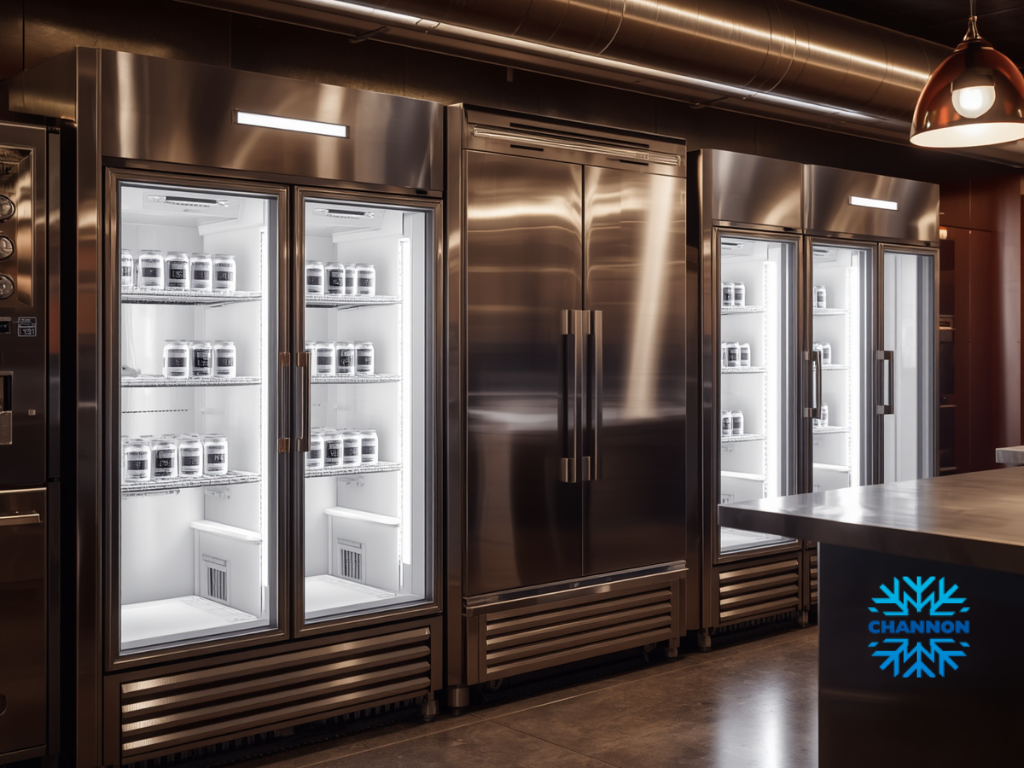
Choosing the right commercial refrigeration equipment starts with understanding what your business stores each day. A café may need space for milk, desserts, prepared food, and drinks. A restaurant may need upright fridges, freezers, prep fridges, and storage for fresh produce. A florist, butcher, bottle shop, bakery, or grocery store will have different needs again.
So, before comparing brands or prices, think about your daily stock movement. How often do deliveries arrive? How much stock do you hold at one time? Do staff open the fridge often during service? Do products need chilled, frozen, displayed, or bulk storage?
These questions matter because refrigeration is not just about keeping items cold. It also affects workflow, product quality, food safety, customer presentation, and staff efficiency.
For example, a busy takeaway store may need a prep fridge close to the service area. A bakery may need chilled storage for ingredients and display refrigeration for finished products. A growing restaurant may need a cool room instead of several separate upright fridges.
Look Beyond the Upfront Price
Price is important, but it should not be the only factor. A cheaper unit may cost less at the start, but it may not suit your space, stock volume, ventilation, or daily use. It may also be harder to service if parts are difficult to source.
When comparing commercial refrigeration equipment for sale, look at the full picture. This includes the unit size, temperature range, energy use, cleaning needs, warranty, delivery, installation, and after-sales support.
You should also think about long-term running costs. Refrigeration usually runs all day and night, so small efficiency differences can matter over time. Good seals, clear airflow, correct temperature settings, and regular maintenance can all help the unit work better.
A good buying decision should balance upfront price with practical value. The right unit should fit your business, protect your stock, and support daily operations without creating avoidable problems.
Match Refrigeration to Your Business Type
Cafés, Restaurants, and Takeaway Stores
Cafés, restaurants, and takeaway stores often need several types of refrigeration. Each unit has a different role. Underbench fridges save space and keep ingredients close to staff. Upright fridges offer larger storage capacity. Display fridges help customers see drinks, cakes, sandwiches, and grab-and-go items.
Restaurants may also need freezers, prep fridges, and cold storage for fresh ingredients. If the venue handles a large volume of food, one or more commercial modular cool rooms may be more practical than several separate fridges.
Workflow should guide the decision. Staff should be able to access chilled items quickly without blocking walkways or leaving doors open for too long. Fridges should also be placed away from heat sources where possible, such as ovens, grills, fryers, and direct sunlight.
This is where planning matters. A fridge that looks suitable online may not work well if it blocks movement, lacks ventilation space, or cannot fit through the doorway on delivery.
Retail, Grocery, Florist, and Specialty Stores
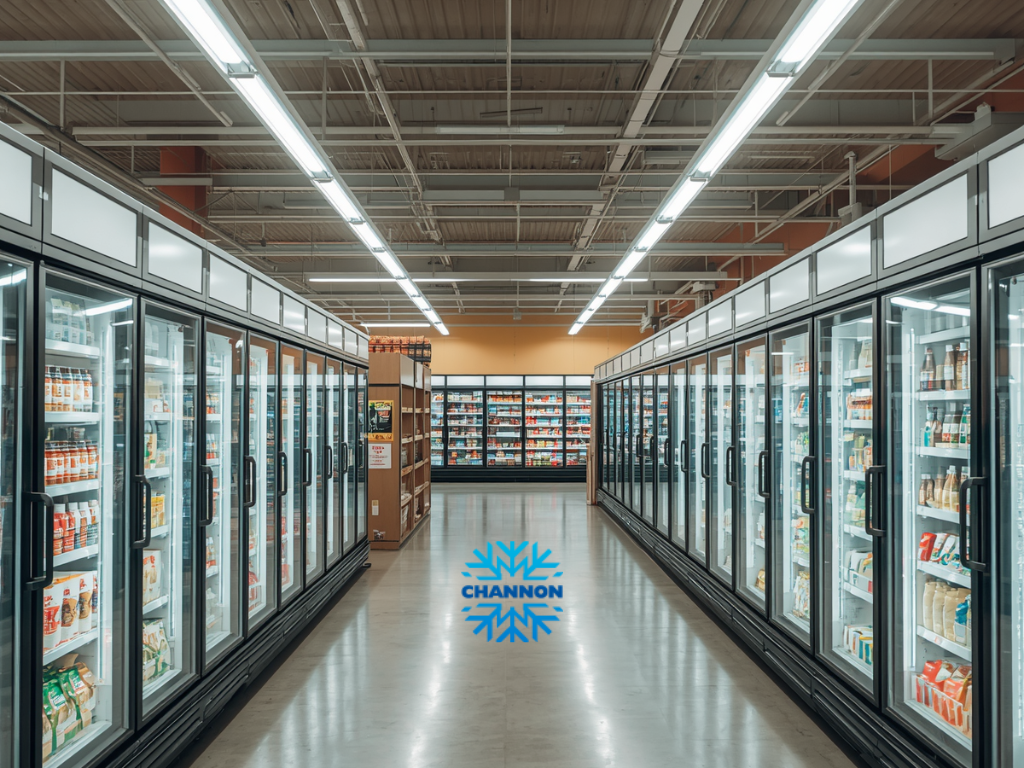
Retail and specialty businesses often need refrigeration that supports both storage and presentation. A grocery store may need open displays, glass door fridges, freezer cabinets, and a back-of-house cool room. A bottle shop may need display fridges that keep drinks cold while making products easy to browse. A florist may need controlled cool storage to help protect flowers.
Presentation matters in customer-facing spaces. Display fridges should keep products visible, easy to access, and neatly organised. However, they also need to maintain stable temperatures in real store conditions.
For specialty products such as meat, dairy, seafood, flowers, desserts, and frozen goods, it is important to choose equipment that suits the product type. Not every fridge is designed for every product. If you are unsure, speak with a supplier before buying.
Compare Fridges, Freezers, and commercial modular cool rooms
When a Standard Commercial Fridge Works Best
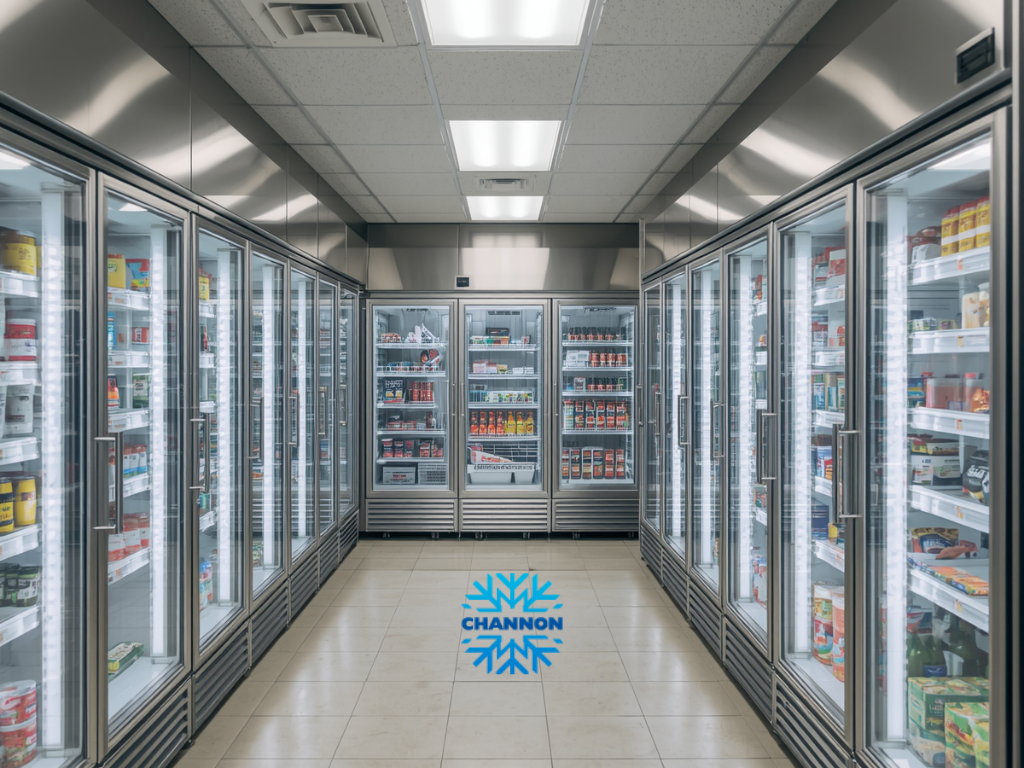
A standard commercial fridge works well when your storage needs are clear and manageable. Upright fridges suit general kitchen storage. Underbench fridges work well near prep stations. Glass door fridges are useful for drinks and display products. Prep fridges help kitchens organise ingredients close to the work area.
A standard fridge may be the right choice if you have limited floor space, smaller stock volume, or a specific storage need. It can also be useful when you want flexibility, as individual units can often be placed in different areas of the kitchen or shop.
Freezers also come in different forms. Upright freezers are easier to organise, while chest freezers can suit bulk storage. Display freezers may suit retail settings where customers need to view frozen products.
Before buying, check the internal capacity, external dimensions, shelf layout, power needs, airflow, and temperature range. Also, confirm whether the unit is suitable for commercial use, as domestic appliances are not designed for heavy business workloads.
When a Cool Room Is the Better Option
commercial modular cool rooms are often better for businesses that store larger stock volumes. They can suit restaurants, supermarkets, caterers, food producers, florists, warehouses, and stores that receive bulk deliveries.
A cool room can make stock handling easier because staff can walk in, organise shelving, and store many items in one controlled space. This may reduce the need for several separate fridges. It can also improve workflow if deliveries arrive often.
However, a cool room needs careful planning. You should consider available space, door position, shelving, insulation, drainage, access, lighting, temperature range, and installation requirements. You should also check whether the site has the right power supply and ventilation.
A cool room may be worth considering if your current fridges are always full, staff struggle to organise stock, or deliveries are becoming harder to manage.
Check Energy Use, Temperature Control, and Maintenance
Energy Efficiency Affects Long-Term Value
Energy use is one of the biggest long-term considerations for commercial refrigeration. A unit that runs poorly can affect power bills and may struggle to hold temperature during busy periods.
Good equipment selection helps, but daily habits matter too. Avoid overstocking. Keep air vents clear. Do not block fans. Check door seals. Keep doors closed where possible. Place units away from heat sources when you can. Also, make sure condenser areas are cleaned and not blocked.
If a fridge is old, noisy, leaking, icing up, running constantly, or failing to cool evenly, it may need servicing or replacement. In some cases, replacing old equipment may improve reliability and energy performance. Exact savings will depend on the unit, site, and usage, so any savings estimate should be checked with a qualified supplier or technician.
Stable Temperature Control Supports Safer Storage
Reliable temperature control is essential for food, drinks, flowers, and other sensitive products. Poor cooling can lead to waste, quality issues, and safety risks.
A good refrigeration setup should support stable temperatures when used correctly. However, the way staff use the equipment also matters. Doors should not be left open. Stock should be loaded in a way that allows air to move. Hot items should not be placed into storage unless your food safety process allows safe cooling.
Temperature checks are also important. Many food businesses use thermometers or monitoring systems as part of their food safety process. If a unit cannot hold temperature, it should be checked quickly.
Regular maintenance can also help prevent unexpected breakdowns. This may include checking seals, cleaning condensers, testing controls, and arranging servicing based on the manufacturer’s guidance.
Buying, Financing, and Rent-to-Buy Options
When Buying Outright Makes Sense
Buying outright may suit businesses that have the budget available and know what they need. It can be a good option for established cafés, restaurants, shops, and food businesses replacing old equipment or upgrading a clear part of their operation.
Ownership from the start can be simple. However, you should still check warranty terms, delivery, installation, servicing, and parts availability. A lower purchase price may not be better if support is limited.
Buying outright can make sense when:
- The equipment suits your long-term needs
- Your business has stable cash flow
- You have confirmed sizing and installation details
- The supplier offers clear warranty and support
- You do not need to preserve cash for other setup costs
This option works best when the business has already planned the space and knows the unit will fit both physically and operationally.
When commercial refrigerator financing May Help
commercial refrigerator financing may help businesses that need reliable equipment but want to manage upfront costs. This can suit new cafés, expanding restaurants, retail stores, or businesses replacing several units at once.
A rent to buy commercial fridge option may also be useful for businesses that prefer staged payments. This can help with cash flow, especially during a new fit-out or business expansion.
However, it is important to read the terms carefully. Check the total cost, payment period, ownership details, early payout options, warranty, servicing responsibilities, and what happens if the unit breaks down.
Finance should make the purchase easier to manage, not harder. Before choosing this path, compare the payment amount with your expected business use, budget, and long-term plans.
How to Choose the Right Supplier or Service
Ask Practical Product and Installation Questions
When comparing commercial refrigeration sales sydney, look for a supplier that offers practical advice, not just a product list. A helpful supplier should explain which type of refrigeration suits your business, product type, space, and budget.
Ask questions such as:
- Which unit suits my product type?
- Is this fridge suitable for commercial use?
- What size do I need for my stock volume?
- How much ventilation space is required?
- Can the unit fit through my doorway?
- Is delivery available?
- Can installation be arranged?
- What warranty applies?
- Is local servicing available?
- Are finance or rent-to-buy options available?
These questions help you compare suppliers more clearly. They also reduce the risk of buying equipment that does not fit, does not cool properly, or does not suit the way your business operates.
Compare Support Before and After Purchase
Support matters before and after purchase. Before buying, you may need help choosing between upright fridges, display fridges, freezers, prep fridges, or cool rooms. After buying, you may need help with delivery, installation, maintenance, warranty, or replacement parts.
Channon may be useful to contact when comparing commercial refrigeration equipment, commercial refrigeration equipment for sale, commercial modular cool rooms, or commercial refrigeration sydney options. This is especially helpful if you are unsure which product suits your business or whether commercial refrigerator financing would be suitable.
For Sydney and Western Sydney businesses, local support can also make the process smoother. Delivery access, installation timing, and service availability can all affect how quickly your equipment becomes usable.
When Should You Contact the Company?

Contact a Supplier Before You Buy
You should contact a supplier before buying if you are unsure about size, layout, power, ventilation, finance, or cool room requirements. Early advice can prevent costly mistakes.
It is also wise to contact a supplier when planning a new venue or renovation. Refrigeration should be considered before the final layout is locked in. This helps avoid problems with access, airflow, drainage, power points, door swings, and staff movement.
You should also ask for help if your current equipment is no longer keeping up. If fridges are always full, staff cannot organise stock, or temperatures are unstable, your business may need a different setup.
Prepare Details for a Better Recommendation
To get better advice, prepare a few details before asking for a quote. You do not need to have everything finalised, but useful information will help the supplier recommend the right option.
Prepare details such as:
- Business type
- Products being stored
- Chilled, frozen, or display needs
- Approximate stock volume
- Available floor space
- Doorway and delivery access
- Current power setup
- Whether you need a fridge, freezer, or cool room
- Preferred buying, finance, or rent-to-buy option
- Timeline and budget range
This makes the quote process easier and helps the supplier give advice that fits your real needs.
A good final step is to compare more than price. Look at product suitability, running costs, warranty, service support, installation needs, and long-term reliability. The right commercial refrigeration equipment should support your business every day, not just look good on the invoice.