Many Australian homes were built or renovated using products commonly known as Boral Roof Tiles. Homeowners may still see that name on old invoices, building records, spare tiles or online roofing pages.
The current market is different. Australian Business Register history shows that the Boral Roof Tiles business name ended in August 2022. Current product ranges are presented through brands including LUTUM and Monier, which offer concrete, terracotta and other tile options.
This does not mean every older Boral profile has an identical new replacement. A tile that looks similar from the ground may have a different interlock, nib position, width or water channel.
For this reason, choosing a replacement requires more than searching for a similar colour. The existing roof, tile profile, pitch, structure and condition must all be considered.
The following guide explains how to identify an older tile, compare current products and decide whether the roof needs a small repair, broader restoration or complete replacement.
Separate the legacy name from current product ranges
The phrase Boral Roof Tiles remains familiar to homeowners, builders and roofers, but it may refer to an older product range rather than a current catalogue.
Official business-name history records that the Boral Roof Tiles name ended in 2022. LUTUM currently promotes Australian-manufactured designer ceramic, terracotta and concrete roof tiles, while Monier’s current range includes several concrete and terracotta profiles.
Older documents may also use terms such as boral roofing, boral roof tile or boral tile. These descriptions can be helpful when researching the history of a property, but they do not provide enough information to order a replacement.
A former product name may have changed, a colour may no longer be available or a similar-looking profile may now be produced by another manufacturer. Current availability should therefore be confirmed before a repair or renovation is planned.
The safest approach is to treat the old name as the beginning of the identification process, not the final product specification.
Confirm the exact profile rather than relying on the brand
The profile describes the shape and fitting system of the tile.
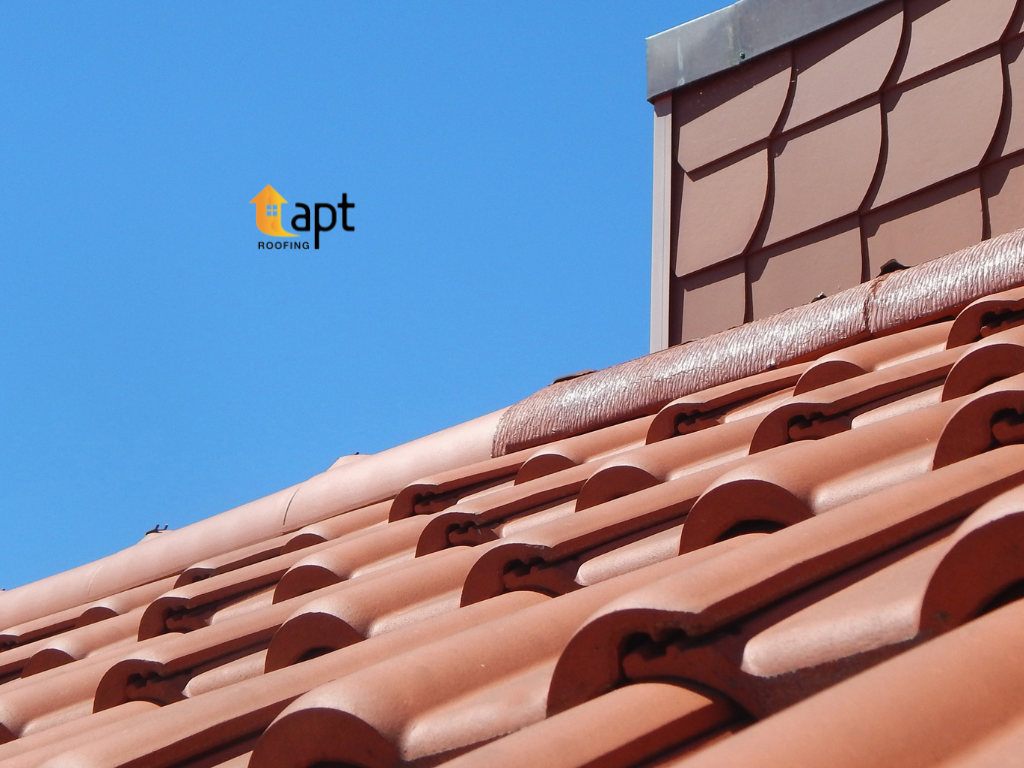
Some tiles are flat, some have a low wave and others have a more pronounced raised pattern. Current Monier ranges, for example, are organised into flat, semi-flat and raised profiles, as well as concrete and terracotta material categories.
Tiles also connect through side interlocks and overlap one another vertically. Small differences in these areas can prevent an apparently similar tile from sitting correctly.
Colour is not enough to establish compatibility. Concrete, terracotta and ceramic materials can age differently, while shade variations may occur between production batches. APT Roofing’s current tile information specifically advises that displayed colours are indicative and that batch-to-batch shade variation can occur.
Before ordering, identify the manufacturer, product name, material, profile and approximate production period where possible.
Identify the Tiles Already Installed on the Roof
Start by determining whether the existing roof uses concrete, terracotta or another tile material.
Concrete tiles are usually thicker and may have a coated surface. Terracotta tiles are made from fired clay and often show their clay colour at a broken edge. However, visual identification from the ground may not be reliable enough for ordering.
The underside of a spare or safely removed tile may contain a manufacturer name, profile code, mould number or production mark. These details can narrow the search, although a mould number should not automatically be treated as the retail product name.
Record whether the visible profile is flat, slightly curved or strongly raised. Also note whether the roof has ridges, hips, valleys, gables or other areas that require matching accessories.
Do not climb onto a roof simply to inspect a stamp. Tile roofs can be slippery, fragile and unsafe, particularly after rain, hail or storm damage. Use an existing spare tile or arrange a professional inspection when the product cannot be identified safely.
Use measurements, photographs and spare samples
Clear photographs can help a supplier or roofer compare an older product with current or reclaimed options.
Photograph the front surface, underside, side interlock, top nib and lower edge. Include a ruler or tape measure so the approximate length and width can be seen.
A spare sample is even more useful because it allows the profile and locking points to be compared directly. Do not assume that a tile fits merely because its external dimensions are close.
For a localised repair, the replacement needs to sit correctly with the surrounding tiles and maintain the intended water path. An incorrect interlock may leave an uneven surface or allow water to enter during wind-driven rain.
Older or discontinued products may sometimes need to be sourced through reclaimed-tile suppliers rather than a current manufacturer. The condition of a reclaimed tile should still be inspected before it is installed.
When several tiles are damaged, ask whether enough compatible material is available to complete the work and retain a small number of spares.
Compare Current Tile Materials and Designs
Consider concrete, terracotta and designer roof tiles
Current tile catalogues provide several material and design choices.
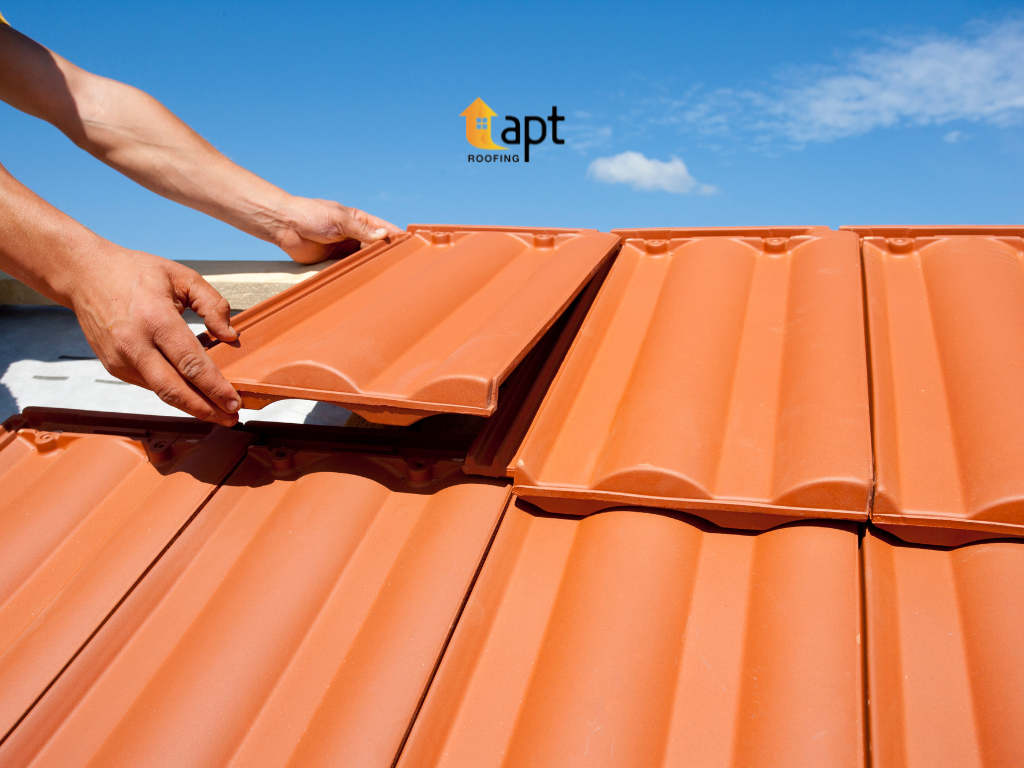
LUTUM currently lists designer ceramic, terracotta and concrete products. Its published ranges include flat, angular, curved and traditional profiles. Monier’s current catalogue also includes concrete and terracotta products arranged by collection, colour and profile.
Concrete may suit homeowners seeking a broad choice of profiles and colours at a particular project budget. Terracotta can provide natural fired-clay colour and is commonly considered for both traditional and contemporary designs.
Designer roof tiles often use flatter or more streamlined profiles. They may suit modern architecture, but appearance should not be the only selection factor.
Product weight, minimum roof pitch, fixing requirements, local availability and compatibility with the roof structure must also be reviewed. Exact product data should come from the current manufacturer’s technical documentation rather than an older brochure.
The material should also suit the complete roof design, including flashings, ridges, valleys, gutters, ventilation and sarking.
Match the profile, colour and finish to the property
A roof covers a large visible area, so profile and colour can significantly affect how a home looks from the street.
A raised or traditional profile may complement a Federation, Californian bungalow or Mediterranean-inspired home. A flat or low-profile tile may suit a more contemporary building.
However, architectural style is only part of the decision. The product must also suit the roof pitch and installation requirements.
Current technical information shows that minimum pitch can vary between profiles, and sarking may be required depending on the pitch and rafter or truss length. The National Construction Code also sets requirements for tile fixing, sarking and wind conditions.
View a physical sample before making the final colour decision. Screen settings, photography and sunlight can all change how a colour appears.
It is also sensible to view the sample beside the home’s walls, gutters, fascia, windows and surrounding materials.
Decide Whether to Repair, Restore or Replace
A roof repair normally addresses a defined problem.
This may involve replacing several broken tiles, repairing a valley, correcting flashing or attending to a local leak. A small area of storm or impact damage does not automatically mean the entire roof needs replacement.
Restoration usually covers a broader group of maintenance tasks. Depending on the roof, it may include cleaning, replacing damaged tiles, repairing ridge bedding or pointing and applying suitable surface treatments.
A restoration cannot correct every problem. It should not be used to hide failed flashings, damaged framing, widespread tile failure or persistent water entry without addressing the cause.
Replacement may be considered when damage is widespread, leaks continue to return or the existing system cannot be repaired reliably with available materials.
The decision should follow a roof inspection that identifies the location and cause of the problem. Stains on a ceiling do not always sit directly beneath the external entry point because water can travel along framing and underlay.
Review pitch, battens, sarking and structural suitability
The roof is a complete system rather than a decorative outer layer.
Tiles depend on battens, fixings, flashings, ridge components and suitable structural support. Sarking may also be required according to roof pitch, rafter length, product instructions and building requirements.
The National Construction Code includes separate requirements for tiled roofing, including fixing patterns in different wind classes and sarking requirements linked to pitch and roof dimensions.
When changing from one tile product to another, confirm that the new tile suits the existing pitch and batten layout. The weight and loading should also be assessed where the roofing system is being substantially changed.
A new profile may require different batten spacing or accessory components. These details should be included in the quotation rather than left as assumptions.
Where the roof frame has sagging, water damage or previous alterations, further structural advice may be required before re-roofing begins.
Compare Roof Tiles With Corrugated Metal Roofing
Examine the practical differences between both systems
Roof tiles and corrugated metal roofing can both suit Australian homes, but they use different construction systems.
The right choice depends on the roof pitch, framing, building style, local exposure, maintenance expectations and the extent of work required.
Tile roofing uses individual overlapping units supported by battens. Metal sheet roofing uses longer sheets with profile-specific fixing, span and drainage requirements.
The National Construction Code addresses sheet roofing and tiled roofing separately. Metal roofing profiles must meet applicable minimum-pitch, span, fastening and material-compatibility requirements, while tile roofs have their own fixing and sarking provisions.
Homeowners should avoid choosing solely on broad claims that one material is always quieter, cooler, lighter or more durable. The performance of the roof also depends on insulation, ventilation, underlay, roof colour, ceiling design and installation quality.
A site-specific comparison is more useful than a general material ranking.
Compare the full installation scope rather than material alone
The visible roofing material may be only one part of the project cost.
A re-roofing quotation may need to cover removal and disposal, scaffolding, battens, sarking, insulation, flashings, ridges, valleys, ventilation, gutters and temporary weather protection.
Changing from tile to metal can involve different support, flashing and fixing requirements. Changing from metal to tile may require confirmation that the structure can support the proposed system.
Ask each contractor to describe the complete scope. Two quotations may appear different because one includes essential supporting work and the other lists only the roof covering.
Product warranties and workmanship warranties should also be explained separately. Confirm who provides each warranty, what conditions apply and whether registration is required.
The best comparison is between complete compliant roofing systems, not the price of individual tiles or sheets.
Plan Storm Repairs and Insurance Work Carefully
Storm damage can involve broken tiles, displaced ridge components, damaged flashing or water entry.
Safety should come first. Do not climb onto a wet or unstable roof, and do not enter an area where the ceiling is sagging or electrical equipment has been affected by water.
Take photographs and videos from safe locations. Record damaged rooms, ceilings, external roofing and any temporary measures taken to prevent further loss.
People researching roofing insurance australia should check their own Product Disclosure Statement and speak directly with their insurer. Coverage, exclusions, excesses and repair arrangements vary between policies.
The Insurance Council of Australia advises property owners to tell their insurer about roof damage and obtain guidance before authorising building work. It also recommends seeking written permission because unauthorised repairs may not be covered.
Moneysmart similarly advises contacting the insurer before spending money on temporary repairs and documenting the original damage with photographs and videos.
Confirm how legacy or discontinued tiles will be handled
An insurance repair involving an older roof may raise questions about material matching.
The existing tile may no longer be produced, or a current product may have a different colour, profile or locking system. Ask the insurer or appointed assessor how the repair scope will address this issue.
Moneysmart explains that an approved building claim should include a written scope or statement of works identifying what will be repaired, what will not be repaired and which materials will be used.
Review that document carefully. Check whether it covers only the visibly broken tiles or also addresses related flashing, underlay and water damage.
Do not assume that an insurance policy will fund a complete roof replacement simply because an exact colour match is unavailable. The outcome depends on the policy, cause of damage, assessment and approved scope.
Where an insurer offers a cash settlement, consider whether the amount covers the complete work and whether you are prepared to select and manage the contractor yourself.
Know When to Contact APT Roofing
Ask for help with matching and current product options
APT Roofing may be contacted when a Sydney homeowner cannot identify an existing tile, needs a roof inspection or wants to compare tile and metal options.
Its current website presents Monier roof-tile ranges, LUTUM concrete products and Colorbond displays. It also lists services covering roof repair, restoration, re-roofing, new installation and insurance-related roofing projects. Current showroom displays, product stock and individual profile availability should be confirmed before visiting.
Contact is particularly useful when an older Boral tile cannot be matched from photographs, when several roof areas are failing or when a renovation requires a new profile to work with an existing building.
A roofer can inspect the roof pitch, battens, flashings and general condition before recommending repair or replacement.
The final recommendation should be based on the roof rather than the product name alone.
Prepare useful information before requesting an inspection
Before contacting APT Roofing, gather any available invoices, building plans or spare tiles.
Provide clear photographs of the roof, damaged areas and underside markings on a spare tile. Explain whether the concern involves a leak, storm damage, an extension, widespread deterioration or a planned change of material.
Mention the approximate age of the roof and any previous restoration, solar installation or repair work.
For an insurance project, explain whether a claim has been lodged and whether the insurer has issued a scope of works. Avoid authorising non-emergency work until the insurer’s requirements are understood.
Ask APT Roofing to confirm the identified profile, current replacement options, technical requirements, proposed scope, material warranty and workmanship terms.
A careful identification process can prevent ordering the wrong tiles and help the homeowner compare repair, re-roofing and metal-roof alternatives on a fair basis.
Boral Roof Tiles may now be a legacy name, but many roofs carrying those products remain in service. Understanding what is already installed is the most reliable starting point for protecting the home and choosing a suitable current roofing system.