WordPress development gives Australian small businesses a flexible way to create professional websites that showcase their services, attract enquiries and support everyday operations. Whether you are launching a new business, replacing an outdated website or expanding your online presence, choosing the right platform is an important decision.
WordPress is a widely used content management system that allows businesses to manage website pages, publish articles and add functionality as their needs change. It can support everything from straightforward service websites to customised business applications and online stores.
However, WordPress is not automatically the right choice for every project. Website ownership, design requirements, ongoing maintenance and integration needs should all influence the decision.
This guide explains what WordPress offers, how it compares with other platforms and what Australian businesses should consider when selecting a website development service.
Understanding WordPress Development for Small Businesses
What Does WordPress Development Involve?
WordPress development involves planning, designing, building and configuring websites using the WordPress content management system.
A developer may work with an existing theme, customise page layouts, create additional functionality or develop a website around specific business requirements.
For a small business, this could mean creating service pages, contact forms, appointment booking features or an online product catalogue.
Professional development also involves technical considerations such as website structure, mobile responsiveness, accessibility, performance and security.
Some projects can be completed using established themes and plugins. Others require custom development to achieve the desired functionality.
The appropriate approach depends on what the website needs to accomplish, how frequently it will change and the resources available to maintain it.
Why Businesses Choose WordPress for Their Websites
One advantage of WordPress is its flexibility.
Businesses can publish new pages, update service descriptions, replace images and manage blog content through an administrative dashboard.
With suitable permissions and training, staff can perform routine content updates without requesting developer assistance every time.
WordPress also supports a broad range of plugins and integrations, allowing businesses to introduce additional functionality when needed.
For Australian service providers, this can be useful when maintaining current service information, publishing helpful articles or introducing new enquiry options.
Website ownership is another consideration. With a self-hosted WordPress installation, businesses can generally choose their hosting provider and manage their website files and database, subject to their agreements and software licences.
However, wordpress development also requires ongoing technical maintenance, including updates, backups and security management.
Designing a Website That Supports Business Goals
How UI UX Design Improves Website Usability
A business website should make it easy for visitors to understand what the company offers and how to take the next step.
UI UX Design considers both the visual interface and the experience of using the website.
This includes navigation menus, page layouts, readable typography, mobile responsiveness and the placement of important information.
For example, someone visiting a local plumbing or accounting website should be able to identify the relevant service and find contact details without searching through unnecessary pages.
Clear design also helps reduce confusion when visitors complete forms or request quotations.
In wordpress development, these decisions influence theme selection, page templates and any custom interface components.
A visually appealing website is valuable, but practical usability should remain a priority.
Building Service Pages That Attract the Right Customers
Well-organised service pages help visitors understand what a business provides and whether those services meet their needs.
Each important service should have enough information to explain what is offered, who it is suitable for and how customers can enquire.
A small business website may also need an About page, contact page, frequently asked questions and relevant supporting resources.
For businesses operating in Sydney or Western Sydney, genuine service area information can help customers determine whether the business serves their location.
However, location pages should provide meaningful local information rather than repeating identical content with different suburb names.
Effective wordpress development supports these content requirements through clear site architecture, consistent page layouts and straightforward navigation.
The objective is to help real visitors make informed decisions while giving search engines a clear understanding of the website’s content.
Managing Content, SEO and Website Performance
How WordPress Development Supports Content Management
Small business websites need to remain accurate as services, products and operating information change.
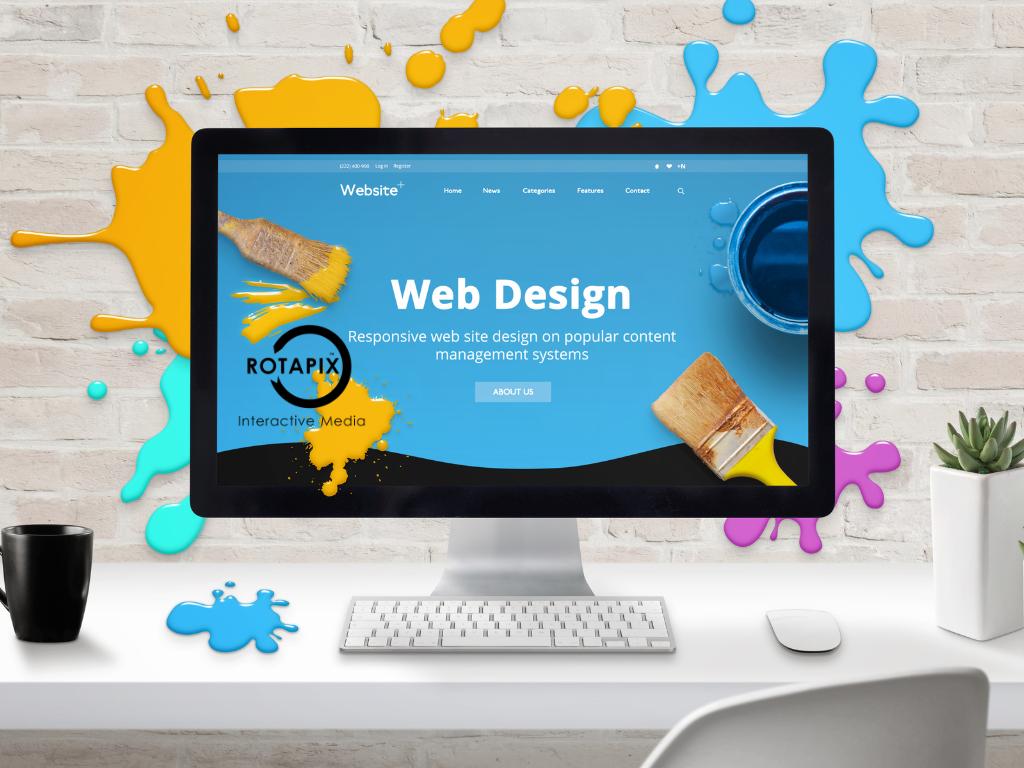
WordPress provides an administrative interface for updating pages, publishing articles and managing media.
Its block editor allows authorised users to work with different content elements, including headings, paragraphs, images and reusable layouts.
User roles can help businesses control who is permitted to edit, publish or administer website content.
For organisations publishing regular updates, a consistent content structure can make website management more efficient.
Professional wordpress development should consider how staff will maintain the website after launch.
Clear page templates, appropriate permissions and basic training can reduce unnecessary reliance on technical support for routine changes.
Improving Website Speed, Mobile Experience and SEO
Website performance affects how easily visitors can use a business website.
Slow-loading pages, oversized images and poorly configured plugins can make navigation frustrating, particularly on mobile devices.
WordPress performance can be improved through suitable hosting, image compression, caching and efficient theme development.
Google’s Core Web Vitals provide useful measures of loading performance, responsiveness and visual stability.
Technical SEO also involves clear page titles, descriptive URLs, internal linking and logical heading structures.
These elements help search engines understand website content while supporting a better experience for visitors.
However, wordpress development alone does not guarantee higher Google rankings.
Search visibility also depends on useful content, competition, relevance and other factors beyond the website’s technical setup.
Turning Website Visitors Into Customer Enquiries
Using WordPress Development for Lead Generation
A business website should provide clear opportunities for visitors to make contact.
Depending on the organisation, this may involve enquiry forms, quotation requests, appointment bookings or direct telephone links.
For example, a professional services website might offer a consultation request form, while a trades business may need customers to submit basic project details.
Forms should be straightforward and collect only the information necessary for the enquiry.
Reliable email delivery, form validation and spam protection are also important.
WordPress development can support these requirements through suitable plugins or custom functionality.
Businesses should test the complete enquiry process to confirm that submissions are received, notifications work and customers understand what happens next.
Connecting WordPress With Business Software
Many Australian businesses already use software to manage customers, appointments, marketing and internal administration.
WordPress can connect with selected CRM systems, email marketing platforms, booking tools and payment services.
These integrations may help reduce duplicate data entry and improve the flow of information between website enquiries and internal processes.
For example, an approved integration could transfer submitted enquiry details into a CRM for follow-up.
Some connections can be configured through existing plugins, while more specialised requirements may need custom development.
Businesses should consider data handling, permissions, subscription costs and ongoing compatibility before introducing integrations.
A well-planned wordpress development project should account for how the website fits into the organisation’s existing technology environment.
Comparing WordPress With Other Website Platforms
WordPress vs Shopify and BigCommerce for Online Stores
WordPress can support ecommerce through WooCommerce, which adds product management, shopping carts and checkout functionality.
This approach can suit businesses that want an online store alongside flexible website content and customisation.
However, Shopify and BigCommerce are also established ecommerce options.
These platforms provide managed commerce environments, although their features, subscription arrangements and customisation options differ.
A Shopify Developer may be appropriate when a retailer wants specialised storefront functionality or integrations within Shopify.
Similarly, a Big Commerce Developer can assist businesses that need to configure or extend a BigCommerce store.
When comparing these options, consider product complexity, payment requirements, ongoing costs, integrations and available technical support.
WordPress development with WooCommerce may be suitable for some retailers, but a dedicated commerce platform may be more practical for others.
When Custom Web Development or Laravel Makes Sense
Not every business requirement can be addressed effectively through a standard content management system.
Some organisations need specialised customer portals, internal management applications or complex workflows involving several business systems.
These requirements may call for custom Web development rather than a conventional website.
Laravel is a PHP framework commonly used to develop tailored web applications with specific business logic and functionality.
A Laravel Developer may be appropriate when an organisation needs software that extends significantly beyond standard website content management.
WordPress and Laravel serve different purposes, although they can sometimes be used together within a broader technology environment.
Businesses should assess their required features before deciding whether a CMS, ecommerce platform or custom application is the most suitable solution.
Choosing the Right WordPress Development Service
What to Look for in a WordPress Development Provider
Choosing a website developer involves more than comparing visual designs or quoted prices.
Businesses should assess technical experience, communication, development processes and the support available after launch.
A suitable provider should be able to explain how the website will be structured, what functionality is included and how ongoing maintenance will be handled.
Experience with responsive design, SEO fundamentals, security and integrations can also be relevant.
Rotapix provides WordPress development services for businesses requiring customised websites, responsive layouts and additional website functionality.
Its broader web solutions include website development, UI/UX design, ecommerce platforms and custom applications.
For Australian small businesses comparing providers, it is useful to choose a team that understands both the website’s technical requirements and its intended business purpose.
Questions to Ask Before Starting a Website Project
Before approving a development quotation, businesses should clarify what the project includes.
Important considerations include the number of pages, design requirements, content preparation, form functionality, integrations and testing responsibilities.
Website ownership should also be discussed.
Confirm who will control the domain registration, hosting account, administrative access and any relevant software licences.
Ask whether the quotation includes mobile testing, basic SEO configuration, staff training and launch support.
It is equally important to understand which services will be charged separately after the website goes live.
When considering a wordpress development specialist or a broader Web development agency, the right choice will depend on the complexity of the project and the type of ongoing assistance required.
Clear expectations help reduce misunderstandings and make development proposals easier to compare.
Planning for Website Costs, Security and Future Growth
Understanding WordPress Development and Ongoing Costs
The cost of developing a WordPress website depends on its design, functionality and technical requirements.
A straightforward informational website will generally involve different development work from a customised business website with multiple integrations or ecommerce features.
Costs may include website planning, visual design, content preparation, custom functionality, testing and deployment.
Businesses should also budget for ongoing requirements such as hosting, domain registration, premium software licences and maintenance.
Some websites require additional technical support for content changes, security monitoring or future enhancements.
When comparing quotations, review the scope of work rather than focusing only on the initial price.
A lower-cost proposal may exclude services that the business will need later.
Good wordpress development planning should therefore account for both initial implementation and ongoing website management.
Maintaining a Secure and Scalable Business Website
Launching a website is only the beginning of its operational lifecycle.
WordPress requires ongoing attention to software updates, plugin compatibility, backups and security controls.
Businesses should use appropriate administrative permissions, strong authentication and reliable backup procedures.
Regular testing is also important after updates, particularly for contact forms, ecommerce functions and third-party integrations.
As a business grows, its website may need additional service pages, improved hosting capacity or connections to new software.
A well-structured website can make these changes easier to manage without requiring a complete rebuild for every new requirement.
Rotapix supports Australian businesses through web development and related website services, including ongoing maintenance and updates.
Businesses planning a new website or reviewing an existing one can explore Rotapix’s website development solutions to discuss their requirements.
Ultimately, WordPress is a practical option for many small business websites when its flexibility, content management capabilities and maintenance requirements align with the organisation’s goals.
Choosing the right development approach, provider and ongoing support arrangements can help businesses create a website that remains useful as their services and customer needs evolve.