
Choosing the right mobility aid from a medical equipment store starts with understanding what kind of support is actually needed. A walking stick, rollator, wheelchair or bathroom aid may all help with day-to-day independence, but they solve different problems. The safest and most useful choice depends on balance, strength, walking distance, home layout, intended use and whether a health professional has recommended a particular type of support.
Healthdirect advises that mobility aids can make everyday movement easier and safer and may include walkers, wheelchairs, scooters and other equipment. It also notes that mobility aids can be bought, rented or accessed through government programs, often with help from a health professional.
For Australian buyers comparing medical equipment, the goal should not be to simply choose the most advanced product. It should be to find equipment that matches the person’s actual needs and can be used safely in the environment where it will be required.
How a Medical Equipment Store Can Help Define Your Needs
A medical equipment store can show you different mobility products, but the first question should be what problem you are trying to solve.
Some people need only a small amount of extra balance when walking. Others may tire quickly over longer distances or need a more stable frame that supports them while moving around the home.
There is also an important difference between equipment needed temporarily after an injury and equipment intended for ongoing daily use.
Healthdirect explains that mobility aids are used by older people, people with disability, people with chronic conditions and people recovering from injuries. The type of aid required therefore varies significantly from one person to another.
A useful medical equipment discussion should consider where the person has difficulty moving, how far they usually walk and whether the equipment will mainly be used indoors, outdoors or both.
Balance is another key consideration.
A person who needs occasional support may have different requirements from someone who relies on the equipment for most movement. If there is uncertainty about the safest option, an occupational therapist, physiotherapist or other appropriate healthcare professional can provide individual advice.
The purpose of visiting a medical equipment store should therefore be to narrow the options around a clearly understood need rather than choosing a product purely on appearance or price.
What to Discuss With a Medical Equipment Store Before Buying
Before buying from a medical equipment store, it helps to explain how the equipment will actually be used.
For example, tell the supplier whether the aid needs to fit through narrow hallways, travel in a car, be folded regularly or handle outdoor surfaces.
If the person will use a walker mainly inside a compact home, overall width and turning space can be just as important as the amount of support it provides.
If the equipment will be used outside, wheel size, brakes, stability and the type of ground may become more important.
It is also worth discussing how often the aid will be used.
Someone who needs equipment for a short recovery period may have different priorities from someone using it every day.
Where professional advice has already been provided, take those measurements or recommendations with you. This can make it easier to compare suitable healthcare equipment without relying on guesswork.
For people using NDIS funding, current guidance also encourages participants to seek advice before buying assistive technology, even where the item is considered low cost and low risk. The NDIS notes that an assistive technology advisor can help determine whether an item is appropriate and offers value for money.
Compare Walking Sticks, Frames and Rollators
Choosing Walking Support at a Medical Equipment Store
A medical equipment store may carry several types of walking support, and each offers a different level of assistance.
A walking stick or cane provides relatively light support and may suit someone who needs help with balance or confidence while walking.
A basic walking frame provides more contact with the ground and may offer greater stability for someone who needs more support.
A rollator typically uses wheels and often includes hand brakes, making it easier to move continuously without lifting the frame with each step.
The NDIS lists walking sticks, canes and four-wheeled walker frames among examples of low-cost assistive technology.
The important point is that these products are not interchangeable.
A person who would benefit from the stability of a frame may not receive enough support from a walking stick. Conversely, a larger rollator may be unnecessarily difficult to use in a very small home.
This is why a medical equipment store comparison should begin with the level of support required and the environment where the product will be used.
Comfort and confidence matter too. A product that technically fits but feels awkward may not be used consistently.
How a Medical Equipment Store Helps With Fit and Adjustability
Fit is one of the most important considerations when choosing walking equipment from a medical equipment store.
Handle height affects posture and comfort. If a walking aid is too high or too low, it may be difficult to use properly.
Width also matters.
A rollator may look manageable in a showroom but still be too wide for a bathroom doorway or narrow hallway.
For wheeled equipment, look at the brakes and make sure the controls are easy for the user to reach and operate.
If the product includes a seat, check whether the height and width are suitable for the intended user and whether the stated weight capacity meets their needs.
Health equipment should not be selected from one specification alone.
Height, weight capacity, overall dimensions, grip comfort, folding mechanism and manoeuvrability all contribute to whether the product is practical.
If the user has significant balance, strength or mobility limitations, professional fitting or assessment may be appropriate before purchase.
That is particularly important where incorrect equipment could increase the risk of falls rather than reduce it.
Know When a Wheelchair May Be More Suitable
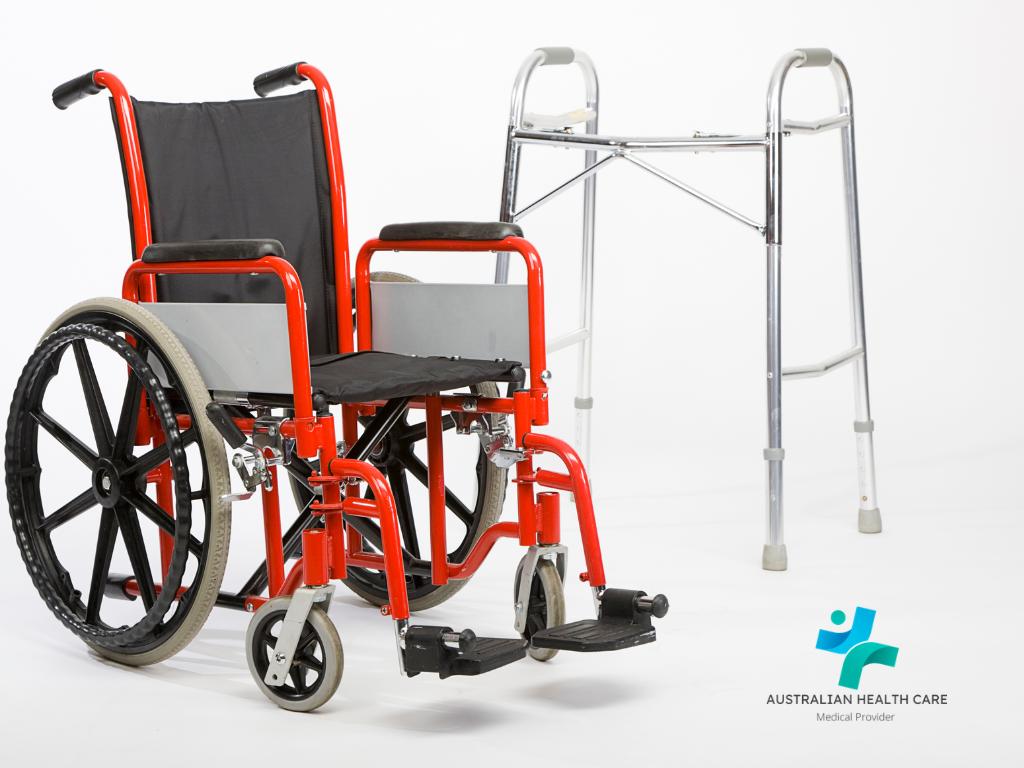
When to Ask a Medical Equipment Store About Wheelchairs
A medical equipment store may recommend looking at wheelchair options when walking aids no longer provide enough support for the distance or activity involved.
This does not necessarily mean a person cannot walk at all.
Some people may walk short distances around the home but need a wheelchair for shopping centers, appointments, travel or longer outings because of fatigue or reduced endurance.
Healthdirect includes wheelchairs among common mobility aids and recommends getting help from a health professional where necessary to select equipment safely.
A wheelchair may therefore complement other mobility equipment rather than replace it completely.
Before choosing one, think about who will propel it.
A self-propelled manual wheelchair has different requirements from a transit wheelchair intended to be pushed by another person.
If the wheelchair will travel in a car, folded dimensions and lifting weight also become important.
For frequent or complex use, seating position and pressure management may require professional assessment.
The right medical equipment store should help you understand product specifications, but clinical decisions about posture, positioning and long-term use may need input from an occupational therapist, physiotherapist or other qualified professional.
Comparing Wheelchair Options at a Medical Equipment Store
When comparing wheelchairs in a medical equipment store, start with seat dimensions and overall user fit.
A wheelchair that is too narrow can be uncomfortable, while one that is unnecessarily wide may be more difficult to manoeuvre through doors and confined spaces.
Weight capacity should always be checked against the manufacturer’s specification.
Portability is another major consideration.
Some wheelchairs use lightweight aluminum frames and folding designs to make transport easier. Others may be heavier but offer different seating or structural features.
Australian Health Care, for example, currently lists folding transit, manual and lightweight wheelchair options within its mobility equipment range.
That variety highlights why buyers should compare more than price.
Think about whether the wheelchair will be used every day or occasionally, whether another person will be pushing it and how often it needs to be lifted into a vehicle.
For powered mobility, the decision becomes more complex because battery range, controls, charging and the user’s ability to operate the equipment safely must also be considered.
In those situations, professional assessment may be especially useful before making a purchase.
Think About Mobility Around the Home
Home Safety Products Available From a Medical Equipment Store
A medical equipment store often supplies more than walking aids.
Mobility around the home can also depend on bathroom equipment, toileting support, grab rails, shower chairs, transfer aids and other healthcare equipment.
This is especially important because the difficulty may not be walking through the home itself. It may be getting safely into the shower, standing from the toilet or transferring between furniture and mobility equipment.
Australia’s current Support at Home Assistive Technology and Home Modifications scheme includes mobility equipment such as walking sticks, walking frames and wheelchairs for eligible participants based on assessed need.
The NDIS also includes products such as shower chairs and handrails among examples of assistive technology.
This means mobility should be viewed as a complete daily routine.
A walking aid may help someone reach the bathroom, but other medical equipment may still be needed once they are there.
When comparing products, think about where movement becomes difficult and what type of support would make that particular task easier and safer.
Choosing Indoor Medical Equipment Store Products for Small Spaces
Indoor equipment from a medical equipment store needs to suit the home as well as the user.
This is particularly important in older homes, apartments and smaller bathrooms where there may be limited turning space.
Measure important doorways and hallways before purchasing wider mobility equipment.
Also look at where furniture is positioned and whether there is enough space to approach beds, toilets and shower areas safely.
Flooring can affect equipment choice too.
A product that works well on a smooth indoor floor may behave differently on thick carpet, outdoor paving or uneven surfaces.
Bathroom layouts deserve particular attention because space can be restricted and surfaces may become wet.
A medical supply store can provide product dimensions, but buyers should compare those dimensions with their actual home before ordering.
If major modifications are needed, such as permanent rails or structural changes, professional assessment may be appropriate.
The goal is to avoid buying health equipment that is suitable in theory but difficult to use in the place where it is most needed.
Look Beyond Mobility to Other Daily Support Needs

Other Healthcare Products From a Medical Equipment Store
A medical equipment store may also support needs that extend beyond mobility.
Depending on the supplier, product categories can include pressure care, bathroom equipment, rehabilitation aids, urology supplies and other home-care products.
Australian Health Care currently lists mobility equipment, home care equipment, pressure care products, physical rehabilitation equipment and urology supplies among its available categories.
This can be useful where a person or carer is managing several daily support needs rather than purchasing a single walking aid.
For example, someone with reduced mobility may also need bathroom safety equipment or products that support pressure care.
Another person may require urology supplies as part of a broader home-care routine.
These products should still be selected according to their individual purpose.
A broad medical equipment range is useful because it gives buyers more options, but it does not mean every product is appropriate for every person.
Where products involve clinical needs, skin integrity, continence management or other health considerations, follow advice from an appropriate healthcare professional.
When a Medical Equipment Store Can Supply TENS Devices
Some medical equipment store ranges also include TENS devices.
TENS stands for transcutaneous electrical nerve stimulation. Healthdirect describes TENS as a method of pain relief in which a portable battery-powered device sends small electrical currents through electrodes placed on the skin.
A small TENS machine can be convenient for home use because the device is portable, but this does not mean it is suitable for everyone.
Healthdirect advises people to seek advice from a healthcare professional before using TENS for the first time. It also lists situations where TENS should not be used, including by people with pacemakers or other implanted heart devices, and advises additional caution during pregnancy and with certain medical conditions.
A medical TENS machine should therefore be treated as a medical device, not simply as another electrical accessory.
The Therapeutic Goods Administration lists TENS systems on the Australian Register of Therapeutic Goods as medical devices.
When buying one, check the specific product instructions and seek professional advice regarding electrode placement, settings and whether TENS is appropriate for the type of pain involved.
Australian Health Care currently lists a rechargeable TENS machine within its medical product range, but suitability should still be based on individual needs and appropriate health advice rather than product availability alone.
Decide Whether to Buy, Hire or Trial Equipment
Buying Versus Hiring From a Medical Equipment Store
Buying from a medical equipment store makes sense when the item is likely to be used regularly over a longer period and the buyer is confident that the equipment is suitable.
Hiring can make more sense when needs are temporary or changing.
For example, someone recovering from surgery may only require equipment for several weeks. Another person may need temporary equipment while waiting for their usual mobility aid to be repaired or replaced.
Current NDIS guidance says renting assistive technology may be appropriate when needs are changing quickly, when the item is required for a short period or when someone wants to trial equipment for longer before deciding whether to buy it.
Cost alone should not determine the decision.
A lower purchase price can look attractive, but buying the wrong equipment may cost more than hiring or trialling the correct item first.
Ask the medical equipment store about rental periods, maintenance responsibilities, return conditions and whether trial arrangements are available.
If funding is involved, confirm what your program or plan allows before entering an agreement.
Why a Medical Equipment Store Trial Can Help Before Buying
A trial through a medical equipment store can help reveal practical issues that are difficult to judge from specifications alone.
A walker may appear suitable until the person tries using the brakes.
A wheelchair may seem compact until it is tested through the home’s narrowest doorway.
A seat may look comfortable initially but feel very different after longer use.
The NDIS encourages trials for assistive technology that someone has not used before and advises working with an assistive technology advisor to determine whether the product is safe and appropriate.
Trialling is especially valuable for larger or more expensive medical equipment.
It allows the user, carer and professional advisor to see whether the product actually fits the person’s daily routine.
Ask the supplier how the trial works, whether there is a fee and whether any trial payment can be credited toward the purchase if the item is ultimately bought.
A medical equipment store should also explain the condition in which the product needs to be returned.
That makes the decision more informed and reduces the risk of committing to unsuitable equipment.
Choose a Supplier That Can Support You After Purchase
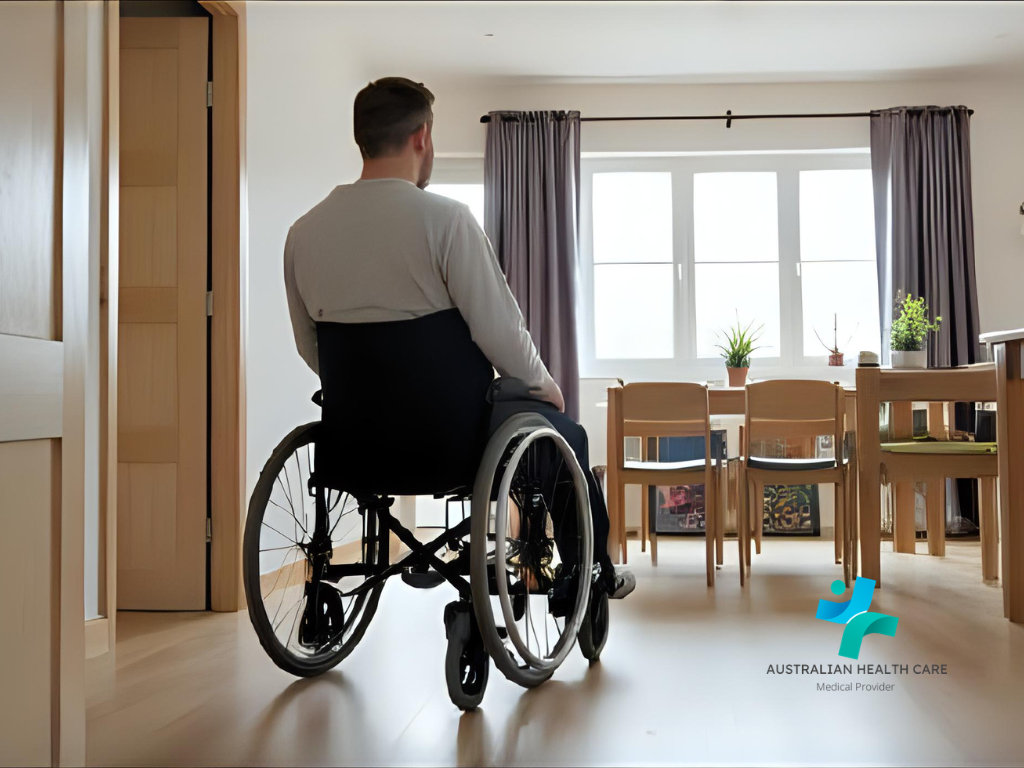
What to Look for in a Medical Equipment Store
A medical equipment store should make it easy to understand what you are buying.
Look for clear product specifications, dimensions, weight capacities and instructions about intended use.
For mobility products, availability of replacement parts or servicing can also matter over time.
A medical supply store with a broader range may make comparison easier because buyers can look at several types of medical equipment rather than being directed toward one product category.
Australian Health Care currently supplies mobility equipment and devices, bathroom medical equipment, home-care products, rehabilitation equipment, pressure care items and other health equipment online for Australian customers.
For someone comparing mobility aids, that range can be useful when the need extends beyond one product.
However, the supplier should never replace appropriate clinical advice.
If you are unsure what level of mobility support is safe, speak with a healthcare professional before purchasing.
The best supplier relationship combines clear product information with realistic guidance about when professional assessment is needed.
Questions to Ask a Medical Equipment Store Before Ordering
Before placing an order with a medical equipment store, confirm the details that directly affect safe and practical use.
Ask about the product’s overall dimensions, weight capacity, adjustability and intended user.
For equipment that folds, find out the folded size and weight if it will regularly be transported in a vehicle.
Check warranty and returns information and whether the product can be trialled before purchase.
For higher-cost or more complex mobility equipment, ask whether professional fitting or assessment is recommended.
If you are accessing equipment through the NDIS or Support at Home, check your funding conditions before ordering because approval and assessment requirements can vary according to the item and individual circumstances. Current Support at Home guidance bases assistive technology access on assessed need, while the NDIS applies different requirements depending on cost and risk.
Choosing mobility equipment should ultimately be about improving day-to-day movement safely and practically.
If you are comparing walking aids, wheelchairs, bathroom equipment or related healthcare equipment, Australian Health Care can be a useful place to review available options and product specifications. Where the right choice is unclear, combine that product research with advice from a physiotherapist, occupational therapist, GP or other appropriate healthcare professional before purchasing.