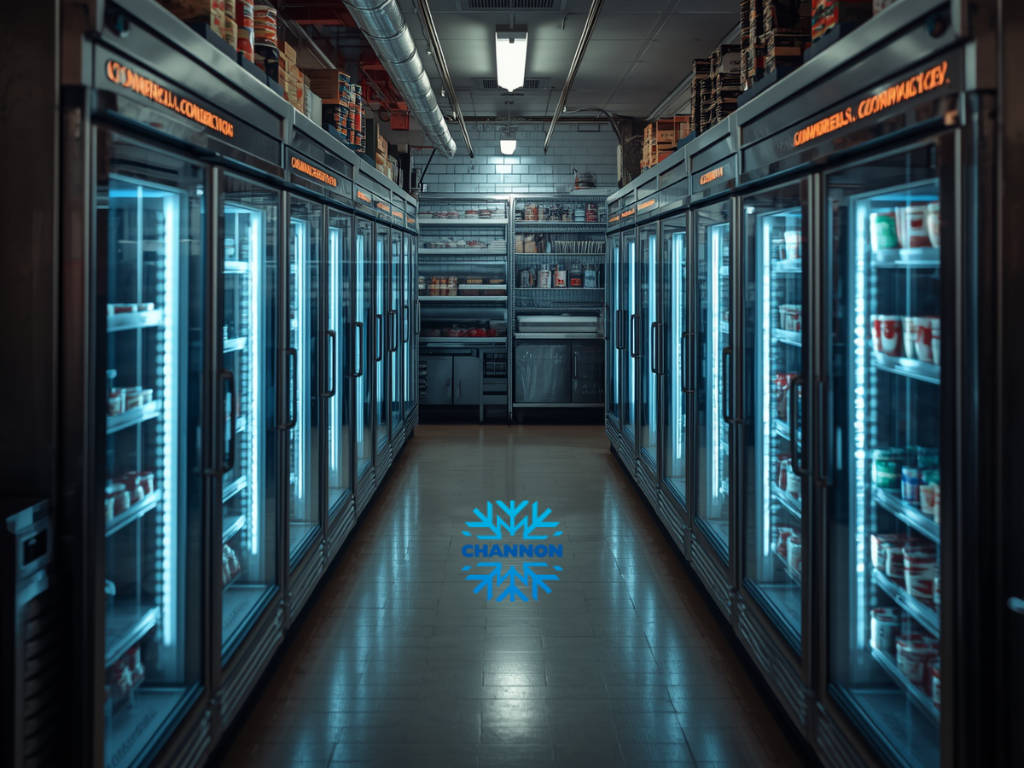
Commercial refrigeration supports food safety, product quality and daily workflow.
However, not every business needs the same equipment.
A small café may need an underbench preparation fridge and a display unit. A large restaurant may require upright refrigerators, freezer storage and a separate cool room.
Bakeries, caterers and production kitchens may also need rapid-cooling equipment.
The right choice depends on what the business stores, how quickly stock moves and how the kitchen operates.
Australian food-safety requirements are also important. Potentially hazardous food generally needs to remain at 5°C or colder during storage, display and transport unless the business can demonstrate another safe system.
This guide explains how to compare commercial refrigeration Sydney options before requesting a quote.
Do not start with the equipment catalogue.
Begin with the food, stock volume and daily process.
This creates a clearer basis for comparing products.
Identify What the Equipment Must Store
List the food and drinks that need temperature-controlled storage.
This may include raw meat, seafood, dairy products, prepared meals or fresh produce. Different items may need separate storage to reduce contamination risks.
FSANZ identifies raw and cooked meat, seafood, dairy, eggs, cooked rice and prepared salads among foods that may require temperature control.
Estimate the highest stock level.
A refrigerator that only suits an average day may become overloaded during weekends or seasonal demand.
Overpacking can reduce cold-air circulation and make it harder for the unit to maintain an even temperature. FSANZ advises businesses not to pack refrigerated food too tightly because cold air needs room to circulate.
Also consider delivery frequency.
A venue receiving daily deliveries may need less bulk storage than one receiving stock twice a week.
Map the Daily Kitchen or Retail Workflow
Follow the path of food through the business.
Consider where deliveries arrive, where staff check temperatures and where products are prepared.
Refrigeration should support that movement.
An underbench unit may help cooks reach ingredients quickly during service. An upright fridge may suit bulk storage away from the preparation bench.
Customer-facing venues may also need chilled display equipment.
Check how doors will open during busy periods.
A badly positioned door can block a walkway or interfere with another workstation.
Cleaning access matters too.
Staff should be able to reach floors, walls and equipment surfaces without moving several heavy units.
Compare the Main Refrigeration Options
Commercial refrigeration equipment comes in many formats.
Each format supports a different storage or service need.
Choose the type before comparing brands and models.
Review Upright, Underbench and Display Refrigerators
Upright refrigerators provide vertical storage.
They may suit kitchens that need substantial capacity but have limited floor space.
Underbench units place chilled stock close to a preparation area. They may also provide a working surface, depending on the model and installation.
Display refrigerators are designed to keep products visible.
They may suit cafés, bakeries, convenience stores and other customer-facing venues.
When comparing commercial fridges Sydney suppliers offer, check the internal layout rather than relying only on total litres.
Shelving positions, door width and container sizes affect usable capacity.
Also check whether the unit suits the intended product.
A beverage refrigerator may not meet the same operating requirements as equipment intended for potentially hazardous food.
Consider Cool Rooms and Freezer Storage
A cool room may suit businesses needing frequent access to larger stock volumes.
Commercial modular cool rooms use insulated panels and a refrigeration system to create a walk-in storage area.
The design may include shelving, flooring, lighting and a suitable door system.
Site preparation is important.
The supplier should review room dimensions, access, ventilation and the proposed refrigeration-unit location.
Dedicated freezer storage may also be needed.
An upright freezer can suit lower volumes. A freezer room may be more practical for larger operations.
Frozen food should remain frozen hard during storage and transport. FSANZ advises businesses to check that frozen products have not begun to thaw.
Understand Blast Chillers and Blast Freezers
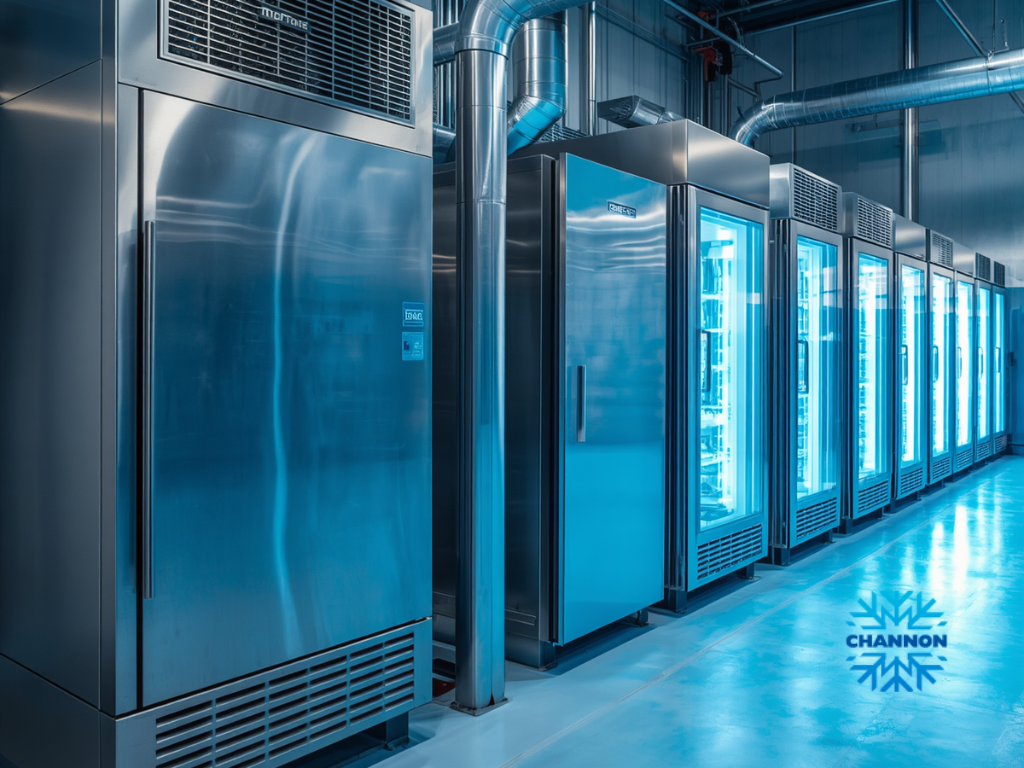
Rapid-cooling equipment serves a different purpose from standard cold storage.
It is designed to reduce product temperature quickly during food production.
The business should understand that role before purchasing.
Decide Whether Rapid Cooling Supports the Operation
A commercial blast chiller rapidly reduces the temperature of cooked food.
It does not simply replace a standard refrigerator.
Australian food-safety standards require potentially hazardous cooked food to cool from 60°C to 21°C within two hours. It must then cool from 21°C to 5°C within a further four hours unless a safe alternative process can be demonstrated.
Large pots and deep containers can cool slowly.
A blast chiller may help a production kitchen manage larger batches within a controlled process.
The right unit depends on batch size, tray format and required cycle time.
Ask whether the equipment records temperatures or cycles.
Also confirm how staff will check the food itself. Equipment displays do not always confirm the temperature at the centre of the product.
FSANZ recommends using a probe thermometer to check the thickest part of food.
Match Rapid Freezing Equipment to Production Needs
A blast freezer lowers food temperature quickly to a frozen state.
It may suit bakeries, catering operations or businesses preparing frozen products in batches.
This equipment should not be selected only because it sounds more powerful than a standard freezer.
Consider what food will be frozen, the batch volume and the required turnaround.
Tray sizes and loading practices also matter.
The supplier should explain the difference between rapid freezing and long-term frozen storage.
A blast freezer may complete the initial process, while another freezer stores the finished products.
Ask how the equipment fits into the production sequence.
Staff also need clear procedures for loading, unloading and recording product temperatures.
Check Capacity, Layout and Installation Requirements
The correct model must physically suit the site.
A unit that fits the available floor area may still lack enough door clearance or ventilation.
Measure carefully before ordering.
Measure Usable Space and Working Clearances
Record the width, depth and height of the installation area.
Check doorways, corridors and lifts along the delivery route.
A large commercial refrigerator may fit the final position but fail to pass through the building entrance.
Allow space for doors and drawers to open.
Staff should be able to remove shelves and trays without blocking a busy walkway.
Ventilation clearance also matters.
The manufacturer’s installation instructions should state the required space around the unit.
For cool rooms, check the full panel dimensions.
Also consider shelving, staff movement and product trolleys inside the room.
A design should provide usable storage rather than fill every available centimetre.
Review Site Services Before Ordering
Confirm the electrical requirements.
Some commercial equipment may need a dedicated circuit or a different power connection from a domestic appliance.
Drainage may also be required.
Ice machines, some cool-room systems and other equipment can need water or drainage connections.
Review the floor.
It must support the equipment and allow safe cleaning.
For a commercial modular cool room, floor level and panel interfaces can affect installation.
Ask who is responsible for electrical, plumbing and building work.
The refrigeration quote may not include every trade.
Equipment using regulated refrigerants must be installed, commissioned and serviced by people holding the required Refrigerant Handling Licence. Businesses acquiring or possessing regulated refrigerant may also need a Refrigerant Trading Authorisation.
Compare Products, Quotes and Ongoing Costs

The lowest purchase price may not provide the lowest long-term cost.
Commercial equipment needs servicing, cleaning and replacement parts.
Compare the complete ownership requirements.
Look Beyond the Purchase Price
Review the warranty.
Check whether it covers parts, labour or both.
Ask where replacement parts are sourced and whether technicians can service the selected brand.
Energy use should also form part of the comparison.
A larger unit can provide extra capacity, but oversized equipment may use unnecessary space and power.
An undersized system can create other problems.
It may run under heavy demand and still fail to provide enough storage during peak periods.
Commercial refrigeration sales Sydney suppliers should help match capacity to the actual operation.
Do not choose equipment only from an online image or price.
Ask for the complete product specifications.
Read the Complete Written Scope
A quote for commercial refrigeration equipment for sale should name the model and quantity.
It should state whether delivery and installation are included.
Check whether the supplier will remove packaging and position the equipment.
For connected systems, ask whether commissioning forms part of the price.
Cool-room quotes should identify panels, doors, refrigeration units, shelving and flooring where applicable.
Review exclusions carefully.
Electrical work, plumbing, drainage and building modifications may cost extra.
Ask who handles old-equipment removal.
Also confirm what happens when site conditions differ from the original information.
A clear variation process reduces confusion during installation.
Know When to Contact Channon
Some equipment purchases are straightforward.
Others require a site assessment and coordinated design.
Early advice can reduce the risk of ordering unsuitable equipment.
Seek Advice for Fit-Outs or Complex Storage Needs
Contact a refrigeration provider when the business needs several connected units.
Professional input may also help when planning a cool room, freezer room or full commercial kitchen.
Channon publishes services covering refrigeration design, commercial refrigeration sales, equipment installation and ongoing technical support. Its product categories include refrigerators, freezers, blast chillers and shock freezers.
Channon also states that its design services cover commercial kitchens, cold rooms, cool rooms and related food-service areas.
These are company-published capabilities.
Confirm the current product range, site coverage and project requirements before ordering.
Prepare Useful Information Before Requesting a Quote
Describe the business and menu.
Explain what products need refrigeration and how much stock is held during peak periods.
Provide site measurements and photographs.
Include the proposed equipment position and delivery access route.
State the operating hours.
A venue that cannot close for installation may need a staged plan.
Mention existing equipment that will remain.
Also identify units that need removal.
For a commercial blast chiller or blast freezer, provide the expected batch size and product type.
Clear information helps Channon recommend suitable equipment and prepare a more complete quote.
Choose the Right Equipment and Protect the Investment
The final decision should reflect actual business needs.
Do not select the system only by purchase price or advertised capacity.
Food safety, workflow and support all matter.
Match the Final System to Actual Business Demand
Review the highest expected stock volume.
Check whether the proposed unit supports delivery, preparation and service.
Allow for reasonable future growth.
However, avoid purchasing excessive capacity without a clear need.
Confirm the temperature range for each product.
Also check whether different foods need separate storage.
The final plan may combine several equipment types.
A restaurant might use underbench refrigerators near preparation areas, an upright freezer for daily access and a cool room for bulk stock.
A production kitchen may also add a commercial blast chiller.
The best system is the one that supports the whole process.
Plan Monitoring and Maintenance From the Start
Commercial refrigeration needs regular checks.
Food businesses handling potentially hazardous food must have an accessible thermometer accurate to within 1°C. FSANZ advises checking the actual food temperature rather than relying only on a fixed equipment gauge.
Create a temperature-recording process.
Staff should also know what to do when a unit moves outside its required range.
Keep door seals clean and inspect them for damage.
Allow air to circulate inside the equipment.
Arrange servicing according to the manufacturer’s requirements and operating conditions.
Channon publishes commercial refrigeration servicing and a 24-hour national call centre. It also states that its technical service and installation network operates around the clock. Confirm current response times and coverage for the site.
Businesses comparing commercial refrigeration Sydney options can contact Channon to discuss equipment, cool rooms, installation and servicing requirements.