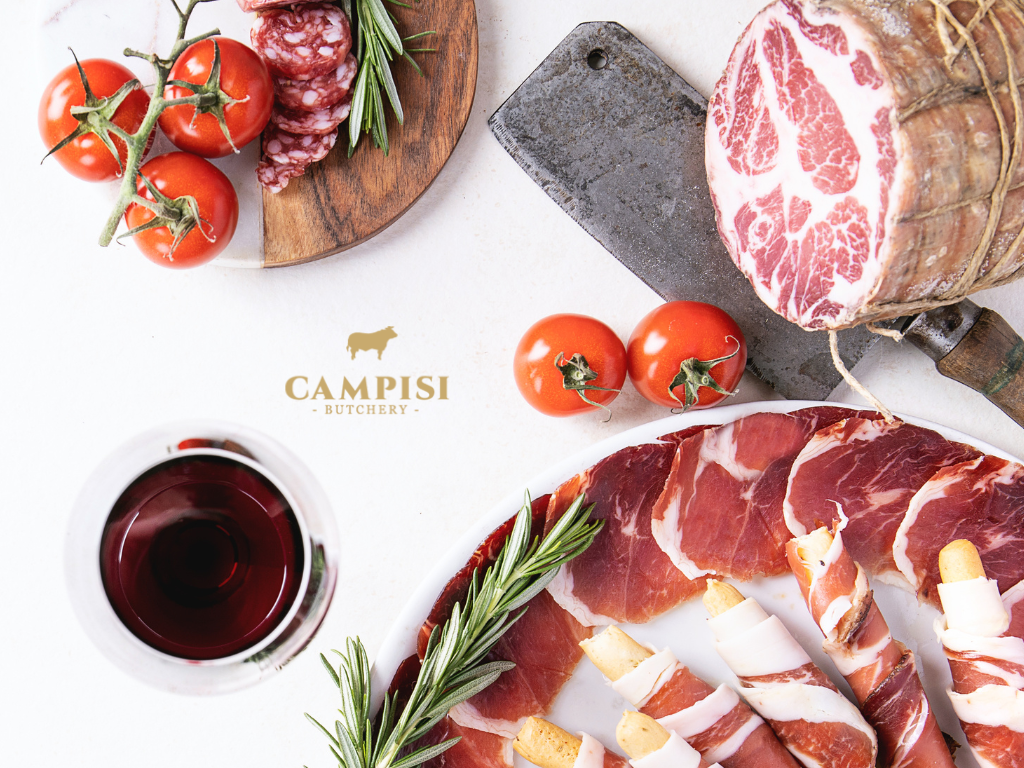
Searching for cured meats near me often leads to two terms that are commonly used together: salumi and charcuterie. Both describe prepared meat products, but they are not exactly the same.
Salumi is connected to Italian meat-curing traditions and includes products such as prosciutto, salami, coppa, bresaola and mortadella. Charcuterie is a broader French term that may include cured meats as well as cooked sausages, pâtés, terrines and other prepared meat products.
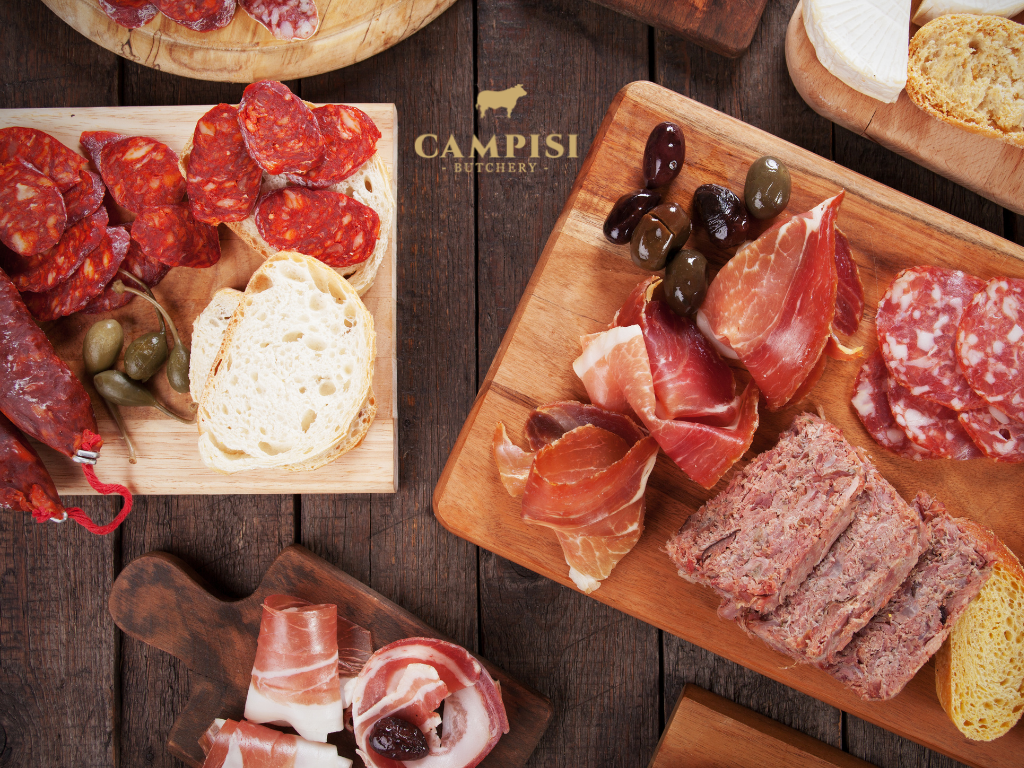
For someone planning a gathering, the difference is useful because it can shape the style of the entire platter. A Salumi plate may focus on Italian meats, bread, olives and antipasto, while a wider charcuterie board may combine meats with cheese, pâté, fruit, preserves and pickled foods.
This guide explains the difference between the two styles, how to compare popular cured meats and what to consider when ordering from a local butcher.
What salumi includes
Salumi is a broad Italian category covering prepared meat products. Salami belongs within this category, but salumi also includes many products that are not sausages.
Whole-muscle meats such as prosciutto, coppa and bresaola are made from recognisable cuts. They are generally cured and served in thin slices, although their texture and flavour vary according to the cut, seasoning and production method.
Salami and soppressata are made from chopped or minced meat combined with fat and seasoning. They may be mild, peppery, smoky or spicy.
Mortadella is a cooked Italian deli meat with a softer texture. Although it is different from a dry-cured salami, it is commonly included in Italian deli selections and Salumi plate arrangements.
Understanding these differences helps shoppers create variety instead of choosing several products with similar texture and seasoning.
What charcuterie usually covers
Charcuterie originally refers to French traditions of preparing and preserving meat. In modern Australian usage, the word is often applied more broadly to boards containing cured meats, cheese, crackers, fruit, pickles and condiments.
A traditional charcuterie selection may include dry-cured meats, cooked hams, sausages, pâtés, terrines or rillettes. However, not every charcuterie board needs to include every category.
The practical difference between salumi vs charcuterie is therefore mainly one of focus. Salumi is specifically associated with Italian prepared meats, while charcuterie can include a wider range of European-style meat products and accompaniments.
When ordering, it is more helpful to describe what you want to serve than to rely only on the label. A butcher can then recommend products that suit the meal and guests.
Comparing Popular Cured Meat Styles
Prosciutto is one of the most recognisable types of Italian salumi. It is made from pork leg and is usually sliced very thinly. Its soft texture makes it suitable for folding or draping across a platter.
Coppa, also known as capocollo in some regions, is made from the neck or shoulder area. It normally contains visible marbling and has a richer texture than leaner products.
Bresaola is usually made from beef. It is leaner and firmer than prosciutto and can provide useful contrast on a plate that already contains several pork products.
Salami is available in many styles. Some varieties are finely textured and mild, while others are coarse, strongly seasoned or spicy.
Soppressata can also range from mild to hot. Because recipes differ, customers should ask about flavour rather than assuming every product with the same name will taste identical.
Cooked hams and broader charcuterie options
Cooked products can provide a softer and more familiar element on a mixed platter.
Mortadella has a smooth texture and mild flavour, making it useful alongside stronger salami or spicy cured meats. Bologna-style meat may offer a similarly approachable flavour, although recipes and texture can vary.
Boiled ham is not the same as dry-cured prosciutto. It is softer, moist and familiar to many guests, particularly when the platter will also be used for sandwiches.
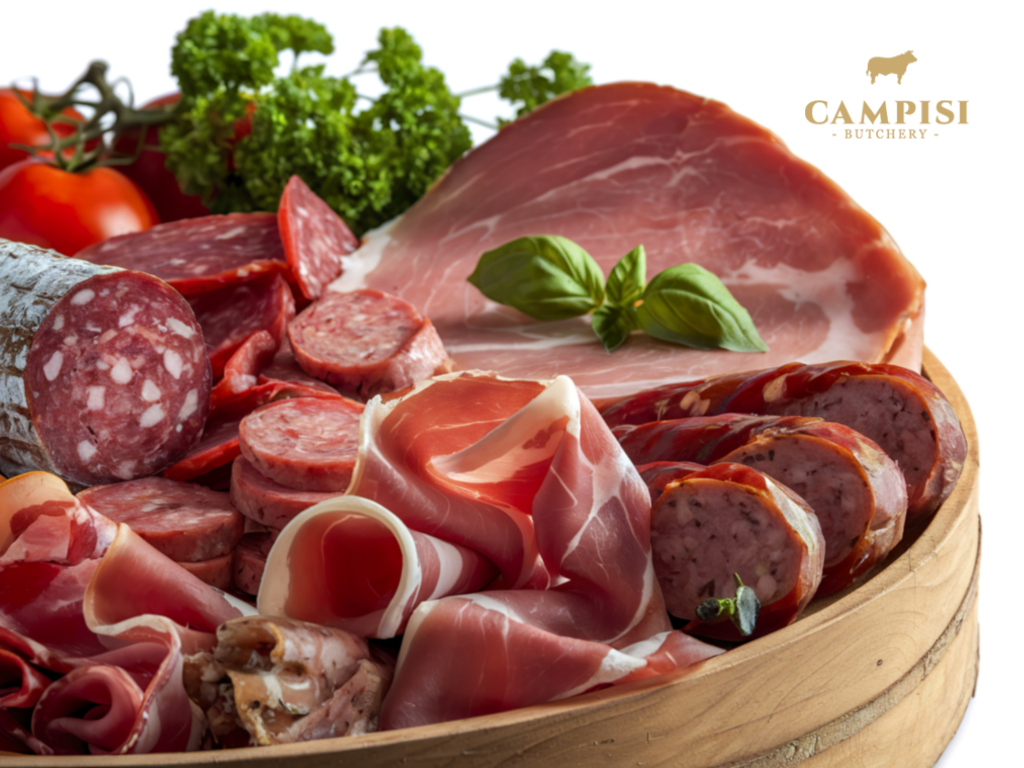
An arranged salami bologna boiled ham and prosciutto selection can work well for mixed-age groups because it combines mild cooked meats with firmer and more traditionally cured products.
A similar arranged salami bologna ham and prosciutto plate can also be used as the base of a larger charcuterie board, with cheese and accompaniments added separately.
Choosing the Right Mix for Your Guests
Combine different flavours and textures
A balanced platter should contain noticeable contrast.
Begin with one mild product, such as mortadella or boiled ham. Add a richer cured meat, such as prosciutto or coppa, followed by a firmer or more strongly seasoned salami.
This approach works because every product provides a different experience. Soft cooked ham feels different from dry salami, while delicate prosciutto contrasts with coarse soppressata.
A plate does not need a large number of meats to feel complete. Three or four well-chosen products can provide more variety than six salamis with similar seasoning.
When comparing cured meats, ask the butcher to describe each option as mild, rich, lean, smoky, peppery or spicy. This makes the selection easier to understand.
Consider dietary needs and preferences
Guest preferences should influence the final selection.
A family gathering may benefit from mostly mild products with one stronger choice offered separately. An adult tasting plate may suit a wider mix of spice, pepper and stronger cured flavours.
Ask about ingredients and allergens when serving people with specific dietary needs. Recipes can differ between producers, so customers should not assume that two similar products contain exactly the same ingredients.
It may also be useful to include both pork and beef options. Bresaola can add a lean beef product, although customers should still check its ingredients and preparation details.
Pregnant people and others at greater risk from foodborne illness may need to avoid or carefully manage certain refrigerated ready-to-eat meats. Personal health advice should be obtained from an appropriate medical professional rather than relying only on general platter guidance.
Deciding Between a Salumi Plate and Charcuterie Board
A Salumi plate is a strong choice when the meal has an Italian focus or when the cured meats are intended to remain the main feature.
It may include prosciutto, salami, mortadella and coppa, supported by bread, olives, marinated vegetables and a small number of cheeses.
This style works well before pasta, pizza or another Italian meal because it introduces complementary flavours without becoming a separate main course.
It can also suit sandwich tables, casual family lunches and antipasto platters where guests are expected to combine the meats with bread and vegetables.
A salumi set may be convenient for this purpose when it already contains a balanced mixture of mild and stronger meats.
When a broader board may be more suitable
A charcuterie-style board may be more suitable when the grazing food is intended to be the main part of the event.
This format can include salumi, cooked hams, cheese, pâté, terrine, crackers, bread, fruit, pickles, preserves and mustard.
The wider range gives guests more combinations and can make the board feel more substantial. However, too many items can also make it difficult to serve and refill.
The best approach is to decide what role the board plays. A light appetiser needs fewer products, while an extended grazing meal needs more variety and larger quantities.
There is no requirement to follow a strict traditional format. The board should suit the guests and occasion while keeping the food easy to identify and serve.
Choosing Quantities, Slicing and Presentation
Plan portions around the type of meal
The amount of cured meat needed depends on the role it plays in the meal.
When the meats are served as a starter before a larger lunch or dinner, guests are likely to eat smaller amounts. When the platter is the main meal, more meat, bread and accompaniments will be needed.
Guest preferences also affect quantity. A group that regularly enjoys salumi may eat more than a mixed gathering where several other dishes are available.
Rather than following one fixed portion for every event, tell the butcher how many people are attending, what else will be served and how long the food will remain available.
This information allows the supplier to recommend a more practical quantity and may help reduce leftovers.
Ask for the right slicing style
The correct slice thickness helps cured meats taste and feel as intended.
Prosciutto, coppa and bresaola are generally easier to eat when sliced thinly. Thick slices may feel chewy and can overpower bread or other platter ingredients.
Salami can be sliced thin for a more delicate presentation or slightly thicker when a firmer texture is preferred.
Mortadella and boiled ham may be folded in thin slices for a platter or cut more generously for sandwiches.
Tell the butcher how each product will be used. This gives clearer guidance than simply asking for everything to be sliced the same way.
When arranging the plate, keep each meat in its own area. Fold soft meats, fan firmer slices and leave enough space for guests to lift one piece without pulling several others with it.
Choosing a Local Cured Meat Supplier
A good supplier should be able to explain the differences between products in clear language.
Staff should answer practical questions about flavour, spice, ingredients, slice thickness, storage and suitable quantities. A varied product range also makes it easier to combine whole-muscle meats, sausages and cooked products.
Food handling matters because salami, ham and similar products may be ready to eat without further cooking. NSW Food Authority identifies salami and ham within regulated ready-to-eat and fermented meat categories, and NSW retailers producing these foods have additional food-safety obligations.
Customers should also look for appropriate refrigerated display, clean slicing areas and packaging that protects the product during transport.
Compare value rather than price alone
The least expensive option may not provide the best result when products are poorly matched or unsuitable for the occasion.
Value includes helpful portion advice, suitable slicing, clear ingredients, appropriate packaging and a balanced range of products.
Ask whether a preselected salumi set can be adjusted. Some customers may prefer to replace a spicy meat with a mild one or include a beef option alongside pork products.
For larger events, ask whether advance ordering is required. This gives the supplier time to prepare the correct quantities and slicing style.
Clear storage instructions are also part of good service. Customers should know whether the product must remain refrigerated, how soon it should be served and how leftovers should be stored.
When to Contact Campisi Butchery
Ask for help when choosing between styles
Campisi Butchery can be contacted when you need help deciding between an Italian Salumi plate, a prepared salumi set or a broader charcuterie-style selection.
Explain what other food will be served and what flavours the guests generally enjoy. This allows the selection to be built around the whole meal rather than choosing each product separately.
For example, a customer who already has cheese and antipasto may only need three contrasting cured meats. Someone preparing a full grazing meal may need a wider range of meats, bread and accompaniments.
The goal should be to create variety without unnecessary repetition or excess.
Provide event details before ordering
Share the guest number, serving time and type of occasion before placing the order.
Mention whether the platter is a starter, sandwich spread or main grazing meal. Explain whether guests prefer mild, spicy, pork or beef products and ask about any ingredient concerns.
Confirm the collection time and how the meat should be transported, particularly during warm Sydney weather.
At home, follow the product label and supplier’s storage instructions. NSW Food Authority recommends keeping fridges below 5°C, discarding products after their use-by date and separating ready-to-eat foods from raw meat.
By understanding the difference between salumi and charcuterie, choosing contrasting products and ordering the right quantities, customers can create a cured-meat selection that suits the occasion without making the platter unnecessarily complicated.