Custom trailers can be useful when a standard trailer does not match the way you work, travel or transport goods. They can be built around tools, equipment, stock, machinery, bikes, camping gear, market products, business signage or other specific loads.
A custom trailer is not only about appearance. The design should support safe loading, practical storage, daily access, towing needs and long-term use. It should also suit the vehicle that will tow it and the places where it will be parked, stored and used.
Before comparing custom trailers for sale or speaking with a builder, it helps to understand what the trailer needs to carry, how often it will be used and what features will make the work easier.
What makes a custom trailer different from a standard trailer
A standard trailer usually comes in a common size and layout. It may suit general transport, garden materials, light equipment or occasional hauling. For many simple jobs, that may be enough.
A custom trailer is designed around a more specific use. It may include special dimensions, tool storage, ramps, shelving, side access, enclosed sections, signage panels, tie-down points or reinforced areas.
This can help when the trailer needs to support business tasks, trade work, regular transport or a unique load. However, a custom design should still be practical. It should not include features that add cost or weight without improving daily use.
Why buyers choose custom builds for practical needs
Many buyers choose custom made trailers because they want better organisation, easier loading and a trailer that suits the job from the start.
For example, a tradesperson may need separate storage for tools and equipment. A market vendor may need space for stock, signage and display items. A delivery business may need a layout that supports fast loading and unloading. A recreational user may need storage for camping or outdoor equipment.
Australian trailer industry commentary also points to demand for stronger, more functional and more customised trailer designs across industries such as construction, agriculture, landscaping and transport.
Common Uses for Custom Made Trailers
Work, trade, delivery and equipment transport
Custom made trailers can support many work and trade uses. They may be used by builders, landscapers, mobile technicians, delivery operators, event suppliers, market sellers and equipment transport businesses.
A trade trailer may need shelving, lockable storage, side doors, lighting and tool access. A delivery trailer may need open floor space and tie-down points. A service trailer may need compartments that keep parts and equipment organised.
Custom truck trailers may suit larger transport needs where a smaller trailer cannot carry the required load. In these cases, towing capacity, weight, dimensions and road requirements should be checked carefully before building.
Travel, events, recreation and personal use
Custom trailers are not only for trade work. They can also be useful for travel, events and recreation.
A trailer may be designed for camping equipment, bikes, sports gear, event materials, displays, mobile services or hobby equipment. Unique custom trailers may also be useful when the load is unusual, fragile, bulky or difficult to carry in a standard trailer.
The main goal is to match the trailer to the real task. A trailer that works well on paper should also be easy to tow, load, park, clean and maintain.
Choosing the Right Size, Layout and Access
How the load affects trailer dimensions and design
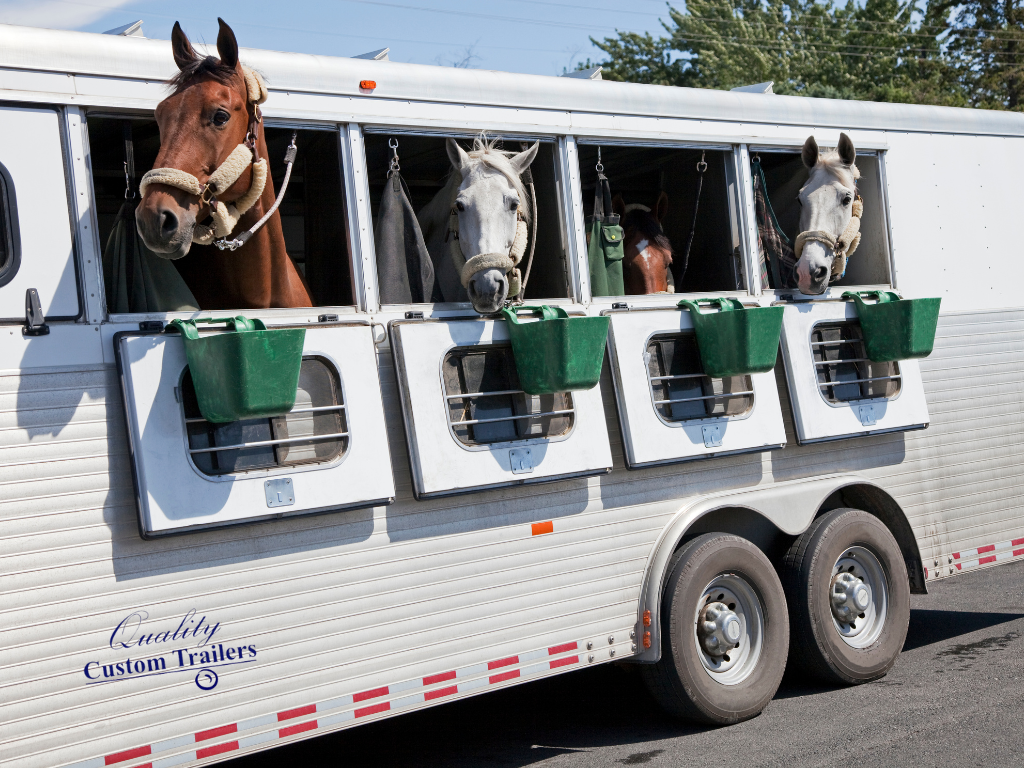
The load should guide the trailer size. Before deciding on a design, measure the largest items that will be carried. The trailer should allow for safe loading, not just a tight fit.
Weight is just as important as size. A trailer may have enough space but still be unsuitable if the load exceeds the trailer or vehicle’s towing limits. Buyers should check towing capacity, load rating and any road-use requirements before ordering.
Why doors, ramps, storage and tie-down points matter
Access points can affect how useful the trailer feels every day. Rear doors, side doors, ramps, lift-up panels and tool compartments all serve different purposes.
Ramps may help with machines, bikes, trolleys or heavy equipment. Side doors may help tradespeople reach tools quickly. Shelving may improve organisation, but it should not block access or overload one side of the trailer.
Tie-down points should match the actual load. They should be placed where they help secure items properly, not only where they are easy to install.
Comparing Standard and Unique Custom Trailers
When custom trailers for sale may be enough
Custom trailers for sale may be enough when the available design already suits your needs. Some buyers only need small changes, such as toolboxes, higher sides, extra tie-downs, a ramp, signage space or a different cage setup.
This can be a practical option when the trailer will be used for common transport tasks. It may also reduce design time compared with a fully customised build.
However, buyers should still check the details. A trailer may look suitable online but still lack the right size, access, strength or storage layout for the job.
When a fully customised build may be more suitable
A fully customised build may be more suitable when the trailer needs to carry specific equipment, support a business workflow or fit a unique use.
This may apply to mobile trade setups, specialist transport, event operations, outdoor work, recreational equipment or business trailers that need branding and storage. Unique custom trailers can also help when a standard model would need too many changes.
Before choosing this option, the buyer should prepare clear details. The builder will need to know the load, dimensions, towing vehicle, usage frequency, access needs and any future plans.
How to Choose the Right Product or Builder
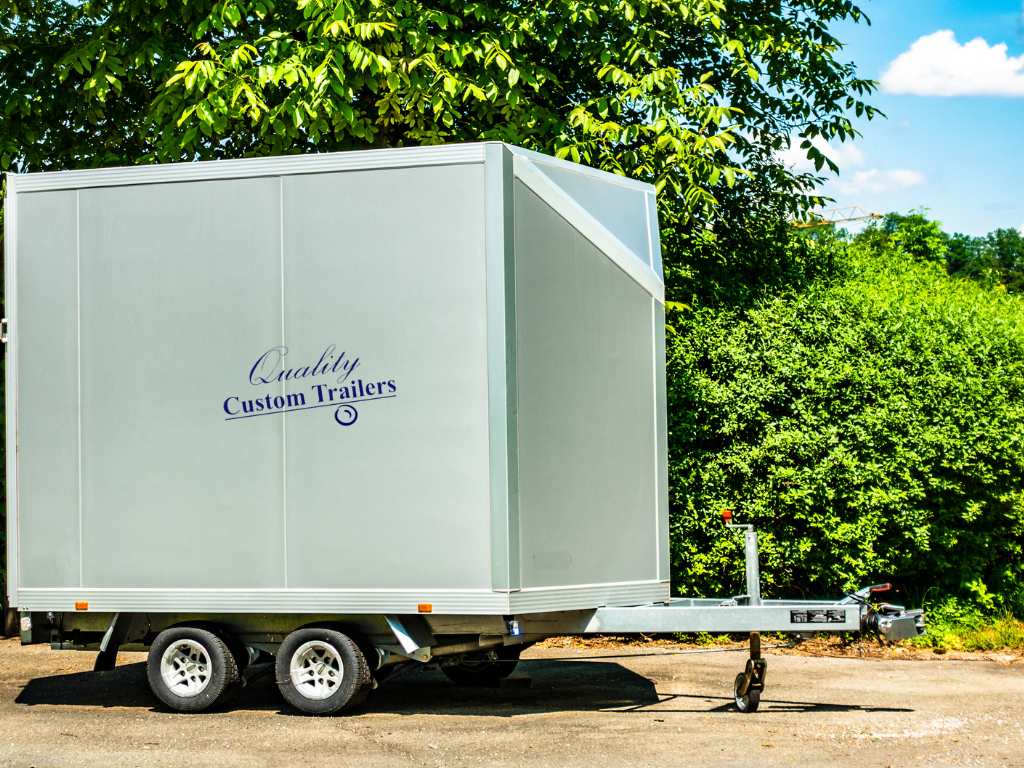
What to ask a custom trailer company before ordering
Before ordering from a custom trailer company, explain how the trailer will be used. The builder should understand whether it is for trade work, delivery, travel, events, recreation or mixed use.
Ask what is included in the build. This may include frame materials, flooring, body construction, suspension, doors, ramps, locks, lighting, shelving, tie-down points, finish and any signage provisions.
It is also important to ask how the builder manages weight, towing suitability and road-use requirements. NSW Government provides guidance on registering trailers, modifying trailers and what buyers need to know before purchasing or modifying a trailer.
How to compare materials, build quality and support
Build quality matters because trailers are exposed to weather, vibration, road conditions, loading and regular use. The frame, floor, fasteners, hinges, suspension, wheels, lighting and finish should suit the expected workload.
Support also matters. A good builder should explain the design clearly, answer practical questions and help the buyer understand trade-offs. A heavier trailer may feel stronger, but it may also affect towing. A lighter trailer may be easier to handle, but it still needs to suit the load.
When to Contact Quality Custom Trailers
When a custom build discussion may be useful
Quality Custom Trailers can be mentioned naturally when a buyer wants help planning a custom trailer, custom made trailers, unique custom trailers or a practical build for work, travel or transport.
This may be useful when the buyer knows what they need to carry but is unsure about size, access, storage, materials, weight or towing requirements.
A helpful discussion should begin with the load. The builder needs to know what will be carried, how often the trailer will be used, where it will travel and what vehicle will tow it.
How a builder can help with practical trailer decisions
A builder can help turn the trailer idea into a usable design. This may include decisions about trailer size, door placement, ramp style, shelving, storage, tie-downs, flooring, finish and signage space.
For example, a trade trailer may need quick tool access. An event trailer may need organised storage and branding space. A recreational trailer may need room for camping gear or equipment.
The best trailer is not always the biggest or most expensive option. It is the one that suits the job, the towing vehicle and the way the trailer will be used.
Planning for Towing, Registration and Long-Term Use
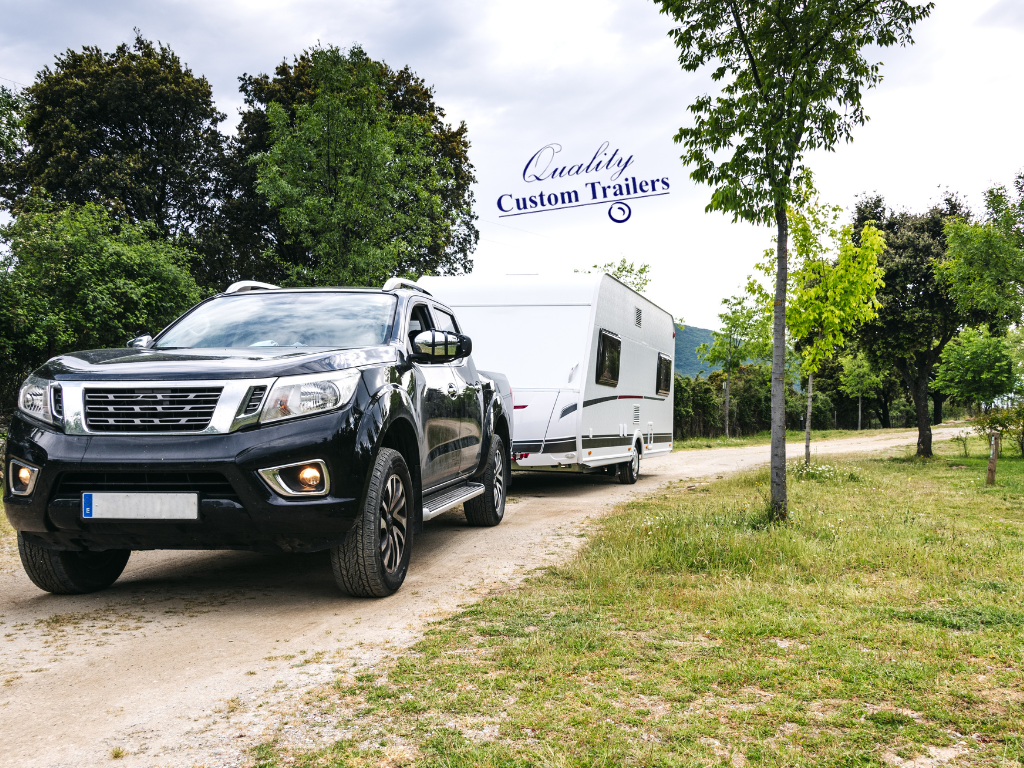
Why road rules, load security and registration should be checked early
Road rules, towing safety and registration should be checked before finalising the trailer design. This is especially important when the trailer is being modified, built for specific loads or designed for business use.
NSW Government guidance explains that trailer users should secure loads, check licence restrictions and follow safety standards. It also provides information for buying, registering and modifying trailers.
Parking and storage may also matter, especially in Sydney suburbs where street space can be limited. Recent reporting noted a Sutherland Shire Council trial restricting long-term trailer and caravan parking without an attached motor vehicle in selected areas, following community complaints.
Internal linking opportunities and next steps
This article can naturally link to related pages such as custom trailers, custom trailer, custom made trailers, custom trailers for sale, custom built trailers near me, unique custom trailers, Quality Custom Trailer and custom trailer company.
The next step is to write down what the trailer will carry, how often it will be used, where it will travel, where it will be stored and what vehicle will tow it. Once these details are clear, it becomes easier to compare trailer designs and speak with a builder.
A well-planned custom trailer should support safe transport, practical storage and easier daily use.