
Bathroom routines are part of daily life, but they can become difficult when a person has reduced mobility, pain, weakness, balance concerns, or recovery needs after surgery or illness. Simple tasks such as sitting down on the toilet, standing up again, moving from a wheelchair, or staying balanced on a wet floor may become stressful without the right support.
This is why bathroom medical equipment is important for many Australian homes, aged care settings, disability support environments, and recovery situations. The right product can make toileting and bathroom routines more manageable for the user while also making care tasks easier and safer for family members, carers, or support workers.
For some people, the main issue is comfort. For others, the main concern is safe movement. In many cases, both comfort and safety need to be considered together. A person may need a softer toilet seat because of pressure discomfort, but they may also need rails, transfer support, or better bathroom layout planning to make the whole routine safer.
The Right Equipment Can Support Safety and Comfort
Good bathroom equipment should support the person’s actual daily routine. It should be easy to use, stable, suitable for the bathroom layout, and appropriate for the person’s level of mobility. It should also be practical for cleaning and ongoing care.
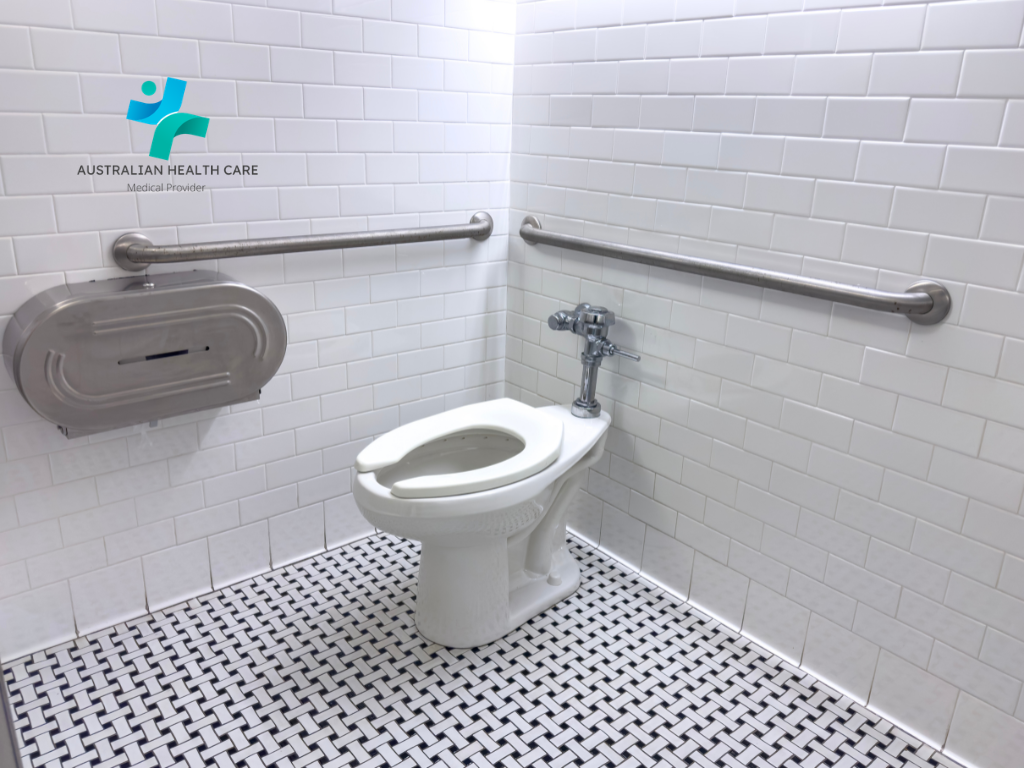
Bathroom safety is especially important because wet floors, limited space, low toilet seats, and hard surfaces can increase the risk of slips, strain, or discomfort. General fall-prevention guidance often includes practical bathroom changes such as grab bars, non-slip surfaces, and safer support points.
However, equipment should not be chosen only because it looks useful online. The best product depends on the user’s height, strength, balance, pain level, transfer ability, toilet type, bathroom space, and carer involvement. This is why comparing options carefully is important before buying.
Common Bathroom Challenges to Look For
Toilet Height, Balance, and Pressure Discomfort
One of the most common bathroom challenges is difficulty using the toilet comfortably. A toilet may be too low, too hard, or difficult to access. Sitting down and standing up can also place strain on the knees, hips, back, or arms, especially for people with weakness, arthritis, injury, or limited balance.
A hard toilet seat can also be uncomfortable for people who sit for longer periods, have pressure sensitivity, are recovering from surgery, or need extra cushioning. In these situations, a cushioned toilet seat, padded toilet seat, or other comfort support may help improve the toileting experience.
It is important to remember that comfort products are not always the same as mobility products. A soft seat may improve comfort, but it may not provide height support or transfer stability. If the person has difficulty standing up, they may need a raised toilet seat, toilet frame, grab rail, commode, or other support product instead of only a cushion.
Wet Floors and Limited Support Points
Bathrooms can be difficult spaces because they are often small, wet, and filled with hard surfaces. A person may need to move between the toilet, basin, shower, towel rail, wheelchair, walker, or commode in a limited area. If the bathroom does not have proper support points, movement can become unsafe.
Home modifications are often used to improve safety and independence for people with disability, impairment, or changing mobility needs. These may include bathroom changes, rails, ramps, and other adjustments designed to support daily function and reduce risk.
Before buying bathroom medical equipment, it is helpful to look at the whole space. Consider whether the person has enough room to turn, whether there are stable handholds, whether the floor becomes slippery, whether the toilet is easy to reach, and whether a carer needs space to assist. These details can affect which product is suitable.
Toilet Comfort Products and When They Help
Cushioned and Padded Toilet Seat Options
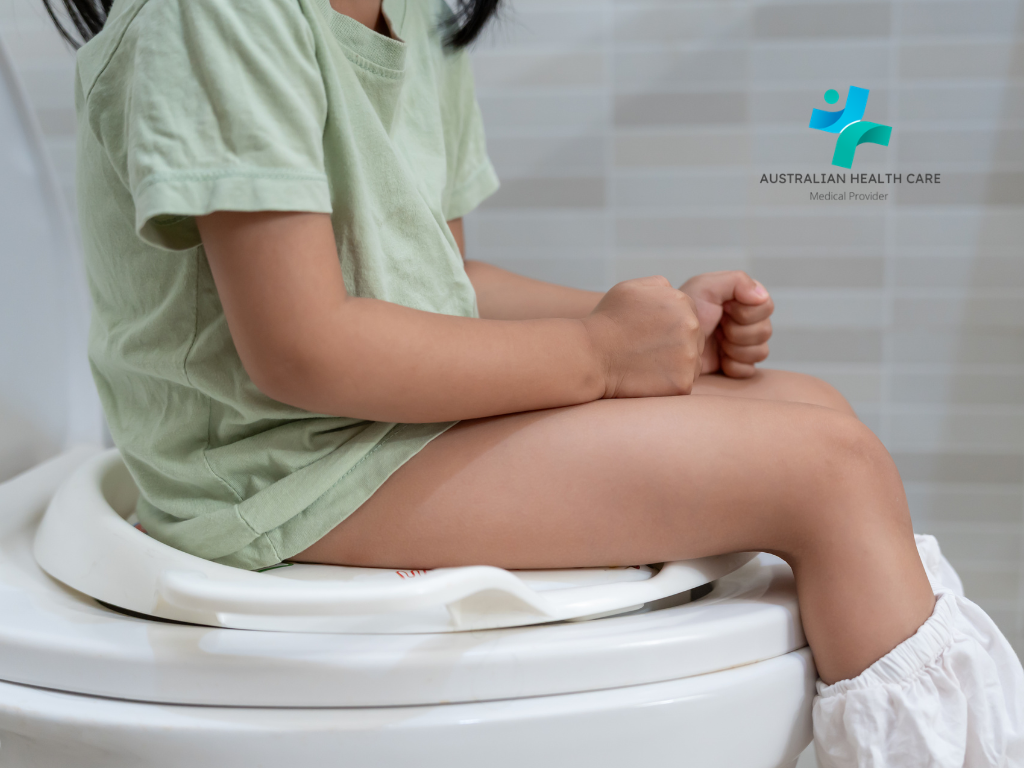
Toilet comfort products are designed to make sitting more comfortable. These may include a cushioned toilet seat, cushion toilet seat, soft toilet seat cushion, toilet seat pillow, padded toilet seat, or toilet seat pads. The names can vary, but the goal is usually to provide a softer sitting surface for people who find a standard toilet seat too firm.
A soft toilet seat cushion may be helpful for people who experience pressure discomfort, tenderness, fatigue, or pain when using a standard toilet seat. It may also be considered during recovery periods when comfort is a priority. However, it should still be chosen carefully because not every cushion will suit every toilet or user.
The product should fit securely and should not move during use. A cushion that slides, lifts, or changes the sitting position too much may create a safety concern. It should also be suitable for the person’s weight, toilet shape, and cleaning needs. If the person needs help with transfers, comfort should be considered together with stability.
Cleaning, Fit, and Hygiene Should Be Checked First
Bathroom products must be easy to clean. A cushion may feel comfortable, but if it absorbs moisture, becomes difficult to wipe, or does not dry properly, it may not be practical for ongoing care. Hygiene is especially important in shared bathrooms, aged care environments, and situations where a person needs daily support.
Before choosing toilet seat pads or a padded toilet seat, check the material, surface finish, attachment method, and cleaning instructions. It is also useful to check whether the cushion is suitable for the toilet shape, such as round or elongated styles. If the product does not fit correctly, it may be uncomfortable or unsafe.
A good comfort product should support the user without making the toilet too high, too unstable, or too difficult to use. It should also allow the person to sit in a natural position. If the user feels unbalanced or unsure, a different product may be needed.
Patient Transfer Equipment and Bathroom Safety
Transfers Need Stable Support and Careful Planning
Patient transfer equipment can help support movement from one position or surface to another. In a bathroom setting, this may involve moving from a wheelchair to a toilet, from a toilet to a shower chair, or from a bed area to a commode. Transfers can be physically demanding, especially when the person has limited strength, poor balance, pain, or fatigue.
Bathroom transfer needs should be planned carefully because the space may be narrow and surfaces may be slippery. A person may need a transfer board, commode chair, shower chair, toilet frame, grab rail, or other mobility support depending on their condition and bathroom setup.
It is important to choose equipment that suits the user and the carer. A product that works well in a large bathroom may not fit safely in a smaller home bathroom. A product that helps one person transfer independently may not be suitable for another person who needs full assistance.
Carers Should Consider Space, Strength, and Risk
Carers should consider how much support the person needs during toileting and bathing. If the person can stand briefly, they may need different equipment from someone who cannot safely weight-bear. If the person becomes tired quickly, the equipment may need to reduce strain and shorten the transfer process.
The bathroom layout also matters. There should be enough space for equipment, movement, and carer support. If the area is too tight, the wrong product may increase risk rather than reduce it. In some situations, professional guidance from an occupational therapist or qualified health professional may be needed, especially when falls, complex transfers, or significant mobility limitations are involved.
Any claim that a specific product will prevent falls, replace professional care, or suit all users should be treated as [VERIFY]. Bathroom equipment can support safer routines, but it must be matched to the person, the environment, and the level of assistance required.
How to Choose the Right Product or Service
Match the Equipment to the User’s Daily Routine
Choosing bathroom medical equipment should start with the person’s daily routine. The most suitable product depends on what the person finds difficult, how often the equipment will be used, and whether they use the bathroom independently or with support.
If the main issue is pressure discomfort, a cushion toilet seat or soft toilet seat cushion may be suitable. If the main issue is difficulty standing up, the person may need height support, a toilet frame, or rails. If transfers are difficult, patient transfer equipment may need to be considered. If the person has several needs at once, it may be better to review the whole bathroom setup rather than buying one item at a time.
Buyers should also check practical details such as product size, weight capacity, cleaning instructions, installation requirements, material quality, and compatibility with the existing toilet. A product that is comfortable but difficult to clean may not be ideal. A product that fits one toilet may not fit another. These small details can make a major difference in daily use.
Compare Suppliers by Product Guidance and After-Sales Support
A good supplier should provide clear product information, practical guidance, and support before and after purchase. This is especially important when buying bathroom equipment for older adults, people with disability, people recovering from surgery, or carers managing daily routines.
When comparing suppliers, look for clear descriptions, product measurements, cleaning details, usage guidance, and information about returns or exchanges. It is also useful to choose a supplier that can explain the difference between comfort products, toilet aids, transfer products, and broader bathroom safety equipment.
Australian buyers should be careful with products that make broad safety claims without explaining limitations. If a product description says it is suitable for all users or guarantees safety, that claim should be treated as [VERIFY]. The safer approach is to choose a supplier that provides realistic guidance and encourages the buyer to consider fit, use, hygiene, and mobility needs.
When to Contact Australian Health Care
Contact a Supplier Before Buying if Needs Are Unclear
It is a good idea to contact a supplier before buying if the user’s needs are unclear or if the buyer is unsure which product is suitable. This is especially important when the person has mobility limitations, pressure discomfort, recent surgery, balance concerns, or transfer challenges.
A supplier may help explain whether a cushioned toilet seat, padded toilet seat, toilet seat pads, transfer aid, commode, or another bathroom support product is more suitable. They may also help clarify product dimensions, materials, cleaning requirements, and compatibility with the bathroom setup.
In some cases, the supplier may recommend that the buyer seek advice from a healthcare professional, occupational therapist, or care coordinator before making a final decision. This is particularly important when the person has a high fall risk, complex disability support needs, or requires assisted transfers.
Prepare Useful Details Before Asking for Help
Australian Health Care may be useful to contact when comparing bathroom medical equipment and related home health products. This is most helpful when the buyer can provide clear details about the person’s needs and the bathroom setup.
Before contacting Australian Health Care, prepare information about the user’s mobility, height, comfort concerns, transfer needs, toilet type, bathroom space, and whether a carer will assist. It is also useful to explain whether the priority is comfort, safer sitting, easier standing, transfer support, or daily care convenience.
This information can make product guidance more practical and reduce the chance of buying an item that does not fit the user or the bathroom. It also helps the supplier recommend options that match real daily use instead of relying only on product names.
Final Buying Tips for Safer Home Care
Review the Full Bathroom Setup, Not Just One Product
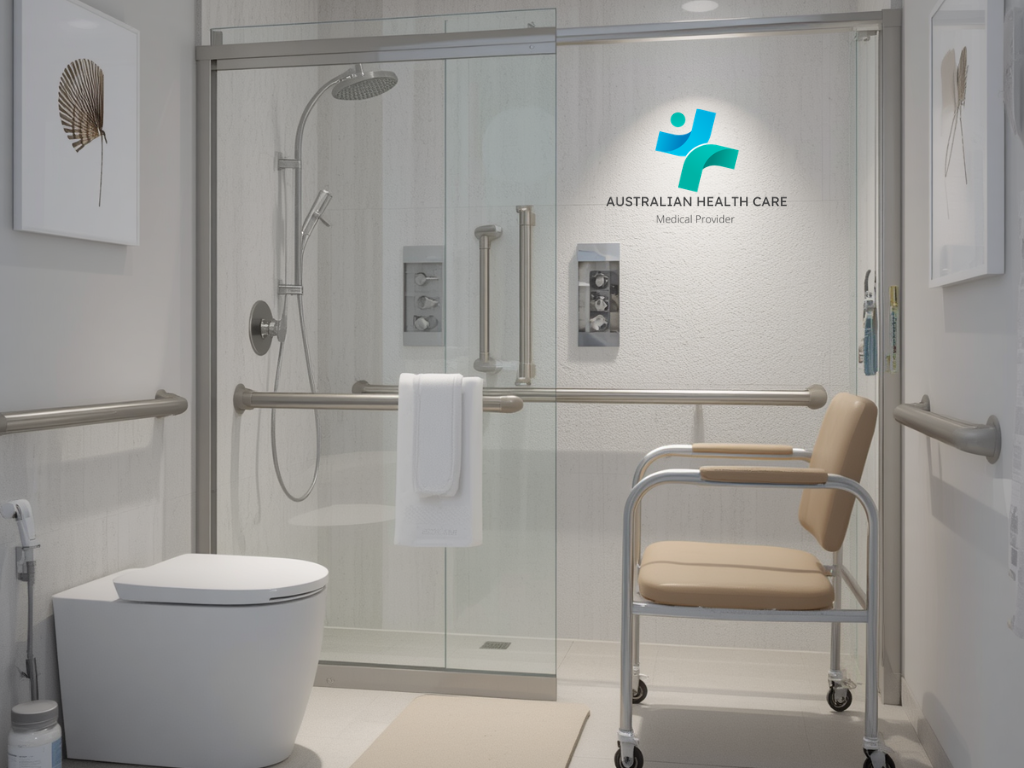
Bathroom safety and comfort should be reviewed as a whole. A padded toilet seat may improve comfort, but it may not solve balance problems. A transfer aid may help movement, but it may not work well if the bathroom is too narrow. A raised product may help standing, but it may create positioning issues if it is not the right height.
For this reason, buyers should look at the toilet area, flooring, lighting, rails, transfer space, cleaning needs, and carer access before making a final decision. The goal is to choose products that work together and support the person’s daily routine.
It is also important to review needs over time. A person recovering from surgery may only need short-term support, while a person with ongoing mobility changes may need equipment that suits long-term care. Choosing with the future in mind can help reduce unnecessary replacement.
Choose Products That Support Long-Term Comfort and Care
The best bathroom medical equipment should be practical, comfortable, safe to use, and easy to maintain. It should support the user’s dignity and independence where possible, while also helping carers provide support with less strain.
A careful buying decision should consider comfort, stability, hygiene, product fit, cleaning, mobility needs, and supplier guidance. It should also avoid exaggerated claims and focus on what the product can realistically do.
With the right equipment and the right advice, bathroom routines can become more manageable for people who need extra support. Whether the need is a soft toilet seat cushion for comfort, patient transfer equipment for movement, or broader bathroom support for home care, choosing carefully can make daily life easier, safer, and more comfortable.