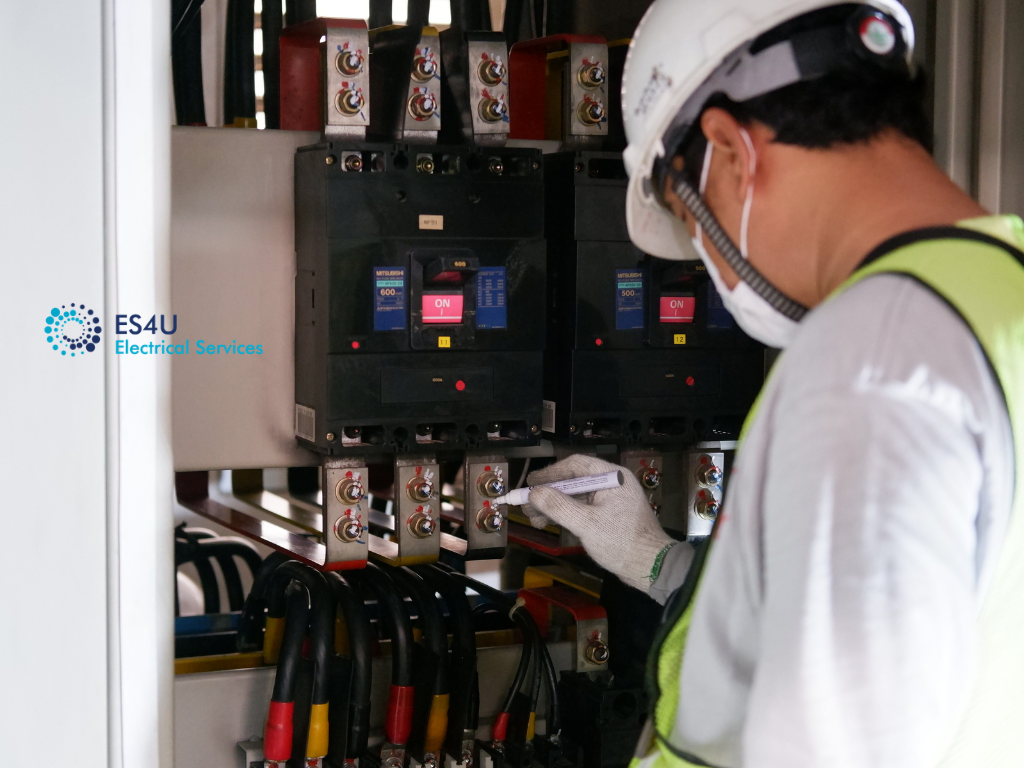
A commercial electrical project needs careful planning because it affects how a business operates every day. Power, lighting, switchboards, data, emergency systems, equipment connections, and future upgrades all need to work together.
Good planning helps reduce confusion, delays, rework, and unclear costs. It also helps the electrical team understand how the site will be used and what the business needs from the finished space.
A clear scope is the best starting point. It should explain what needs to be installed, upgraded, tested, repaired, or maintained. It should also consider how the site may change over time.
Start with how the site will be used
Before choosing products or approving a quote, think about the purpose of the space. An office has different electrical needs from a warehouse, retail shop, medical space, hospitality venue, or industrial facility.
An office may need flexible power points, meeting room technology, lighting zones, and data cabling. A warehouse may need high-bay lighting, equipment circuits, loading dock power, and strong switchboard planning. A hospitality site may need reliable power for refrigeration, kitchen equipment, customer areas, and safety systems.
When the electrical design matches the way the business operates, the site is easier to use, safer to manage, and simpler to maintain.
Identify the key systems early
A commercial project may include power, lighting, data, switchboards, emergency and exit lighting, security systems, mechanical service connections, machinery power, and ongoing maintenance access.
If the site is being refurbished, the electrician may also need to assess existing wiring, load capacity, switchboards, and safety systems before recommending work.
Early planning gives the project team time to identify risks, confirm requirements, and avoid rushed decisions once construction or fit-out work has already started.
Planning Electrical Fit-Outs for New Commercial Buildings
Electrical fit-outs for new commercial buildings should be planned before installation begins. Electrical work affects walls, ceilings, floors, service areas, workstations, lighting layouts, equipment zones, and switchboards.
If electrical planning happens too late, the project may face design changes, delays, or extra costs. Early coordination helps builders, designers, project managers, and electricians work from the same plan.
Coordinate before installation begins
A good fit-out starts with the layout. The electrical team should understand where people will work, where customers will move, where equipment will sit, and where future access will be needed.
Many electrical decisions affect other trades. Lighting may affect ceiling design. Power points may affect joinery. Data cabling may affect desks and meeting rooms. Switchboards need safe access and clear space.
The earlier these details are agreed, the easier it is to complete the work cleanly and safely.
Allow room for future changes
Commercial spaces often change. A business may grow, add equipment, change its layout, or upgrade technology. A project that only solves today’s needs may become limiting later.
Future planning may include spare switchboard capacity, extra conduits, flexible cable pathways, additional circuits, and accessible service routes.
Not every site needs the same level of future capacity. However, it is worth discussing expected growth before installation begins. Any recommendation about electrical load, spare capacity, or compliance should be confirmed by a licensed electrical professional.
Choosing the Right Commercial Electrical Solutions

Commercial electrical solutions should match the site, the business activity, and the level of risk. A small office does not need the same setup as a warehouse, medical tenancy, retail store, or industrial facility.
The right solution should support daily operations, safe access, maintenance, and future changes.
Match the solution to the business type
Different commercial spaces need different electrical planning. Offices often need flexible power, lighting control, data cabling, meeting room technology, and safe workstation layouts.
Retail spaces may need display lighting, point-of-sale power, security systems, signage, and customer-facing presentation. Warehouses may need high-bay lighting, loading area power, equipment circuits, and clear access for maintenance.
Industrial sites may need machinery connections, control wiring, shutdown planning, and stronger safety procedures. This is where a commercial and industrial electrician can help shape the project around the real working environment.
Balance function, safety, and maintenance
Electrical work should not only focus on installation. It should also consider long-term use.
Can the system be serviced safely later? Are switchboards labelled clearly? Is lighting suitable for the tasks being performed? Are there records for future testing and maintenance? Can upgrades be managed without major disruption?
These practical details can make a major difference after handover. A well-planned system is easier to use, easier to service, and easier to update.
Compliance, Safety, and Project Documentation
Commercial electrical work must be handled carefully because it can affect workers, customers, tenants, contractors, equipment, and business continuity.
Electrical work can create serious risks when it is not planned or completed correctly. That is why businesses should work with suitably licensed professionals and keep clear project records.
Work with licensed electrical professionals
In NSW, electrical wiring work requires an electrical licence or certificate, whether the work is residential, commercial, or industrial. Businesses should check that the contractor is appropriately licensed for the work required.
Safe Work Australia also explains that a person conducting a business or undertaking must manage electrical risks in the workplace. This makes electrical safety a planning issue, not something to think about after the work is finished.
Licensed electrical work can support safer installation, testing, compliance, and handover. If the project has specific approval or certificate requirements, these should be discussed before work begins.
Keep clear records for future maintenance
Good documentation helps protect the business and makes future maintenance easier. Records may include drawings, equipment schedules, switchboard details, test results, compliance documents, asset lists, warranties, and maintenance records.
Clear records are especially useful for builders, facility managers, landlords, strata managers, and businesses with more than one site.
They also help future electricians understand what has been installed and where important systems are located. This can save time during fault finding, maintenance, upgrades, or emergency work.
How to Choose the Right Product or Service

Choosing an electrical contractor should not be based on price alone. A commercial electrical project involves planning, coordination, safety, documentation, testing, and reliable delivery.
The right service should match the size, risk, and complexity of the job.
Compare capability, not just price
When comparing commercial electrical services australia, look at experience, licensing, communication, safety systems, documentation, project planning, and after-service support.
A clear quote should explain what is included, what is excluded, what materials or systems are proposed, how long the work may take, and what access is needed.
For larger projects, it is also worth asking how variations are handled. Changes can happen during commercial work, especially when existing services are uncovered or when business requirements change.
A detailed quote makes it easier to compare providers fairly.
Ask practical questions before approving work
Before approving work, ask how the project will be planned, who will manage communication, and what happens if the schedule changes.
Ask about testing, handover documents, warranties, maintenance needs, and after-hours work. If the business cannot afford downtime, ask whether work can be staged or completed during a planned shutdown.
It is also useful to ask how safety will be managed around staff, customers, tenants, or other trades. A reliable contractor should be able to explain this clearly.
Managing Shutdown Maintenance and Disruption
Some businesses cannot stop operating during normal work hours. For these sites, electrical work needs careful scheduling.
Shutdown maintenance sydney may be useful for businesses that need planned electrical work during quieter periods, weekends, nights, or scheduled production stops.
Plan electrical work around business operations
Shutdown work should be planned before the day of the job. The electrical team needs to understand what systems must be isolated, what areas need access, and how long the work is expected to take.
The business also needs to know what will be affected. This may include lighting, equipment, refrigeration, servers, machinery, security systems, or tenant areas.
A clear shutdown plan helps reduce confusion and supports safer work. It also helps staff and managers prepare for temporary disruption.
Communicate with everyone affected
Commercial electrical work often involves several people. This may include business owners, site managers, builders, property managers, tenants, staff, contractors, and safety officers.
Good communication keeps everyone informed. It should explain when work will happen, which areas will be affected, what access is needed, and when systems are expected to return to service.
For strata, industrial, and multi-tenant buildings, written communication is especially useful. It reduces confusion and helps keep the project organised.
When to Contact the Company
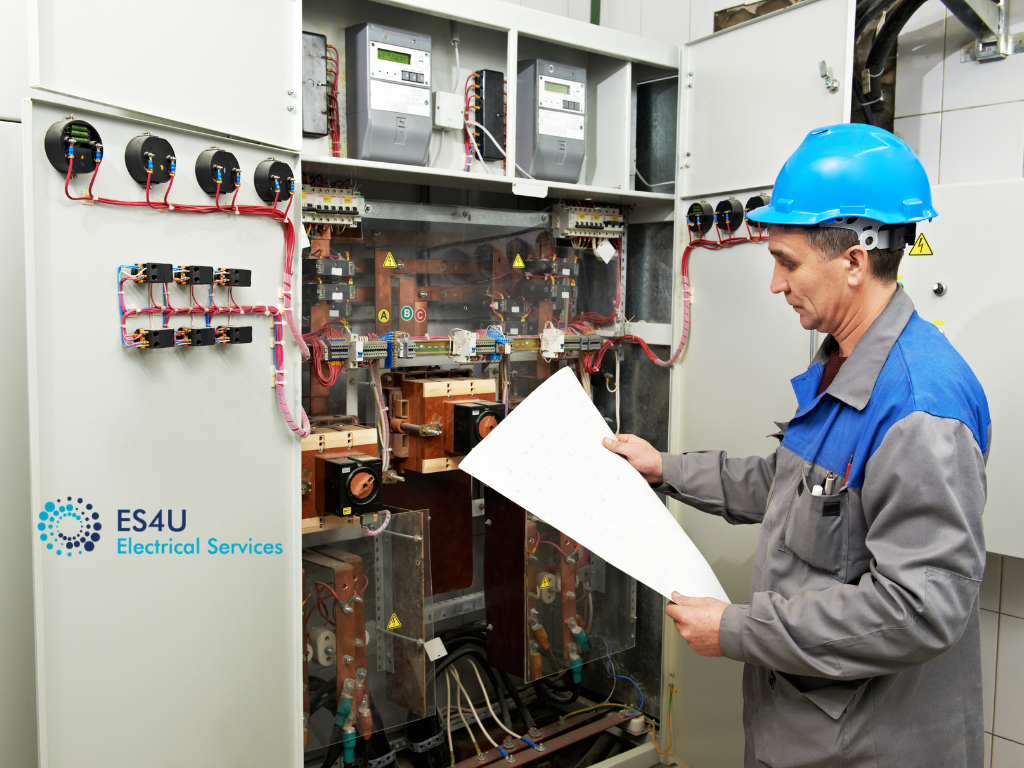
The best time to contact an electrical contractor is early. Early advice can help shape the project, avoid unnecessary changes, and identify risks before work begins.
This is especially important for fit-outs, upgrades, shutdowns, and larger commercial projects.
Speak to an electrician early
Contact a commercial and industrial electrician when planning a new fit-out, switchboard upgrade, lighting upgrade, machinery connection, safety system, or scheduled maintenance.
You should also seek advice if your site has repeated faults, overloaded circuits, outdated electrical systems, poor lighting, or unclear electrical documentation.
If work needs to happen outside business hours, discuss this early. Shutdown maintenance requires planning, access coordination, and clear communication.
When ES4U may be useful
ES4U may be useful for businesses comparing commercial electrical solutions, fit-out support, shutdown planning, and electrical maintenance.
For example, a builder may need electrical support for a new commercial fit-out. A facility manager may need planned maintenance across a working site. A business owner may need advice before upgrading lighting, power, or switchboards.
In these situations, it helps to speak with a team that can understand the site, explain the options, and provide practical next steps. As the name electrical for you suggests, the right provider should focus on what the site actually needs, not a one-size-fits-all solution.
A commercial electrical project is easier to manage when the scope is clear, the contractor is qualified, and the work is planned around real business needs.