
A factory, warehouse, or workshop usually needs more than basic power and lighting. These spaces often run machinery, tools, production equipment, compressors, pumps, charging stations, ventilation systems, security systems, and large lighting networks.
That is why planning matters before the work begins. A well-planned industrial electrical setup helps the site run safely, supports daily operations, and reduces the chance of power issues after the fitout is complete.
An industrial fitout electrician should look at how the business uses the space. For example, a warehouse may need strong lighting over racking and loading zones. A workshop may need dedicated circuits for welders, hoists, benches, and compressors. A production area may need machinery connections, isolation points, and clear access for maintenance.
The aim is not just to install power. The aim is to make sure the electrical system supports the way the site works every day.
What an industrial fitout electrician should assess first
Before quoting or starting work, the electrician should assess the site properly. This helps avoid missed items, unsafe layouts, and costly changes later.
Key areas to review include:
- Current switchboard capacity
- Equipment power requirements
- Three-phase power needs
- Cable routes and access points
- Lighting levels and work zones
- Emergency and exit lighting needs
- Machinery locations
- Staff movement and vehicle movement
- Future expansion plans
- Maintenance access
A qualified electrician may also need to check whether the existing electrical supply can handle new equipment. Any claim about site capacity should be confirmed through an on-site assessment and relevant testing. This early review gives the project a clear direction. It also helps business owners compare quotes more fairly, because each supplier is working from the same site needs.
Planning Electrical Layout Around Daily Operations
Matching power points and circuits to work areas
Power should be placed where it is needed most. This sounds simple, but poor placement can create real problems on an industrial site.
If power points are too far from work areas, staff may rely on extension leads. If machinery does not have the right circuit, it may trip power or fail to operate properly. If switchboards are blocked by stock or equipment, maintenance becomes harder and less safe.
A practical layout should consider workstations, machinery, benches, loading bays, storage zones, offices, staff rooms, roller doors, security systems, and cleaning areas.
For example, a workshop may need power near benches, tool stations, compressors, and hoists. A warehouse may need lighting and power around loading areas, racking aisles, dispatch zones, and charging points. A factory may need dedicated machinery circuits and safe isolation points.
The layout should reduce clutter, improve access, and support safe daily use.
Why workflow matters in an industrial fit-out
An industrial fit-out should support the way people, equipment, and materials move through the site.
This means the electrician should understand the workflow before finalising the electrical layout. Where do staff enter the space? Where does stock move? Where are the high-use machines? Which areas need stronger lighting? Which equipment needs to stay accessible for servicing?
These questions help shape a better electrical plan.
Good planning can also reduce future disruption. If the electrical system is designed around the real workflow, the site is less likely to need early changes after opening.
For growing businesses, it can also be useful to allow for future power needs where practical. This may include extra switchboard capacity, planned cable pathways, spare circuits, or flexible lighting zones.
The goal is to create a system that works now and can support reasonable future changes.
Switchboards, Three-Phase Power, and Equipment Connections

When a switchboard upgrade may be needed
The switchboard is one of the most important parts of an industrial electrical system. It controls how power is distributed across the site.
A switchboard upgrade may be needed if the existing board is old, overloaded, poorly labelled, frequently tripping, or unable to support new machinery. It may also be required when a business adds extra circuits, expands production, upgrades lighting, installs larger equipment, or changes the use of the space.
Common warning signs include flickering lights, regular circuit trips, warm switchboard areas, limited spare capacity, outdated components, or a lack of clear labelling.
A switchboard should also be easy to access for maintenance and emergency response. If the board is blocked, poorly located, or difficult to understand, it can create practical and safety issues.
Any decision about upgrading a switchboard should be based on a qualified assessment. The electrician should explain what needs to change, why it matters, and how the work will affect business operations.
Connecting machinery safely and correctly
Industrial machinery often has specific electrical requirements. This may include three-phase power, dedicated circuits, control wiring, isolation switches, safety systems, or manufacturer-specific installation instructions.
Machinery connections should not be treated as a basic plug-in job. Incorrect connections can affect equipment performance, safety, warranty conditions, and production reliability.
A qualified industrial electrician sydney provider should review the equipment requirements before installation. This may include checking load demand, cable size, isolation points, control panels, and safe access for servicing.
Examples of equipment that may need careful electrical planning include:
- Compressors
- Welders
- Pumps
- Conveyor systems
- CNC machines
- Hoists
- Production equipment
- Refrigeration systems
- Packaging machinery
- Large ventilation systems
If machinery suppliers provide electrical specifications, share them with the electrician early. This helps avoid delays when the equipment arrives on site.
Choosing the Right Electrical Service for Your Site
Fitout, upgrade, repair, or maintenance?
Not every industrial site needs the same service. The right choice depends on your current setup, equipment, safety needs, and future plans.
A full industrial fit-out may be suitable when you are moving into a new factory, setting up a warehouse, opening a workshop, or changing how the site will be used.
An upgrade may be better if the site already operates but needs extra circuits, stronger lighting, a switchboard upgrade, machinery connections, or improved cable management.
Repairs may be needed if there are faults, tripping circuits, damaged outlets, unreliable equipment power, or lighting failures.
Industrial electrical maintenance may be the best option when the site is already running and needs regular checks, testing, fault prevention, and planned servicing.
Choosing the right service helps avoid overpaying for work you do not need. It also helps prevent under-scoping a job that needs a more complete solution.
When to choose industrial electrical solutions instead of basic electrical work
Basic electrical work may be enough for small repairs or simple installations. However, industrial sites often need broader planning.
Industrial electrical solutions are more suitable when the site includes machinery, production lines, three-phase power, large switchboards, loading areas, heavy equipment, automation, or strict downtime requirements.
This is where it may be helpful to speak with ES4U, especially if you are comparing whether your site needs a full fitout, targeted upgrade, equipment connection, or ongoing maintenance plan.
A good provider should not push one option straight away. They should inspect the site, understand your operations, explain the risks, and recommend a practical path forward.
Some people may search for electrical for u when looking for this type of service. What matters most is choosing a team that can clearly explain the work, provide a written scope, and match the service to your site’s real needs.
Electrical Fit-Outs for New Commercial Buildings
What should be included from the start?
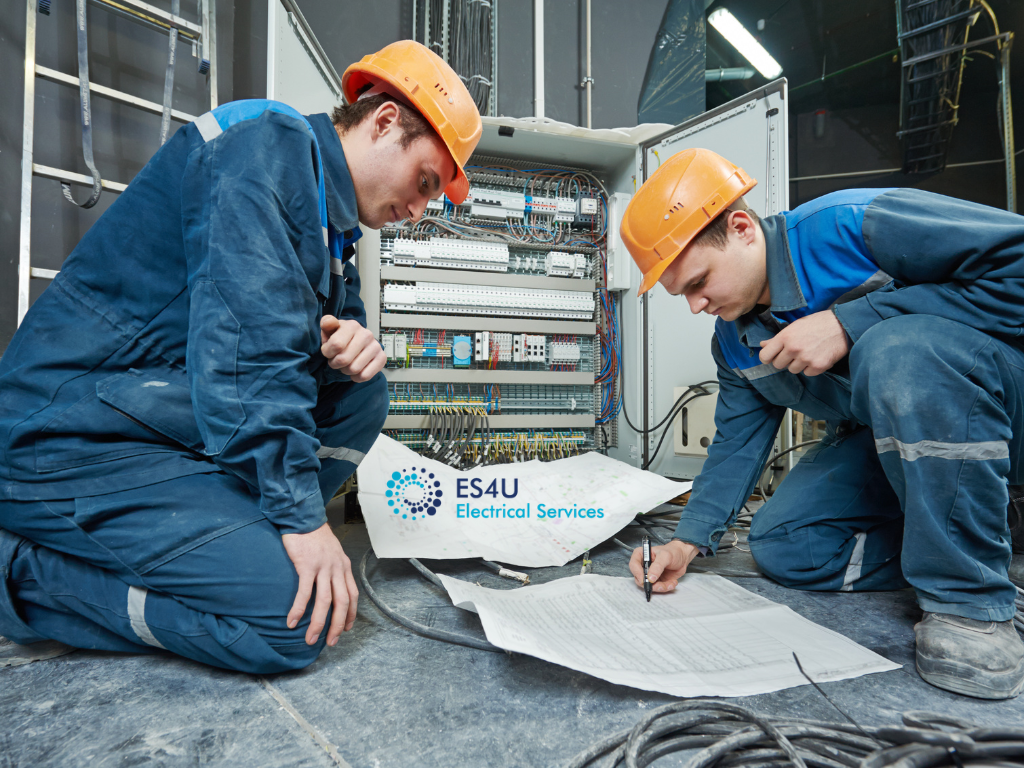
Electrical fit-outs for new commercial buildings should be planned early. Once walls, ceilings, racking, or machinery are installed, changes can become harder and more expensive.
A complete fitout plan may include general power, lighting, switchboards, data cabling, emergency lighting, exit signs, security wiring, machinery zones, equipment connections, and future expansion allowances.
For industrial or mixed-use buildings, the plan may also need to include loading dock power, roller door wiring, compressor areas, ventilation systems, staff amenities, workshop benches, and maintenance access.
The scope should clearly explain what is included. This helps tenants, builders, landlords, and project managers avoid confusion during the project.
A useful scope should cover:
- Power and lighting locations
- Switchboard work
- Data and communication points
- Emergency lighting
- Equipment connections
- Testing and documentation
- Access requirements
- Any exclusions or optional upgrades
This makes it easier to compare suppliers and avoid hidden gaps in the quote.
Working with builders, tenants, and project managers
Industrial and commercial electrical work often involves several people. The electrician may need to work with builders, landlords, tenants, HVAC contractors, machinery suppliers, fire service providers, data technicians, and project managers.
Good coordination helps avoid delays. For example, cable routes may need to be installed before walls or ceilings are closed. Machinery power may need to match supplier specifications. Lighting may need to suit racking, workstations, or production zones.
If the site is leased, the tenant should check landlord requirements before work begins. Some buildings may have rules around switchboard access, working hours, ceiling penetrations, shutdowns, and final documentation.
Clear communication is important. A reliable industrial fitout electrician sydney service should explain what information is needed, when decisions must be made, and how the work will be staged.
This helps keep the project organised from planning through to handover.
Safety, Compliance, and Long-Term Maintenance
Why testing and documentation matter
Industrial electrical work should be tested and documented properly. This is important for safety, future servicing, and compliance records.
Depending on the project, documentation may include testing results, certificates, switchboard schedules, circuit details, equipment connection notes, emergency lighting records, and maintenance recommendations.
A good handover should also explain the system in plain English. Site managers should know what was installed, what changed, where key controls are located, and what should be checked in the future.
Testing and documentation are also useful when the business plans future upgrades. They give the next electrician or maintenance team a clearer understanding of the site.
How maintenance helps reduce future downtime
Industrial electrical maintenance is important because small issues can become bigger problems if they are missed.
Regular checks can help identify worn components, loose connections, lighting faults, overloaded circuits, damaged outlets, switchboard issues, or equipment-related risks. This does not guarantee that faults will never happen, but it can help reduce avoidable disruptions.
Maintenance may include visual inspections, testing, switchboard checks, lighting reviews, safety checks, thermal imaging where appropriate, and advice on ageing components. Any specific maintenance method should be matched to the site and confirmed by a qualified electrician.
For busy sites, maintenance can also be planned around business hours. This may include after-hours work, staged servicing, or scheduled shutdowns.
The main benefit is better control. Instead of waiting for faults to interrupt operations, businesses can plan checks and repairs at more suitable times.
When to Contact an Industrial Electrical Company

Warning signs your site needs professional attention
You should contact an industrial electrical company if your site has regular circuit trips, flickering lights, warm switchboards, damaged outlets, unreliable machinery power, burning smells, overloaded power boards, or poor lighting in work areas.
You should also seek advice before adding new machinery, changing the site layout, upgrading production lines, installing new lighting, or moving into a larger factory or warehouse.
These are practical signs that your current system may need review. Ignoring them can lead to more disruption, especially if equipment fails during busy periods.
If there is any sign of electrical danger, do not attempt to repair it yourself. Stop using the affected equipment where safe to do so and arrange an inspection with a qualified electrician.
What to prepare before contacting a provider
Before contacting an industrial electrician, gather the details that will help them understand the job.
Useful information includes:
- Site address and building type
- Current electrical issues
- Equipment list
- Machinery power requirements
- Operating hours
- Access restrictions
- Site plans or layout drawings
- Photos of visible issues, if safe to take
- Future expansion plans
- Preferred project timing
If you are comparing providers, ask for a site review and a written scope. This helps you understand whether you need a repair, upgrade, full industrial fitout electrician service, or ongoing maintenance plan.
The next step is simple. Book an inspection, explain how your site operates, and ask for practical advice based on your equipment, layout, safety needs, and future plans.