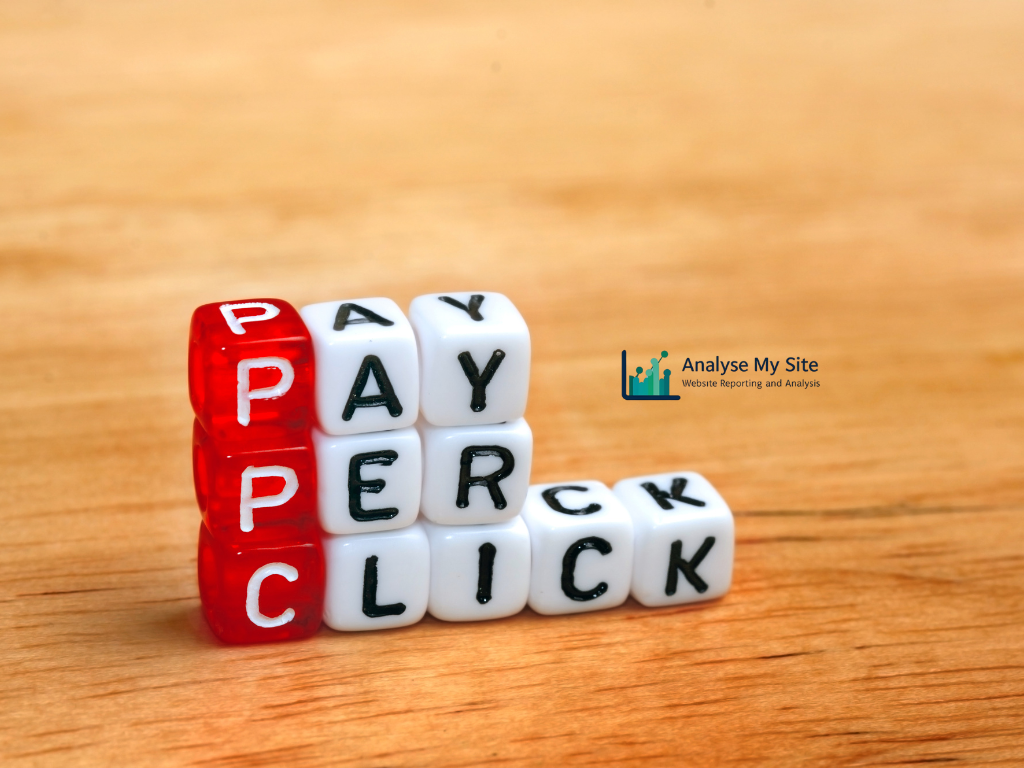
Pay Per Click Advertising is a form of online advertising where businesses only pay when someone clicks on their ad. Instead of paying for exposure alone, payment is tied directly to user action. These ads usually appear at the top of search engine results or across websites and platforms where people browse daily.
The biggest advantage of Pay Per Click Advertising is speed. Once a campaign is set up, ads can start appearing almost immediately. This makes it ideal for businesses that want quick visibility. Whether launching a new service or promoting a limited offer, Pay Per Click Advertising helps brands appear in front of the right audience at the right time.
Another important feature is relevance. Ads are shown based on what users search for or engage with. This means businesses reach people who are already interested. That focus on intent is what makes Pay Per Click Advertising so effective.
Why Businesses Use It Today
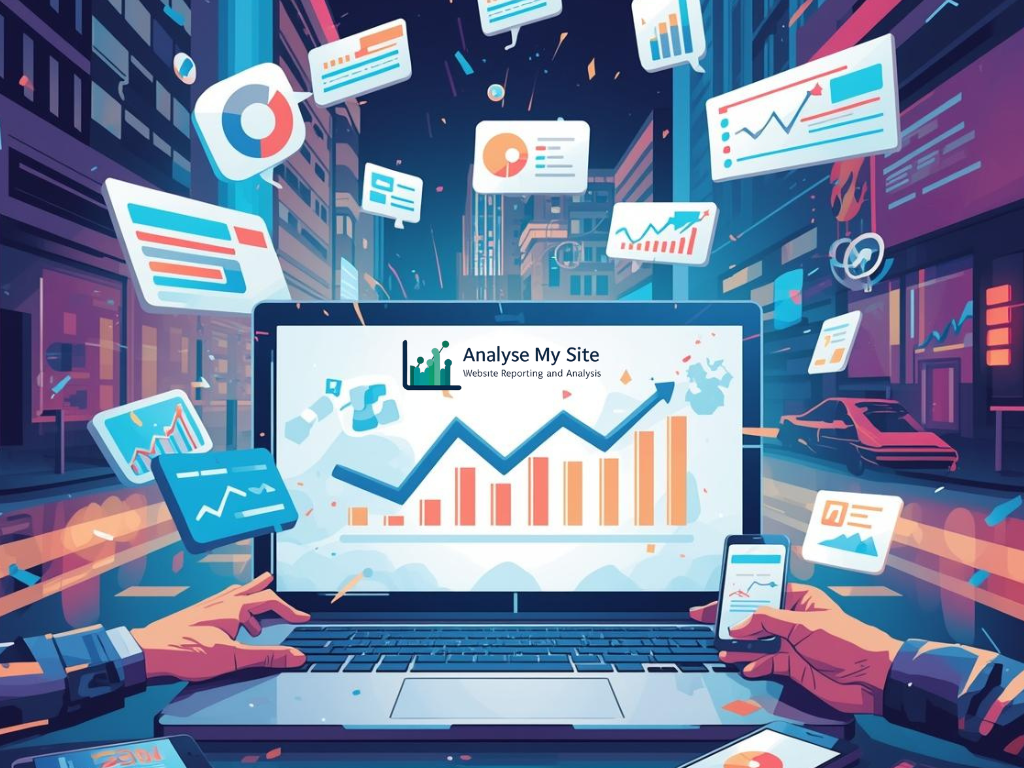
Modern businesses need clear results. Pay Per Click Advertising provides measurable data. You can see clicks, costs, and outcomes in real time. This allows businesses to make informed decisions quickly.
It also offers flexibility. Budgets can be adjusted daily. Campaigns can be paused or scaled up. This level of control makes Pay Per Click Advertising suitable for businesses of all sizes. It fits naturally into a wider Digital Marketing strategy where performance and accountability matter.
How Pay Per Click Advertising Works Step by Step
What Happens When Someone Clicks an Ad?
The process begins with keywords. Businesses select search terms related to their products or services. When users search those terms, ads compete to appear. Placement depends on relevance, quality, and bid amount.
If a user clicks an ad, they are taken to a website or landing page. That click triggers a cost. The advertiser is charged only for that interaction. This keeps the system fair and performance driven.
Ads are not ranked by budget alone. Relevance and user experience also matter. Well-written ads that match user intent can perform better without higher costs.
Who Pays and When Does Payment Happen?
With Pay Per Click Advertising, businesses pay only when someone clicks. There is no charge just for being seen. This protects budgets and reduces waste.
Advertisers can set daily limits. Once the limit is reached, ads stop showing. This makes spending predictable. It also allows businesses to test campaigns safely and optimise over time.
This structure makes Pay Per Click Advertising transparent. You always know what you are paying for.
How Pay Per Click Advertising Fits into Digital Marketing
Supporting Broader Marketing Goals
Pay Per Click Advertising is an important part of Digital Marketing because it delivers immediate traffic. While other strategies take time to build, paid ads fill the gap.
It supports brand awareness, lead generation, and sales. Businesses can use it to test offers, validate messaging, and gather data quickly. These insights then improve wider Digital Marketing efforts.
Paid ads also help during competitive periods. When organic reach is limited, Pay Per Click Advertising ensures visibility.
Working Alongside Other Channels
Pay Per Click Advertising works best when aligned with other channels. Content, email campaigns, and website optimisation all benefit from paid traffic.
When messaging is consistent across channels, trust increases. Users recognise brands more easily. Over time, this leads to stronger engagement and better results.
Instead of replacing other efforts, Pay Per Click Advertising strengthens the entire Digital Marketing ecosystem.
Pay Per Click Advertising vs Search Engine Optimization
What Is the Difference Between Paid and Organic Traffic?
Pay Per Click Advertising delivers paid traffic. Ads appear quickly at the top of search results. This is ideal for short-term goals.
Search Engine Optimization focuses on organic traffic. It improves rankings through content and technical improvements. Results take longer but last longer.
Both attract users with intent. The difference lies in timing and investment style.
Can They Work Together?
Yes, they work best together. Pay Per Click Advertising drives immediate traffic. Search Engine Optimization builds long-term authority.
Using both allows businesses to appear in multiple positions on search results pages. This increases visibility and trust. Together, they form a balanced Digital Marketing strategy.
Using Pay Per Click Advertising with Social Media Marketing

Reaching the Right Audience on Social Platforms
Pay Per Click Advertising also plays a major role in Social Media Marketing. Ads appear where people scroll, watch videos, and interact with content. This helps businesses connect with audiences in a more natural and engaging way.
Social platforms allow advanced targeting. Businesses can reach users based on interests, behaviour, and demographics. This makes ads feel more relevant and less disruptive. Instead of waiting for users to search, brands can appear directly in front of potential customers.
Businesses that want to improve campaign performance often rely on insights from platforms like Analyse My Site, a report and analytic website that helps businesses improve their online performance with fast, accurate website speed analysis and optimization insights. By reviewing traffic behaviour and performance data, businesses can refine their Pay Per Click Advertising strategy across Social Media Marketing channels.
Expanding Brand Visibility
Even when users do not click immediately, Social Media Marketing ads help build recognition. Repeated exposure strengthens brand recall. Over time, this increases trust and familiarity.
When combined with search-based Pay Per Click Advertising, businesses cover multiple stages of the customer journey. Awareness, engagement, and conversion work together. Analyse My Site also supports this process by offering services such as Pay Per Click Advertising, Search Engine Optimization, Web Solutions, IT Consulting, Cloud Solutions, and Backup Solutions. These services help businesses align technical performance with marketing goals.
By combining strategic advertising with accurate performance insights, businesses can improve both visibility and results across platforms
How Pay Per Click Advertising Supports Shopify and BigCommerce Stores
Driving Traffic to Online Stores
For ecommerce businesses, traffic is essential. Pay Per Click Advertising helps Shopify and BigCommerce stores attract ready-to-buy customers.
Ads can promote specific products, sales, or collections. This brings targeted visitors directly to product pages. Because searches often show buying intent, traffic quality is high.
This makes Pay Per Click Advertising a powerful growth tool for online stores.
Turning Clicks into Customers
Clicks alone do not guarantee sales. Shopify and BigCommerce stores need clear product pages and easy checkout.
Pay Per Click Advertising works best when landing pages are optimised. Clear images, simple messaging, and fast loading improve conversion rates. Over time, testing helps refine results.
Why Businesses Choose rotapix for Pay Per Click Advertising

Expert Strategy and Campaign Management
Managing Pay Per Click Advertising requires ongoing attention. Businesses choose rotapix because campaigns are managed with care and clarity.
rotapix focuses on keyword strategy, ad quality, and continuous optimisation. Performance is reviewed regularly. Adjustments are made based on real data, not guesswork.
This approach helps reduce wasted spend and improve outcomes.
Part of a Complete Digital Marketing Approach
rotapix integrates Pay Per Click Advertising with Search Engine Optimization, Social Media Marketing, and wider Digital Marketing strategies.
This creates consistency across channels. Messaging aligns. Performance improves. Businesses benefit from a unified approach rather than disconnected tactics.
As a result, growth becomes more predictable and sustainable.