
High care is a higher level of support designed for older people who need help throughout the day and night. It usually includes assistance with personal care, mobility, medication, and daily routines. This type of care is provided when someone can no longer manage safely on their own.
High care focuses on comfort, safety, and dignity. Trained staff are available to help with daily tasks and health needs. This support helps residents feel secure while still respecting their independence where possible.
When does high care become the right option?
High care becomes necessary when health or mobility needs increase. This may happen after a fall, illness, or ongoing medical condition. It is often chosen when basic support is no longer enough to keep someone safe and comfortable.
When daily tasks become difficult or risky, high care offers peace of mind. It ensures consistent support and supervision. Most importantly, it helps people maintain quality of life as their needs change.
Key signs that low care may no longer be enough
What changes suggest low care is no longer suitable?
low care is often helpful when a person only needs basic support. However, needs can change over time. You may notice that daily tasks like dressing, bathing, or eating become harder. There may also be more reliance on staff or family for simple activities.
Health changes can also be a sign. Frequent medical needs, trouble managing medication, or increased fatigue can mean low care is no longer meeting everyday needs. When support feels stretched or inconsistent, it may be time to consider a higher level of care.
How safety concerns signal the need for more support
Safety is one of the biggest reasons families look beyond low care. Falls, confusion, or trouble moving around safely can increase risks quickly. Even small accidents can lead to serious health issues.
When supervision is needed more often, extra support becomes important. A higher level of care helps reduce risks and provides peace of mind. It ensures someone is always available to assist when needed, both day and night.
How health and mobility changes affect care needs in aged care nursing homes

How mobility loss impacts daily living
As people age, mobility often becomes limited. Walking, standing, or moving safely may become difficult without help. Simple tasks like getting out of bed or using the bathroom can turn into daily challenges. These changes increase the risk of falls and injury.
In aged care nursing homes, staff are trained to support residents with mobility issues. Assistance is provided when needed, helping residents move safely and with confidence. This support reduces stress and allows daily routines to continue in a safe way.
Why ongoing health issues require closer supervision
Ongoing health conditions often need regular attention. This may include managing pain, monitoring vital signs, or supporting recovery after illness. When health needs increase, constant supervision becomes important.
Aged care nursing homes are set up to provide this level of care. Trained staff are available throughout the day and night. This ensures health changes are noticed early and managed properly, helping residents stay as comfortable as possible.
Emotional and cognitive signs supported in modern nursing homes
How memory changes can affect independence
Memory changes can affect how a person manages daily life. Forgetting routines, becoming confused, or feeling disoriented can reduce independence. These changes may also increase safety risks.
Modern nursing homes support residents with memory changes by providing structure and routine. Familiar environments and gentle guidance help residents feel more secure. This support allows them to maintain dignity while receiving the care they need.
Why emotional wellbeing matters in care decisions
Emotional wellbeing is just as important as physical health. Feelings of anxiety, loneliness, or withdrawal can appear as care needs increase. These emotions can affect overall quality of life.
modern nursing homes focus on emotional support as part of daily care. Social interaction, reassurance, and engagement help residents feel valued and connected. This emotional support plays a key role when deciding on higher levels of care.
When families consider residential aged care sydney

Why home care may no longer be practical
Home care works well for some time. However, as needs increase, it may no longer provide enough support. Family members may struggle to manage care safely at home, especially overnight.
This is when families begin to explore residential aged care sydney. Residential care offers a safe and supportive environment where help is always available. It removes the pressure from families while ensuring loved ones receive proper care.
How residential care provides consistent daily support
Residential care provides ongoing assistance with daily tasks, health needs, and supervision. Facilities such as Residential Gardens offer aged care, respite care, home care, and residential care for your loved ones. This allows families to choose the level of support that suits changing needs.
Consistent care brings peace of mind. Residents receive help when needed, and families feel reassured knowing support is always close by.
How aged care nursing home sydney assessments guide decisions
What happens during a care needs assessment?
Care needs assessments look at health, mobility, and daily living abilities. They help identify how much support a person requires. These assessments are carried out by trained professionals.
The process is designed to be supportive, not overwhelming. It helps families understand current needs and plan for the future with confidence.
How assessment results shape care planning
Assessment results guide families toward suitable aged care nursing home sydney options. They help match care levels with individual needs.
This ensures the right support is in place from the start. It also allows care plans to adapt as needs change over time.
Choosing the right level of support within nursing home care nsw
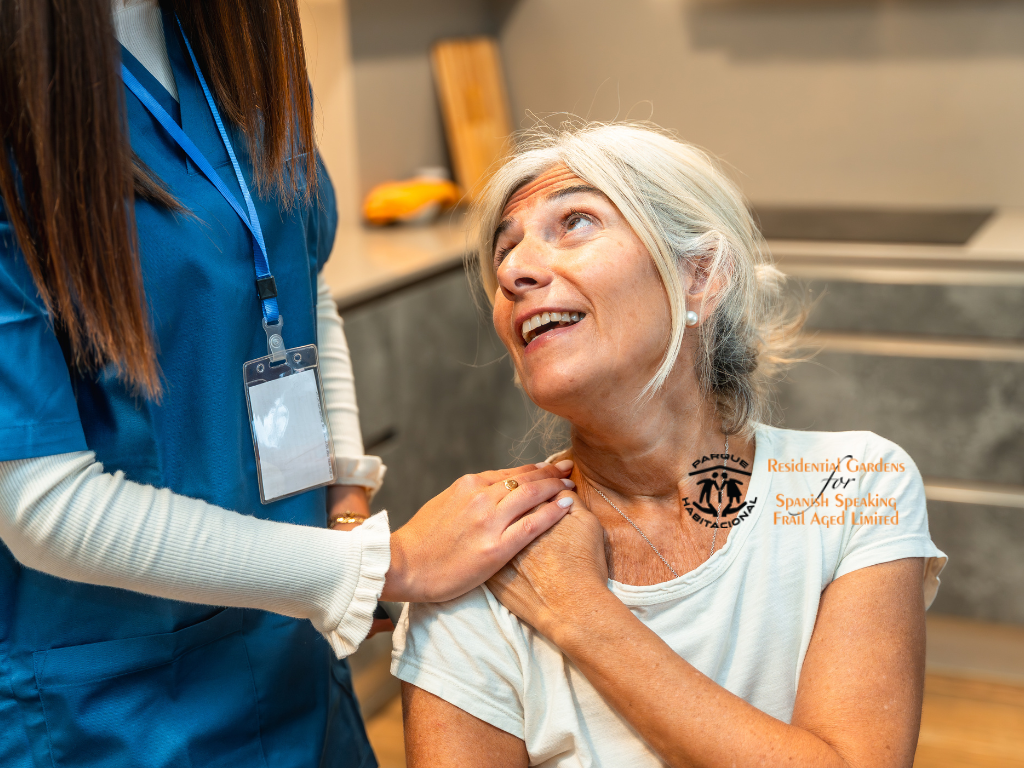
How nursing home care nsw supports higher needs
Nursing home care nsw provides structured support for people who need ongoing assistance. This includes personal care, health monitoring, and daily supervision.
Support is available around the clock. This ensures safety, comfort, and continuity of care as needs increase.
Why choosing the right aged care nursing homes matters
Choosing the right aged care nursing homes helps ensure quality of life. The right environment supports physical health, emotional wellbeing, and dignity.
When care levels match individual needs, residents feel safer and more settled. This makes the transition into higher care smoother for everyone involved.